
What Is Colored Corn Used For in Food Production?
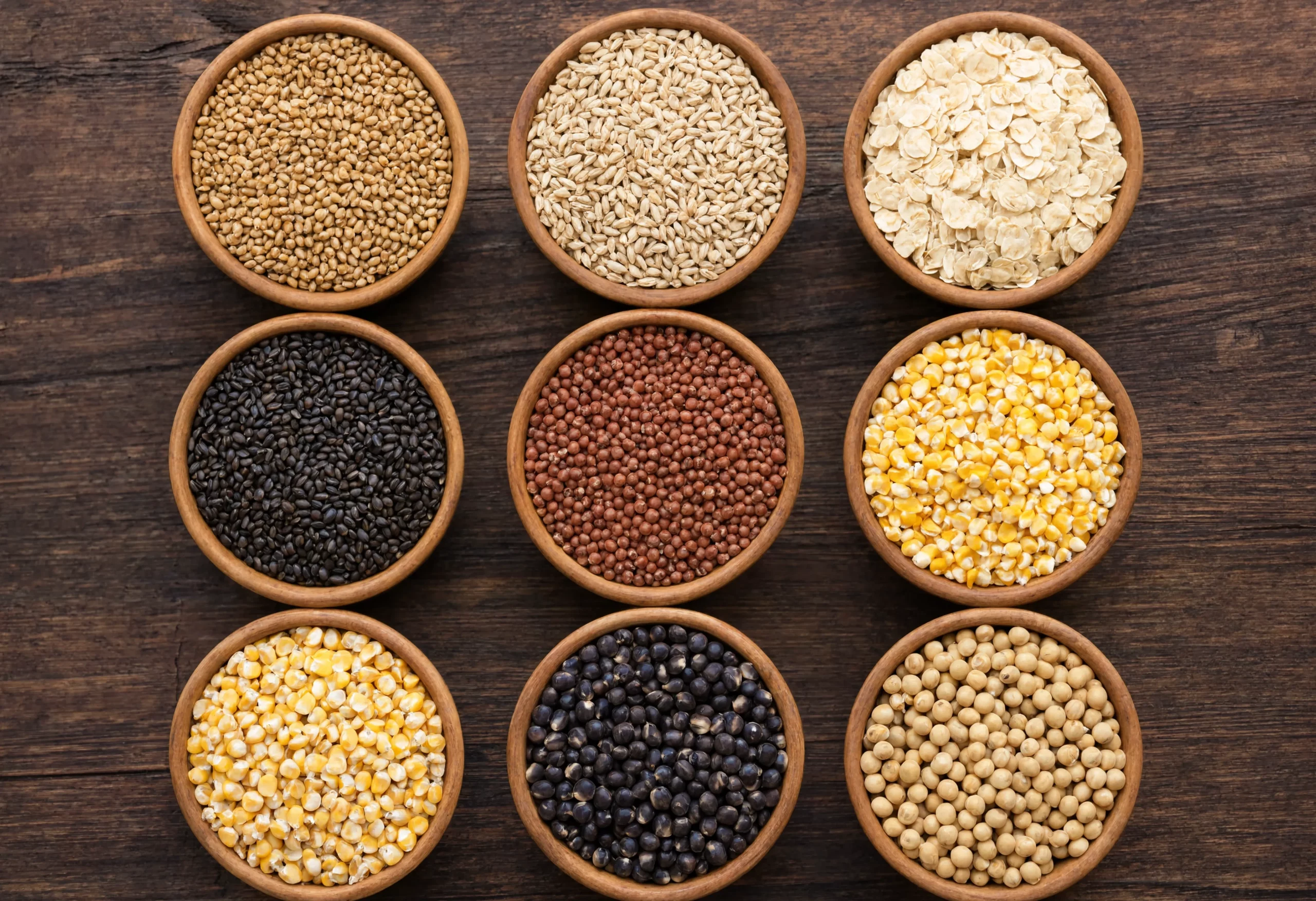
Walk through any snack aisle and the shelf tells the story: blue, purple, and red tortilla chips now sit next to the traditional golden and white bags. Food manufacturers and ingredient buyers are turning to colored corn because it creates products that look distinctive, taste different, and fit the demand for natural ingredients and culinary heritage. From artisan tortillas and craft spirits to natural color extracts, colored corn has moved well past novelty and into a dependable, high-value ingredient category.
Working with it takes more than picking a shade, though. Each variety brings its own flavor, texture, processing behavior, and supply realities. Knowing what colored corn is used for, how kernel color changes performance, and what to demand from a supplier helps buyers choose with confidence and avoid costly surprises on the production line.
Popular Uses of Colored Corn in Food and Beverage Production
Colored corn is versatile because its pigments, flavors, and consumer appeal carry across many categories. The most common applications fall into a handful of groups.
Tortilla Chips, Corn Chips, and Extruded Snacks
Blue, purple, and red corn chips are the most recognizable colored corn products on the market. Bold color helps a brand stand out on a crowded shelf and often supports premium pricing. Extruded snacks, puffs, and crackers made with colored corn give shoppers something different from standard yellow corn snacks, and multicolor chip blends let brands build sampler packs from a single ingredient family.
Tortillas, Masa, and Cornmeal
Colored corn masa makes tortillas with rich color and a more complex, often nutty flavor, which is why restaurants and artisan tortilla makers use it for tacos, enchiladas, and tostadas. Blue and other colored cornmeal also works in pancakes, muffins, cornbread, and baking mixes, adding visual interest to familiar recipes. Buyers who mill their own flour should compare the yellow, white, blue, purple, and pink options side by side before locking in a blend.
Cereals, Granola, and Baking Mixes
Colored corn flakes, clusters, and granola inclusions bring natural color to cereal blends without synthetic dyes. That clean label advantage is a major reason breakfast and baking brands are testing colored corn in new product lines.
Craft Spirits, Beer, and Traditional Beverages
Distillers and brewers use heirloom and colored corn to create whiskeys, bourbons, and beers with unique flavor profiles and a strong origin story. Traditional drinks lean on colored corn as well: purple corn is the base of chicha morada, a Peruvian beverage, and blue corn appears in atole and other traditional drinks.
Natural Colorants and Extracts
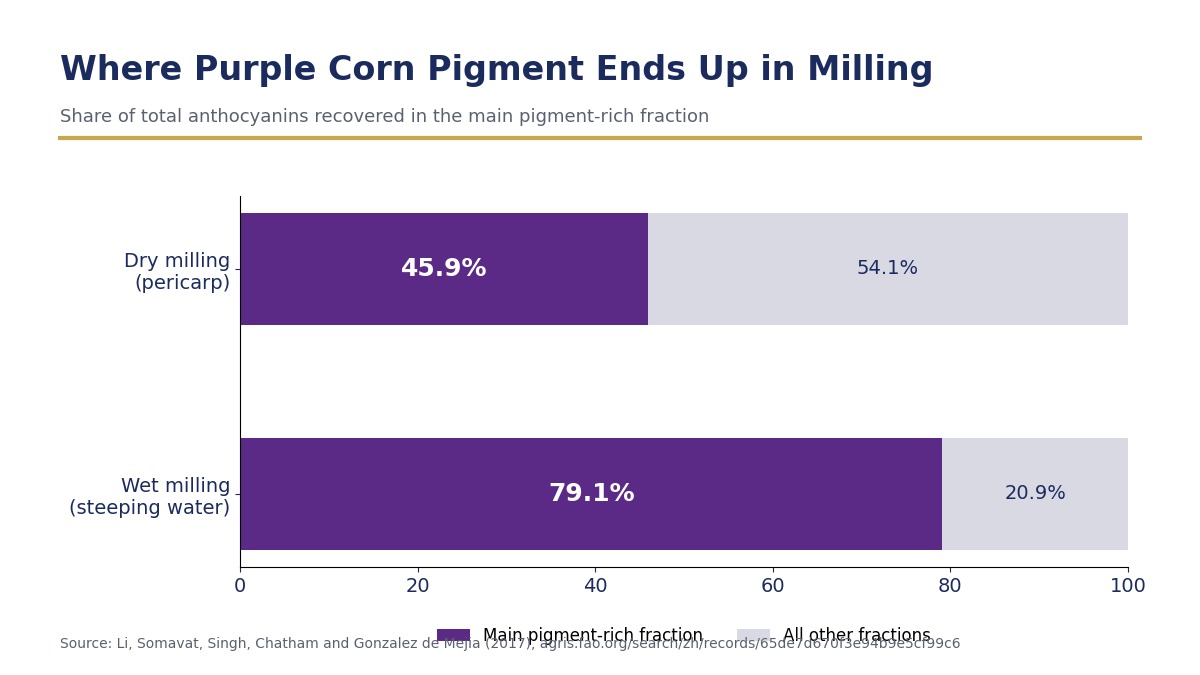
Deeply pigmented purple corn is a rich source of anthocyanins, which processors extract for use as a natural coloring agent in beverages, confections, and dairy products. In one comparison of milling methods, researchers found purple corn contained roughly ten times the anthocyanins of blue corn, which explains why purple varieties dominate extract production. That same study also showed that the pigment concentrates in specific kernel fractions, a detail that matters for anyone planning extraction.
Source: Li, Somavat, Singh, Chatham, and Gonzalez de Mejia, 2017
Culinary and Foodservice Applications
Chefs use colored corn in plated dishes, specialty breads, and seasonal menus where presentation matters. Heirloom ears and kernels also give foodservice operators a story to tell guests about tradition, farming, and craft.
Colored Corn Uses at a Glance
| Application | Best-Fit Varieties | Why It Works |
|---|---|---|
| Tortilla and corn chips | Blue, purple, red | Bold color and premium shelf appeal |
| Tortillas and masa | Blue, white, yellow | Rich color and nutty, complex flavor |
| Cornmeal and baking mixes | Blue, yellow | Visual interest in familiar recipes |
| Cereal and granola | Blue, purple, yellow | Natural color without synthetic dyes |
| Craft spirits and beer | Heirloom, red, blue | Distinct flavor and origin story |
| Natural colorants | Purple, blue | High anthocyanin concentration |
| Foodservice and artisan baking | Heirloom, pink, red | Memorable presentation and heritage appeal |
Blue, Purple, Red, White, and Yellow: Comparing Colored Corn Varieties
Buyers rarely stop at one shade. Building a product line usually means weighing several varieties against flavor, color intensity, and processing behavior.
Blue Corn
Blue corn is the most popular colored variety in food manufacturing. It offers a sweet, nutty, slightly earthy flavor and a softer kernel that grinds into a fine, delicate flour. It is a staple for chips, tortillas, cornmeal, and pancake mixes, and it is naturally rich in anthocyanins.
Purple Corn
Purple corn carries some of the highest anthocyanin levels of any corn type. It is valued for deep color in snacks and tortillas, and it is the source material for natural colorants and traditional beverages.
Red and Pink Corn
These less common varieties create eye-catching products and help artisan and premium brands set themselves apart. They are popular for multicolor blends and limited seasonal releases.
White and Yellow Corn as Neutral and Warm Bases
White corn provides a mild, clean flavor and a bright appearance, making it a standard for masa, tortillas, and white corn chips, and a neutral base in multicolor lines. Yellow corn gets its golden hue from carotenoids and delivers a fuller, slightly sweet flavor that works in chips, cornbread, cereals, polenta, and snacks.
Heirloom Colored Corn
Heirloom varieties are open-pollinated and have been passed down through generations. Many arrive in striking colors with complex flavors that appeal to chefs, craft distillers, and specialty food brands.
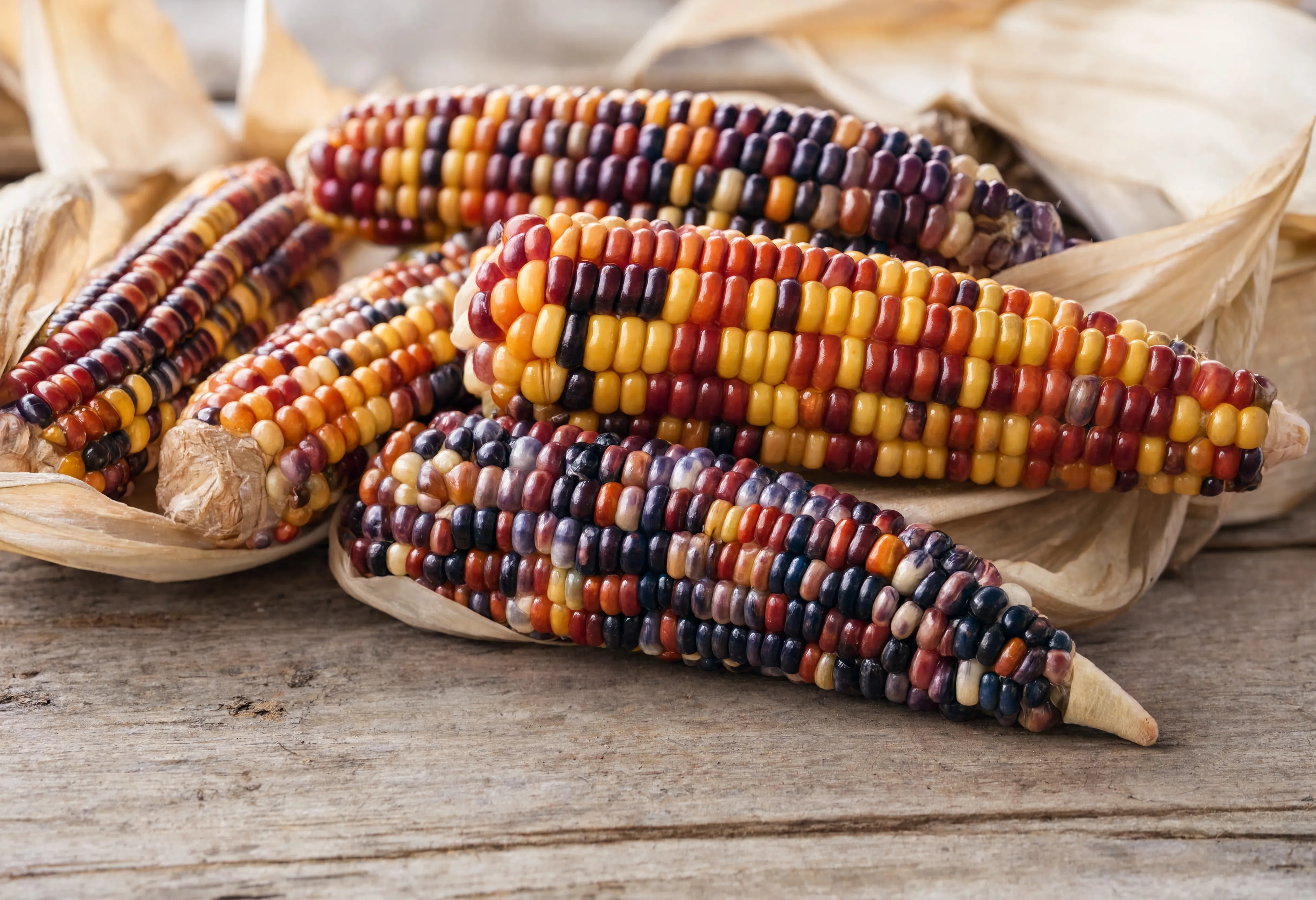
Colored Corn Variety Comparison
| Variety | Main Pigment | Flavor Profile | Common Uses |
|---|---|---|---|
| Blue | Anthocyanins | Sweet, nutty, earthy | Chips, tortillas, cornmeal, pancake mixes |
| Purple | Anthocyanins (highest levels) | Earthy, complex | Colorants, beverages, deep-color snacks |
| Red and pink | Anthocyanins | Mild to earthy | Multicolor blends, artisan products |
| White | Very little pigment | Mild, clean | Masa, tortillas, white chips |
| Yellow | Carotenoids | Full, slightly sweet | Chips, cornbread, cereal, polenta |
| Heirloom | Varies by line | Complex | Craft spirits, chefs, specialty foods |
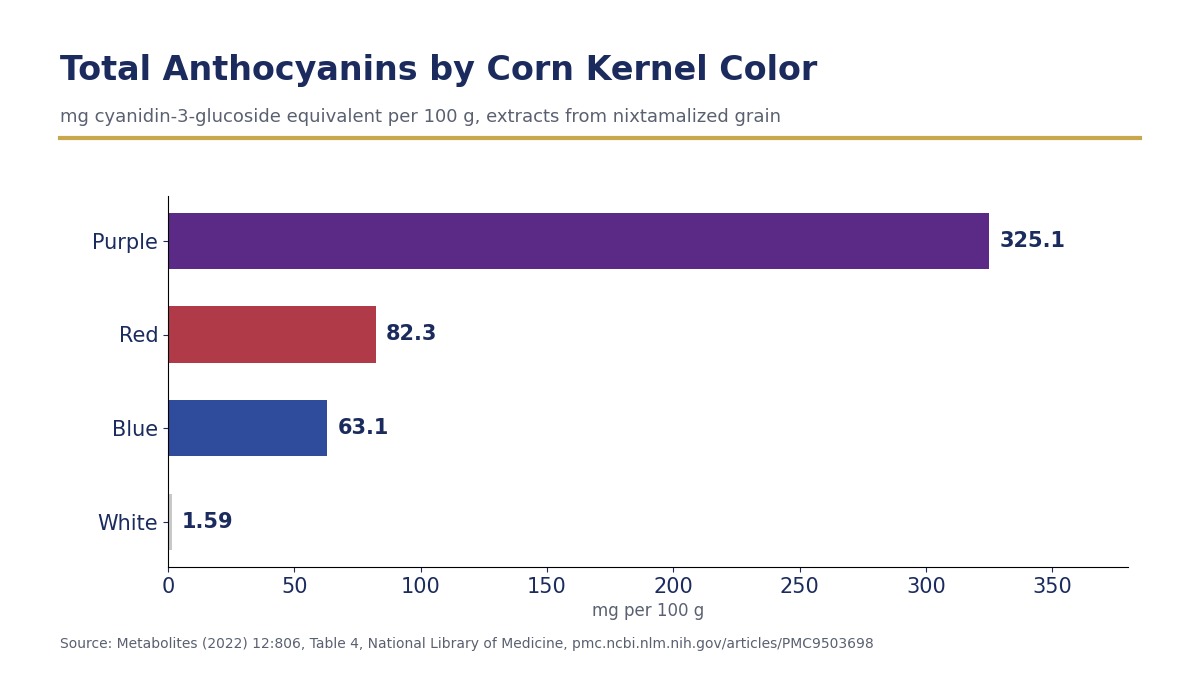
Measured pigment levels show how different these kernels really are. In one set of extracts from nixtamalized grain summarized by the National Library of Medicine, purple corn measured about 325 milligrams of total anthocyanins per 100 grams, red about 82, blue about 63, and white under 2. The full data table is worth reading for buyers who want the chemistry behind the color.
Source: Metabolites (2022) 12:806, National Library of Medicine
How Kernel Color Changes Processing and Finished Products
The pigments that give corn its color are tied to kernel chemistry, which shapes how the grain behaves in the plant and how the finished product looks and tastes.
Pigment Chemistry and pH Sensitivity
Yellow corn owes its color to carotenoids, while blue, purple, and red corn get theirs from anthocyanins. Anthocyanins shift color with acidity, so during nixtamalization, the alkaline cooking step used to make masa, blue corn can drift toward green or gray.
Practical Fixes for Color Drift
- Adjust lime levels to the lowest effective amount
- Shorten cook and steep times where texture allows
- Add a mild food-grade acid to the process when the formulation permits
- Run small test batches for every new crop year
Heat Stability in Frying, Baking, and Extrusion
High temperatures can dull or darken pigments. Testing fry temperatures, bake profiles, and extruder settings with colored corn keeps color vibrant and consistent from batch to batch. Finished chips still carry measurable pigment: a George Mason University study measured total anthocyanins in six brands of blue corn chips from 106 to 262 milligrams per kilogram, against about 4 milligrams per kilogram in yellow corn chips.
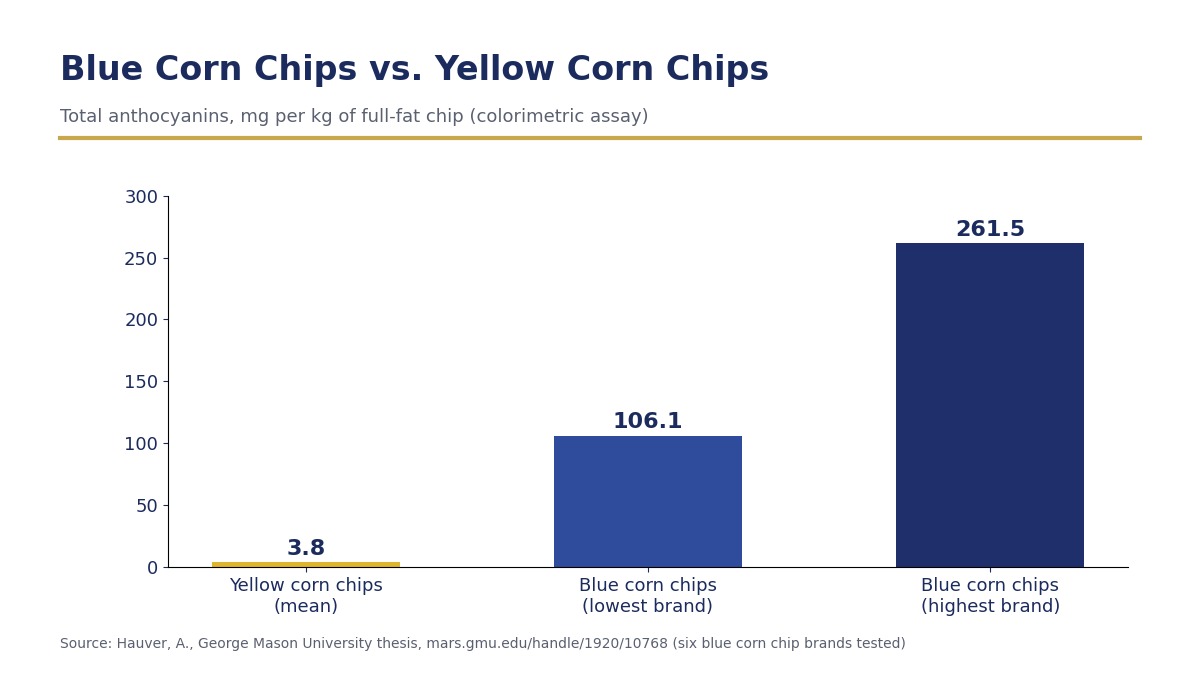
Source: Hauver, George Mason University thesis
Kernel Structure and Milling Behavior
Many blue and heirloom varieties have softer, more floury kernels than standard dent corn, which affects milling yield, particle size, water absorption, and masa texture. Wet milling trials on colored corn have also reported lower starch yields than conventional yellow dent corn, so plants should plan for different yields and settings.
Flavor and Labeling Advantages
Colored varieties often carry nutty, earthy, or slightly sweet notes that differ noticeably from conventional yellow corn, and those flavors can define a product’s identity. Natural color also supports clean label positioning, since brands can achieve vivid products without artificial dyes.
Choosing Colored Corn Based on Visual and Flavor Goals
Clear targets make selection far more efficient. Start with the look and taste you want, then work backward to the variety.
- Bold, dramatic color: choose blue or purple corn for striking chips, tortillas, and snacks
- Neutral base: select white corn when seasonings or fillings should take center stage
- Warm, golden tones: yellow corn delivers a classic look and a fuller corn flavor
- Artisan or heritage appeal: heirloom, pink, and red varieties support storytelling around origin and craft
- Nutty, earthy flavor: blue corn fits products where taste is part of the brand promise
- Natural coloring: purple corn offers concentrated pigment for extracts and colorants
Always request samples and run test batches under real production conditions. Color and flavor can vary by growing season, region, and processing method, so hands-on testing is the most reliable way to confirm a variety meets your goals.
Sourcing Colored Corn for Food Production
Colored corn is grown on far fewer acres than commodity corn, so success depends on planning and a dependable supplier relationship. Manufacturers who treat sourcing as a strategic priority are better placed to protect quality and avoid supply gaps.
Identity Preservation and Purity
Corn pollen travels easily, so colored fields must be isolated to prevent unwanted color mixing, and the grain must be harvested, stored, and shipped apart from other corn. Ask suppliers to document their segregated growing, storage, and shipping programs so color, flavor, and purity arrive intact.
Non-GMO and Organic Certification
Many brands marketing colored corn products position them as non-GMO, organic, or both, and every claim needs paperwork behind it. Review the supplier’s non-GMO verified grain programs and confirm valid certificates, and look at organic-certified colored grain when organic positioning matters to your customers.
Food-Grade Handling and Lot Testing
Grain should be cleaned and stored in facilities that run food safety programs and guard against contamination. Look for lot-by-lot testing of moisture, foreign material, mycotoxins, and GMO presence, along with a certificate of analysis for each shipment. A dependable food-grade ingredient supply program makes these records routine instead of a special request.
Volume, Contracts, and Packaging
Because colored corn supply is limited, discuss annual volume early and consider contracts that secure acreage before planting season. Confirm the supplier can ship totes, bags, and bulk loads on a schedule that matches your production plan.
What Buyers Should Expect From Colored Corn Supply
| Consideration | What to Expect | How to Manage It |
|---|---|---|
| Yield | Many colored and heirloom varieties produce fewer bushels per acre than commodity hybrids | Plan for a price premium and secure volume early |
| Crop-year variation | Weather and soil change pigment intensity | Set clear specifications and test each new crop |
| Cross-pollination | Pollen can mix colors in neighboring fields | Require isolation practices and documentation |
| Storage | Moisture and heat can damage pigment quality | Confirm cool, dry storage and moisture control |
| Processing | Softer kernels and pH-sensitive pigments need tuning | Run pilot batches before full production |
| Supplier experience | Colored corn demands specialized knowledge | Work with a grower who can advise on variety selection |
Detailed questions about growing practices, testing protocols, and traceability help identify a supplier who can meet both quality standards and production schedules. When you are ready to compare options, request samples and a quote for your target variety and volume.
Colored Corn Frequently Asked Questions
What gives colored corn its color?
Blue, purple, and red corn get their color from anthocyanins, the same family of natural pigments found in blueberries and red cabbage. Yellow corn gets its golden tone from carotenoids, while white corn contains very little of either pigment, which is why it tastes and looks neutral.
Does colored corn taste different from regular corn?
Yes. Blue corn is often described as sweet and nutty, purple and heirloom varieties can taste earthy and complex, white corn is mild and clean, and yellow corn has a fuller, slightly sweet flavor. These differences are strong enough to define a finished product.
Why do blue corn tortillas sometimes turn green or gray?
Anthocyanins are sensitive to acidity and alkalinity. The lime solution used in nixtamalization raises pH, which can push blue pigments toward green or gray. Adjusting lime levels, cook time, and steep time helps hold a true blue color.
Is colored corn genetically modified?
Not necessarily. Colored corn gets its hues from traditional breeding and natural genetics, and many lots are grown as non-GMO or certified organic. Buyers should still request certificates and testing records for every lot.
Can colored corn replace artificial food dyes?
In many applications it can. Blue and purple corn deliver natural color directly in chips, tortillas, and cereals, and purple corn is processed into anthocyanin extracts used in beverages and confections. Final color depends on pH, heat, and the finished food, so bench testing is essential.
Is colored corn more expensive than yellow or white corn?
Usually, yes. It is grown on far fewer acres, often yields fewer bushels per acre, and needs segregated handling from field to truck. Many brands recover the premium through shelf appeal and premium retail pricing.
Source Colored Corn With Confidence From Clark Specialty Grains
Vibrant, flavorful products start with high-quality grain. Clark Specialty Grains is a family-owned non-GMO and organic corn and grain supplier with more than 18 years of experience serving the food industry nationwide, and our commitment to quality and sustainability has earned a reputation as a trusted source of food-grade corn. Our colored corn selection includes:
- Yellow corn
- White corn
- Blue corn
- Purple corn
- Pink corn
Whether you need the finest blue corn or another specialty grain, we supply products that meet high standards of quality and safety. Talk with our team about samples, volume, and the right colored corn for your next product.