
Organic Grain Supplier for Certified Food-Grade and Specialty Grain Programs
Clark Specialty Grains is a dedicated organic grain supplier serving food manufacturers, ingredient processors, specialty millers, bulk distributors, and branded food producers who require USDA-certified organic grain with verified sourcing, documented quality, and logistics that scale to production demands. Our organic grain programs cover corn, wheat, oats, barley, rye, soybeans, and specialty grain species, with non-GMO verification, identity preservation, and food-grade handling standards applied across every program we manage. From a single truckload of certified organic yellow corn to a multi-species, multi-season contracted program with full audit documentation, we structure supply solutions around your requirements rather than asking your operation to fit a standard template.
Every grain we ship leaves our facility with a current USDA organic certificate, a certificate of analysis, lot traceability records, and any program-specific verification documentation your quality team requires. If your operation demands more than a supplier who ships grain and sends an invoice, contact our team to discuss what a properly structured organic grain supply program looks like.
Our Certified Organic Grain Portfolio
Corn, Wheat, Oats, Barley, Rye, Soybeans, and Specialty Grains
Our grain portfolio is anchored by organic corn, which we supply in yellow, white, blue, and pink varieties with the most extensive identity preservation, testing, and documentation infrastructure of any grain in our network. Beyond corn, we source additional organic grain species through our grower relationships depending on crop year availability and buyer program requirements.
Organic Grain Species We Source and Supply
- Organic corn: Yellow, white, blue, and pink varieties for food manufacturing, milling, snack production, tortilla processing, brewing, and distilling. Available with USDA organic certification, non-GMO PCR verification, identity preservation, and food-grade documentation. See our full wholesale corn grain supply page for variety-specific specifications.
- Organic wheat: Hard red and soft varieties for flour milling, baking, and further processing with protein, moisture, and test weight specifications available
- Organic oats: For cereal, baking, granola, and ingredient production with purity and hull-content specifications
- Organic barley: For malting, brewing, fermentation, and food ingredient applications
- Organic rye and triticale: For specialty milling, baking, and fermentation applications
- Organic soybeans: For food, ingredient, and specialty processing applications
- Specialty and heritage grains: Available through identity preserved programs based on current crop year supply and contracted acreage capacity
Availability varies by species and crop year. Organic corn is our most consistently available and deeply certified offering. For other grain species, we recommend initiating the sourcing conversation early to confirm availability, certification scope, and lead time for your program requirements.
What Sets Clark Specialty Grains Apart as an Organic Grain Supplier
Sourcing Depth, Documentation Standards, and Accountability at Every Stage
Food manufacturers who have worked through a supply chain failure with a previous organic grain vendor understand quickly that price is rarely the most important variable in supplier selection. The variables that matter most are reliability of supply, consistency of quality, completeness of documentation, and responsiveness when conditions change. Our programs are built around all four because we understand what happens when any one of them falls short in the middle of a production cycle.
At Clark Specialty Grains, we manage grower relationships directly rather than brokering through intermediaries. That direct connection gives us earlier visibility into crop conditions, better control over handling practices, and more reliable access to certification documentation than programs that depend on third-party sourcing networks. It also means we can give buyers an accurate picture of availability and quality before a commitment is made rather than after an order is placed.
What Buyers Gain from Our Organic Grain Supply Programs
- Direct grower relationships with documented organic production history and verified certification status
- Multi-stage precision cleaning including color sorting, gravity separation, and metal detection on every lot
- CO2 grain treatment with a no-live-bugs guarantee compliant with organic handling requirements
- Segregated storage and handling for all certified programs with documented equipment clearance between lots
- Pre-shipment documentation prepared before loading, including COA, organic certificate, and any program-specific records
- Lot-level traceability maintained from field of origin through final delivery
- SQF-compatible, Kosher-compatible, and Gluten-Free-compatible handling available upon request
- Contracted supply programs that align grower production with buyer purchasing forecasts across crop years
USDA Organic Certification and Grain Traceability Standards
What Organic Certification Requires and How We Maintain Compliance Across Every Program
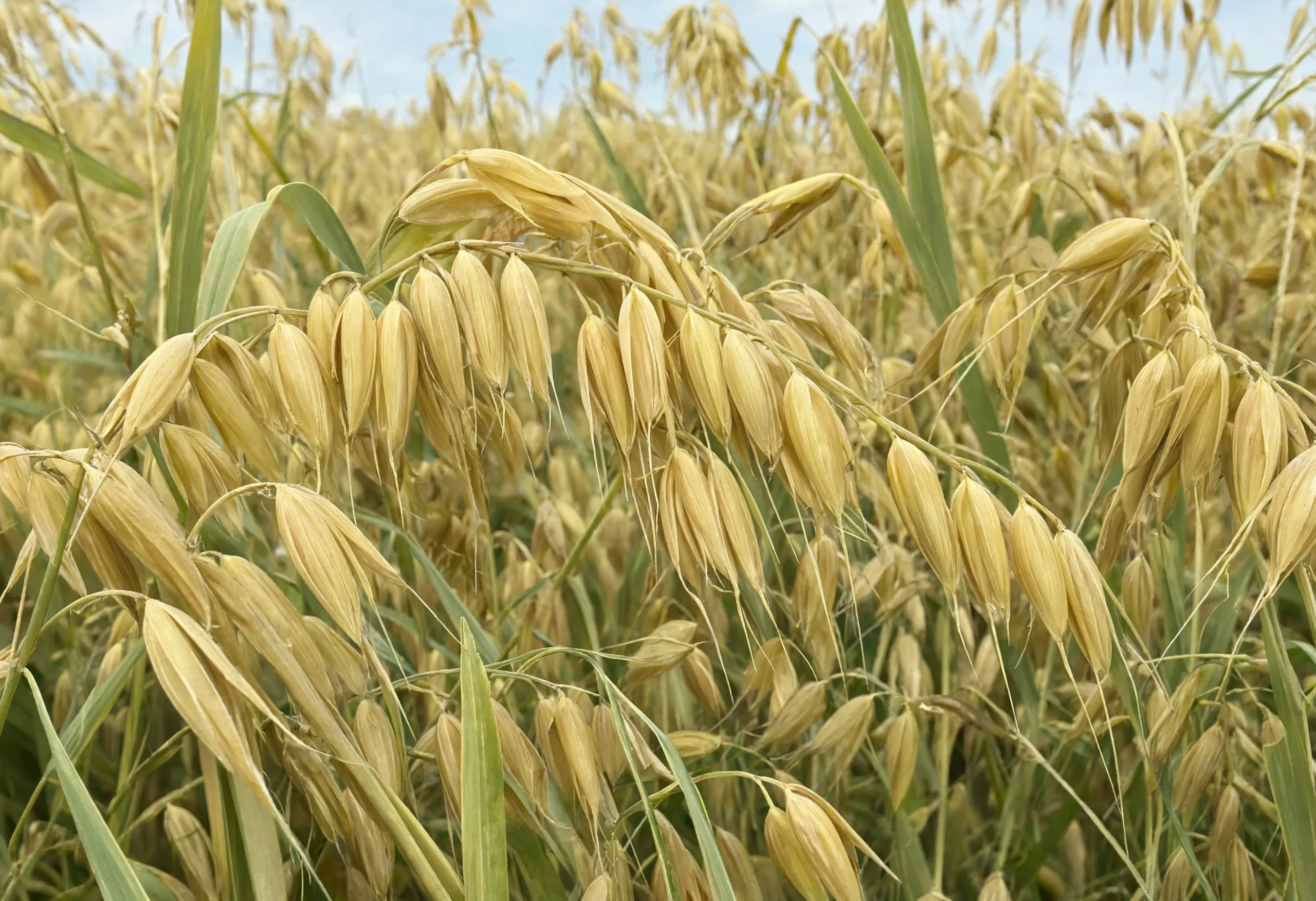
USDA organic certification is not a label applied after harvest. It is a production and handling system that governs seed selection, soil inputs, prohibited substance restrictions, harvest practices, and post-harvest handling from the beginning of each growing season through final delivery. Both the producing farm and our handling facility must be certified by a USDA-accredited certifying agency, and certification must be current and verified before a load is sold as certified organic.
What Our Certification and Traceability Program Covers
- Annual verification of organic certification status for every producing farm in our grower network
- Confirmed certified handler status for our processing facility covering organic grain receipt, storage, cleaning, and shipment
- Dedicated bins and segregated storage preventing commingling of organic and conventional grain at every intake point
- Equipment cleaning and inspection protocols applied between organic and non-organic grain runs
- Lot-specific traceability records linking each shipment to the originating field, harvest date, and crop year
- Third-party non-GMO PCR testing coordinated through accredited laboratories for buyers requiring dual certification
- Pre-shipment documentation packages assembled before loading and available for buyer review prior to receipt
For buyers whose programs require identity preservation in addition to organic certification, our identity preserved grains program maintains strict lot-level variety separation and provides the full chain-of-custody documentation that retail labeling audits and third-party certification bodies require.
Organic Grain Sourcing and Quality Control Process
From Grower Selection Through Pre-Shipment Inspection
Our quality control process begins before a grain is planted. Grower selection is the first and most consequential quality decision in an organic supply program. We work with growers who have demonstrated experience with organic production requirements, maintain current certification in good standing, and understand the additional documentation and handling expectations our programs require. That selection process is ongoing, not a one-time qualification event.
Our Multi-Stage Quality Control Approach
- Grower qualification: Verified organic certification, production history review, and alignment with program-specific handling requirements before any grain is sourced
- Crop monitoring: Pre-harvest communication with growers on crop conditions, moisture projections, and quality indicators that affect delivery timing and specifications
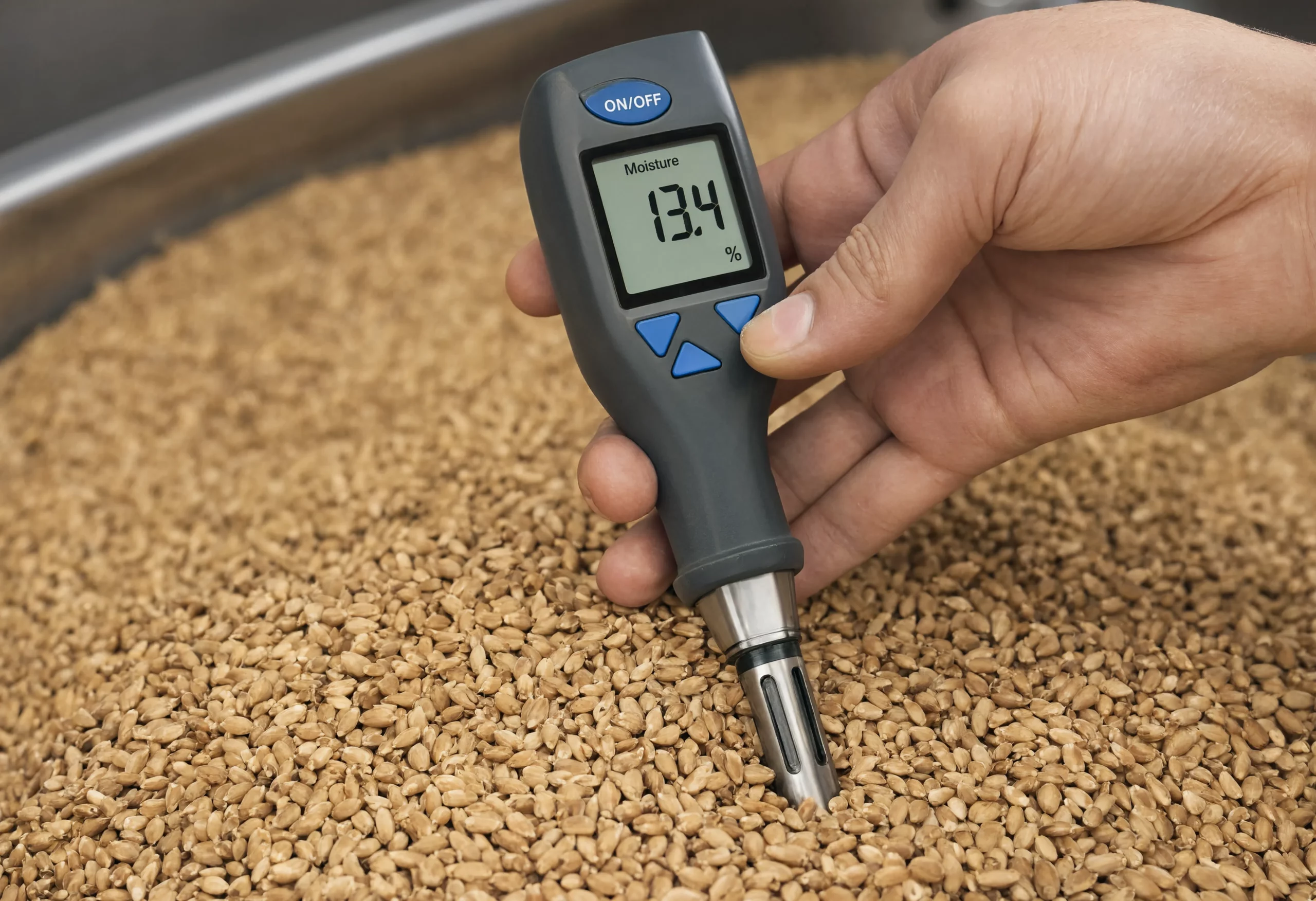
- Intake inspection: Visual inspection, moisture testing, and initial quality assessment at grain receipt before the lot is accepted into organic storage
- Precision cleaning: Multi-stage processing through aspiration, gravity tables, D-stoner, Satake color sorter with Shape Technology, and Safeline metal detector
- CO2 treatment: Pest elimination without chemical fumigants, producing a no-live-bugs guarantee on every organic grain shipment
- Laboratory testing: Moisture, test weight, purity, protein, and program-specific parameters tested through accredited third-party laboratories
- Pre-shipment review: Final sampling, documentation assembly, and quality confirmation before loading
Consistency across multiple shipments is a priority for buyers with ongoing production schedules. We maintain detailed records on each lot and communicate proactively when crop conditions, timing, or specifications may differ from the contracted standard. For buyers who want to understand how mycotoxin testing fits into the quality assurance process, our post on mycotoxin testing in grains explains the methodology and how results are applied to organic grain programs.
Choosing an Organic Grain Supplier: Our Full Program Overview
Specialized Programs for Every Organic Grain Sourcing Need
Organic grain sourcing is not a single program. Different buyers have different certification needs, volume requirements, documentation standards, and supply chain structures. We have built specialized programs around the most common sourcing requirements food manufacturers and ingredient buyers face, each with its own quality standards, documentation framework, and logistics infrastructure.
Explore Our Specialized Grain Programs
- Wholesale Corn Grains: Yellow, white, blue, and pink certified organic corn in bulk quantities for food manufacturing, milling, snack production, and distilling. Full COA, organic certificate, and non-GMO verification available on every load.
- Identity Preserved Grains: Lot-level traceability, variety segregation, and chain-of-custody documentation from seed selection through delivery. Essential for retail label claims and third-party audit requirements.
- Non-GMO Grain Supply: PCR-verified non-GMO sourcing for buyers who require documented GMO compliance without full organic certification, or dual-certified organic and non-GMO programs.
- Specialty Corn Varieties: Yellow, white, blue, pink, waxy, flint, and heritage corn varieties for differentiated food products and ingredient applications where color, starch profile, or milling performance is the selection driver.
- Food-Grade Grains: Food-grade quality standards, multi-stage cleaning, mycotoxin testing, and FSMA-aligned documentation for buyers whose production and regulatory requirements demand a higher standard than commodity sourcing provides.
- Bulk Grain Supply: High-volume programs with truckload, tote, and railcar logistics, contracted supply options, and documentation support for large-scale manufacturers, processors, and distributors.
Bulk Organic Grain Logistics, Packaging, and Supply Capabilities
Truckload, Tote, Bag, and Railcar Shipping for Manufacturers and Distributors
Efficient, reliable logistics are as important as grain quality in a functional organic supply program. A load that arrives late, in the wrong format, or with incomplete documentation creates production disruptions that cannot be fixed retroactively. Our logistics team coordinates packaging, carrier selection, scheduling, and documentation as an integrated part of every program rather than treating it as a separate fulfillment step.
Packaging and Shipping Formats Available
- 50-pound woven poly bags (palletized) for batch processing and forklift-receiving facilities
- 2,000-pound bulk totes for processing facilities with bulk bag receiving systems
- Full truckload hopper trailers for buyers with grain bin or pneumatic unloading infrastructure
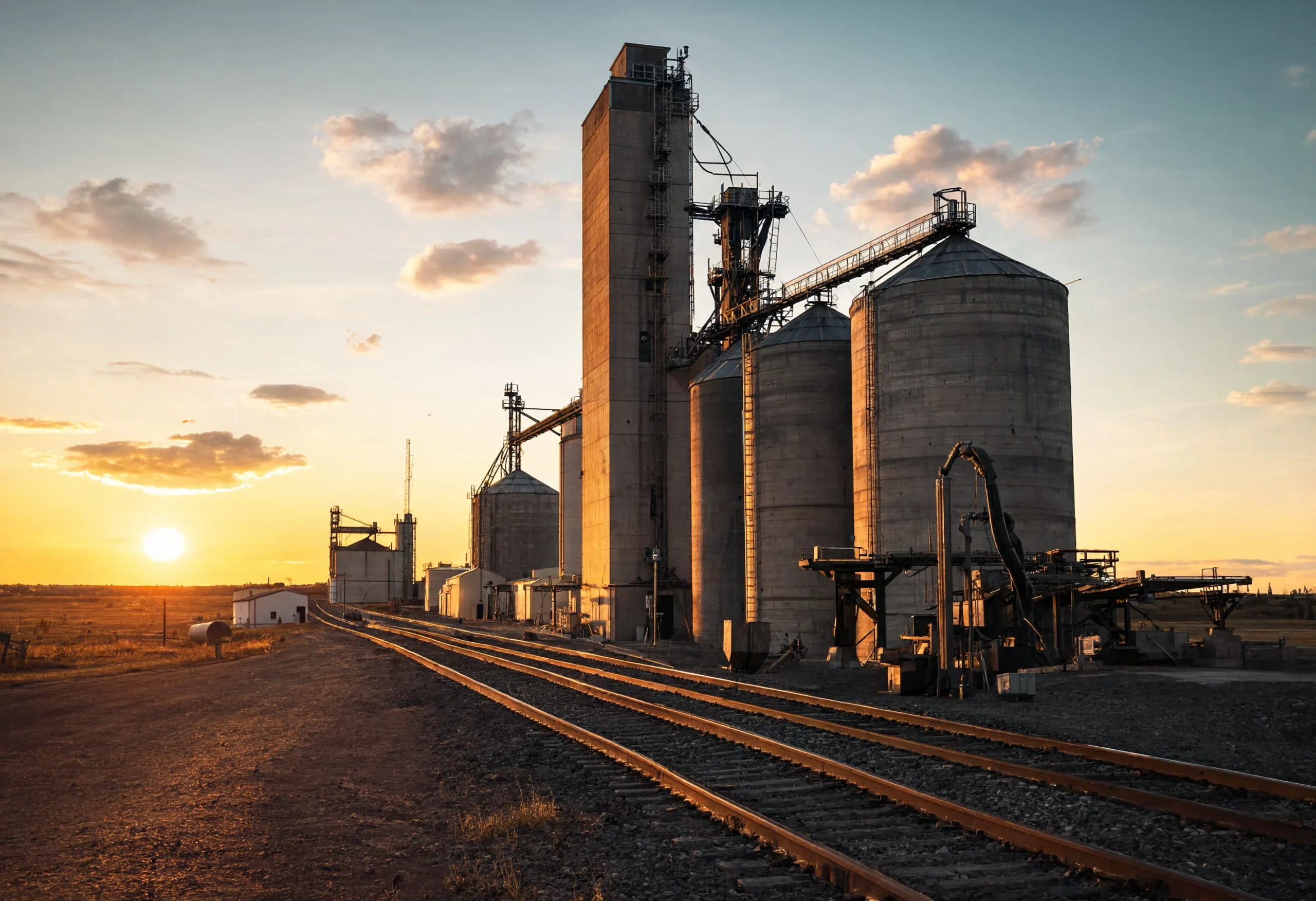
- Railcar shipments via Union Pacific and BNSF for high-volume buyers along major rail corridors
Our bulk grain supply page provides a detailed breakdown of packaging formats, when each format makes the most operational sense, and how our logistics team coordinates freight for both truck and rail programs. For buyers evaluating the most cost-effective format for their volume level, our blog post on bulk grain packaging options walks through the key decision factors for each format.
Frequently Asked Questions About Organic Grain Supply
What grains do you supply as a certified organic grain supplier?
Our organic grain supply includes corn in yellow, white, blue, and pink varieties as our primary and most extensively documented offering, along with organic wheat, oats, barley, rye, soybeans, triticale, and other specialty grains depending on current crop year availability. All organic grain ships with USDA organic certification, non-GMO verification when required, and full pre-shipment documentation.
How does USDA organic certification work for grain?
USDA organic certification for grain is governed by the National Organic Program and requires that the grain be grown from non-GMO seed on land free of prohibited synthetic inputs for at least three years, managed under an approved organic system plan, and handled by a certified organic handler from harvest through delivery. Both the producing farm and the handling facility must hold current certification from a USDA-accredited certifying agency. A valid organic certificate accompanies every certified organic grain shipment we send.
Can you supply organic grain with non-GMO verification?
Yes. All of our certified organic grain is grown from non-GMO seed stock, and we offer non-GMO PCR verification through accredited third-party laboratories for buyers who need documented non-GMO test results alongside organic certification. See our non-GMO grain supply page for a detailed explanation of verification methodology and documentation.
What documentation comes with an organic grain shipment?
Every organic grain shipment includes a current USDA organic certificate for the producing farm and handler, a certificate of analysis covering moisture, test weight, and purity, lot traceability records, non-GMO test results when specified, and applicable identity preservation records for variety-specific programs. Documentation packages are tailored to each buyer’s audit and compliance requirements.
Do you offer contracted organic grain supply programs?
Yes. We structure contracted organic grain supply programs with defined volume commitments, quality specifications, delivery schedules, and pricing established before the growing season begins. Contracted programs allow our grower network to align production with your purchasing forecast and reduce the supply variability that comes with spot purchasing. Contact our team to discuss contract options.
What is the difference between organic grain and identity preserved grain?
Organic certification governs the production and handling standards a grain must meet to carry a USDA Organic claim. Identity preservation is a supply chain discipline that maintains lot-level traceability, varietal purity, and segregation from planting through delivery. Our identity preserved grain program provides both the certification documentation and the chain-of-custody records buyers need for audit and labeling purposes.
Can you supply organic grain in bulk quantities with rail shipping?
Yes. We supply organic grain in 50-pound bags, 2,000-pound totes, full truckload hopper trailers, and railcar quantities via Union Pacific and BNSF rail lines. Contact our team to confirm rail availability and scheduling for your delivery location.
Get Started with a Trusted Organic Grain Supplier
Clark Specialty Grains is ready to build an organic grain supply program around your volume requirements, certification needs, quality specifications, and delivery schedule. Whether you need a single truckload of certified organic blue corn or a multi-species annual contract with full audit documentation, our team has the sourcing relationships, facility infrastructure, and documentation systems to deliver.
Browse our specialized programs: wholesale corn grains, identity preserved grains, non-GMO grain supply, specialty corn varieties, food-grade grains, and bulk grain supply. Or reach out directly to start the conversation with our sourcing team.
Submit an inquiry online or call us at (308) 537-2004. We respond quickly and can provide availability, program structure, certification details, and pricing based on your specific sourcing needs.