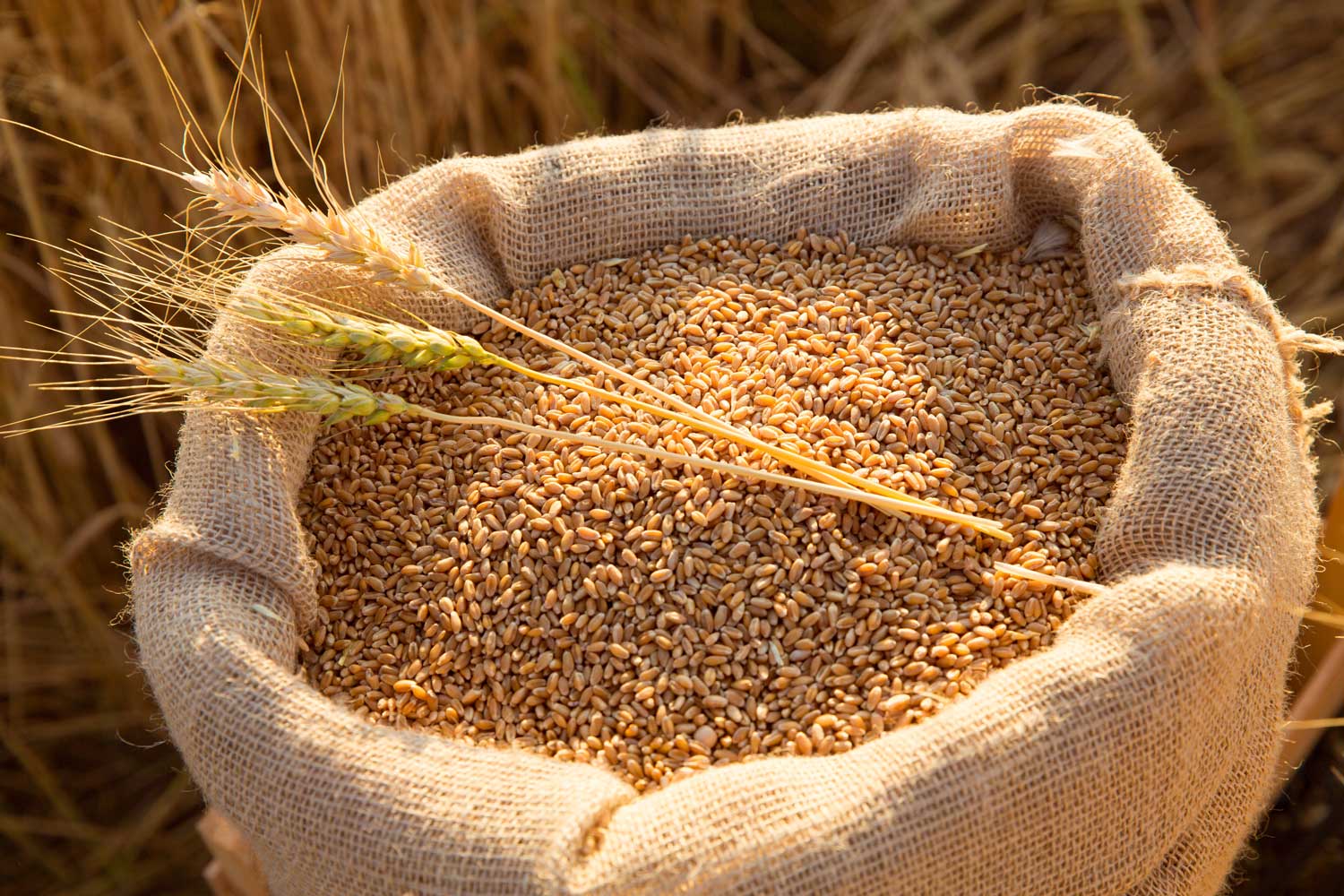
Corn is one of the most versatile crops grown in the United States, but not every kernel is created equal. Commodity field corn dominates acreage and feeds livestock and ethanol plants, while a growing share of food manufacturers depend on specific types of corn to deliver the flavor, color, texture, and nutritional profile their products demand. From tortilla chips and masa to breakfast cereals, snack foods, and craft spirits, the corn a manufacturer selects directly shapes the quality and consistency of the finished product.
Knowing how corn types differ is essential for anyone sourcing grain for food production. The differences in kernel hardness, starch makeup, color, and handling standards decide how corn mills, cooks, fries, and expands, and they influence which supplier is the right fit for the job.
The Main Types of Corn Used in Food Manufacturing
Specialty corn is corn grown and handled for a specific end use rather than sold as a bulk commodity. These lots are typically identity preserved, meaning they are planted, harvested, stored, and transported separately to protect their unique characteristics, and many are also grown as non-GMO or certified organic to meet the expectations of food brands and consumers.
Food-Grade Dent Corn
Dent corn is named for the small dent that forms on the kernel crown as it dries, a result of its mix of hard and soft starch. Food-grade white and yellow dent corn is the backbone of masa, tortillas, corn chips, and corn flour, and it is the type most food manufacturers buy by volume.
Flint Corn
Flint kernels have a hard, glassy outer layer and less soft starch. That structure holds up during cooking, which is why flint corn is prized for polenta, grits, and coarse cornmeal.
Flour Corn
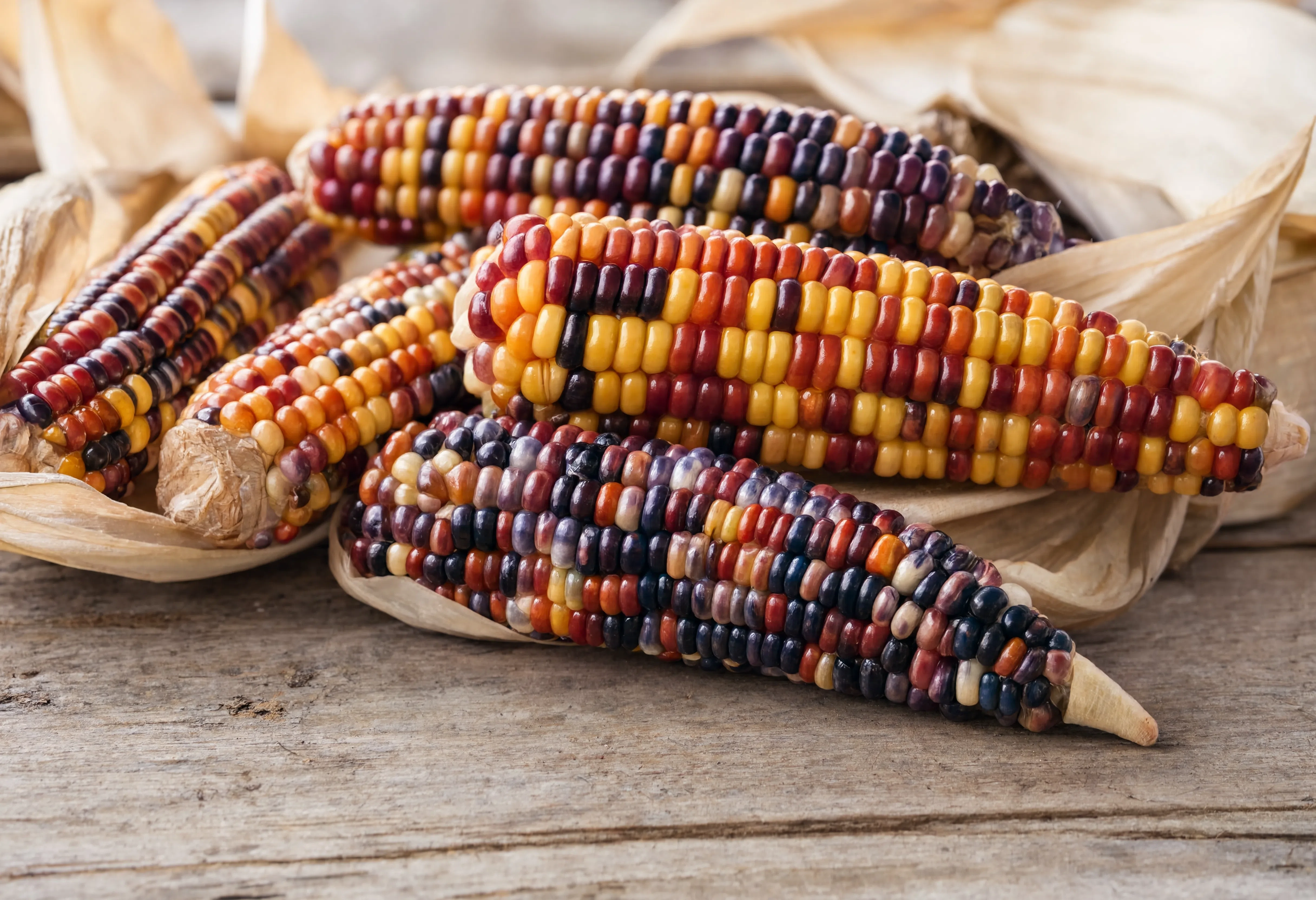
Flour corn is made up mostly of soft starch, so it grinds easily into fine, tender flour. Many heirloom blue and other colored varieties fall into this category, which makes flour corn a favorite for artisan baking and specialty tortillas.
Popcorn
Popcorn is a specialized type closely related to flint corn. Its moisture-sealed hull lets the kernel build pressure and expand dramatically when heated, and that trait sets it apart from every other corn type.
Waxy Corn
Waxy corn contains nearly all amylopectin starch, which gives it unique functionality in food starches, thickeners, and certain processed foods. Its starch is valued for clarity, stability, and smooth texture.
High-Amylose and High-Oil Corn
These types are bred for particular functional or nutritional properties. High-amylose corn is a source of resistant starch that acts like dietary fiber, and high-oil corn is bred for higher oil content.
Types of Corn at a Glance
Corn Type
Kernel Character
Typical Food Uses
Food-grade dent
Mix of hard and soft starch, dented crown
Masa, tortillas, corn chips, corn flour
Flint
Hard, glassy outer layer
Polenta, grits, coarse cornmeal
Flour
Mostly soft starch
Fine flour, artisan baking, heirloom blue products
Popcorn
Moisture-sealed hull that expands with heat
Popped snacks
Waxy
Nearly all amylopectin starch
Food starches, thickeners, processed foods
High-amylose and high-oil
Bred for functional or compositional traits
Resistant starch ingredients, specialty uses
Dent Corn vs. Flint Corn and Other Differences Between Corn Types
Corn types differ from one another and from commodity corn in several ways that matter on a production line. A small shift in kernel hardness or moisture can change how masa hydrates, how chips fry, or how much flour a mill can extract from each bushel.
Kernel Hardness and Milling Behavior
The ratio of hard (vitreous) to soft (floury) endosperm affects milling yield, particle size, and how corn behaves during cooking and nixtamalization. Dent corn balances both, flint corn leans hard, and flour corn leans soft.
Starch Composition Across Types of Corn
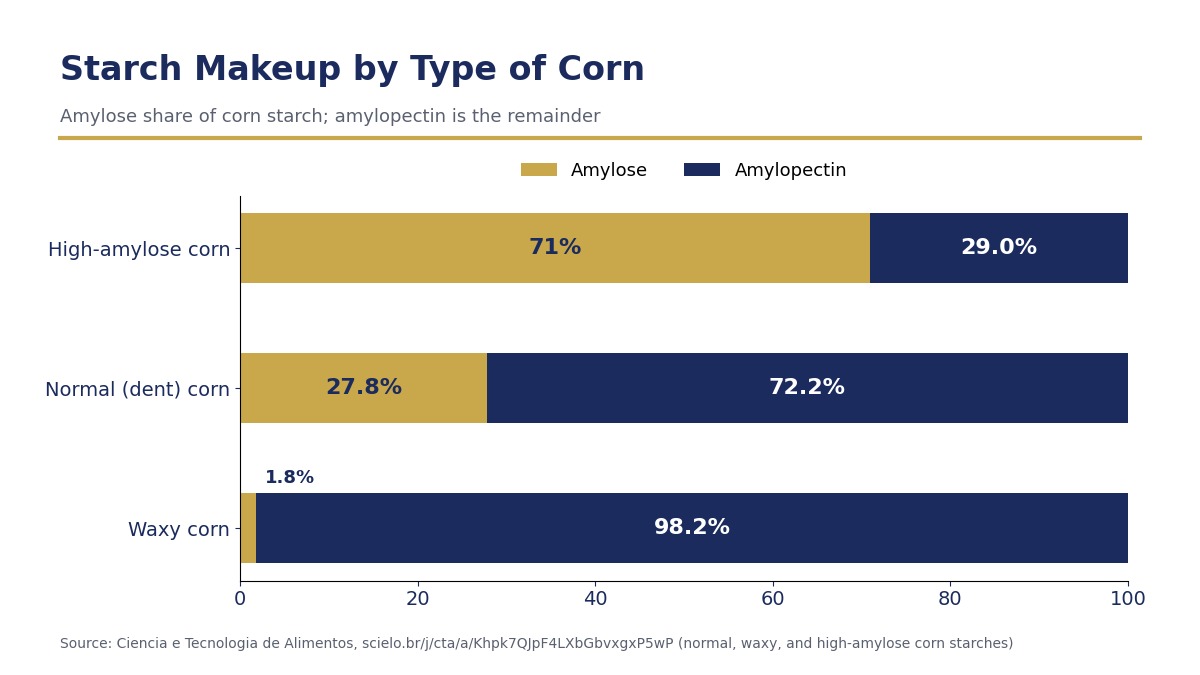
The balance of amylose and amylopectin influences texture, viscosity, and expansion in finished foods. In one laboratory comparison published in Ciencia e Tecnologia de Alimentos, normal corn starch measured about 27.8 percent amylose, waxy corn starch about 1.8 percent, and high-amylose corn starch about 71 percent.
Pigmentation: natural pigments such as carotenoids and anthocyanins give corn its color and contribute antioxidants and flavor
Genetic background: heirloom, open-pollinated, and hybrid varieties each bring different flavor profiles and agronomic traits
Production and handling: non-GMO and organic programs require careful field isolation, testing, and segregated storage to maintain purity
Dent Corn vs. Flint Corn Compared
Trait
Dent Corn
Flint Corn
Starch structure
Hard and soft starch
Hard, glassy starch with less soft starch
Cooking behavior
Cooks evenly into pliable masa
Holds texture during cooking
Grind
Fine flour and masa
Coarse meal and grits
Best fit
Tortillas, chips, corn flour
Polenta, grits, coarse cornmeal
White, Yellow, Blue, and Other Corn Colors
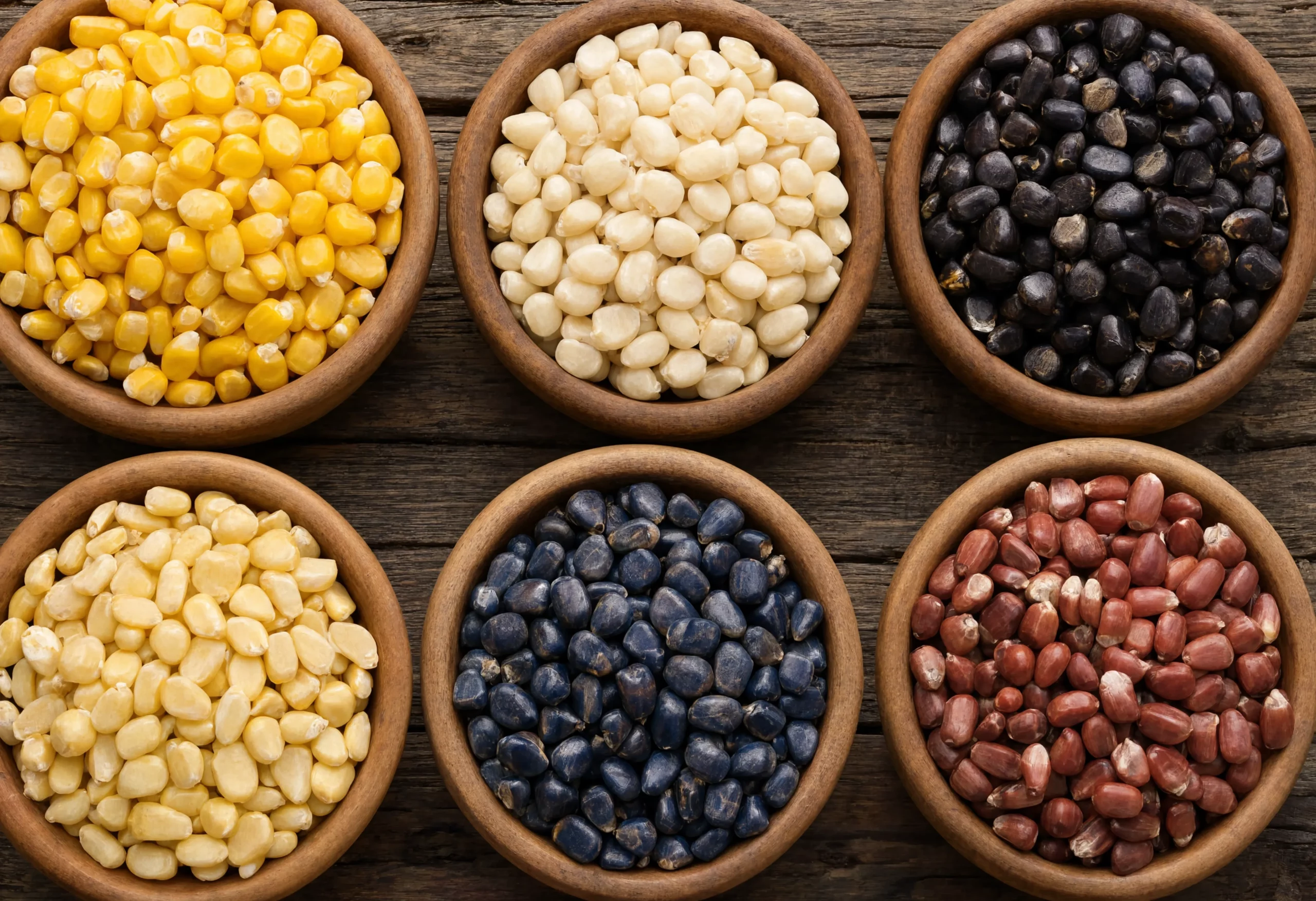
Color is often the first trait buyers consider, and each option brings distinct qualities to food products. Buyers can compare the yellow, white, blue, purple, and pink corn lines when planning a product line.
Yellow corn: rich in carotenoids with a slightly sweet, full flavor and warm golden color, popular for chips, cornbread, cereals, and snacks
White corn: a mild, clean flavor and bright appearance, a traditional favorite for tortillas, masa, and white corn chips
Blue corn: a nutty, slightly earthy flavor and naturally high anthocyanins, used in tortilla chips, atole, pancakes, and premium products, with a softer kernel that yields a finer texture
Purple corn: deeply pigmented and used in snacks, natural colorants, and traditional beverages such as chicha morada
Pink and red corn: less common varieties that add eye-catching color to artisan tortillas, chips, and specialty flours
Colored corn has gained ground as consumers look for natural color, heritage stories, and added nutritional interest, and offering a blue or purple product is a simple way for many brands to differentiate a line.
How Types of Corn Affect End Use
The right corn for one product can be the wrong corn for another. Manufacturers match corn type to their process and finished goods based on how each variety performs in real production conditions.
Masa, Tortillas, and Chips
Food-grade white, yellow, and blue dent corn are ideal for nixtamalization, the traditional process of cooking corn in an alkaline solution. Consistent kernel size, pericarp thickness, and hardness help the corn cook evenly and produce pliable masa, and chip makers look for the right crunch, color, and oil absorption. Buyers who need food-grade corn for masa and chips should confirm kernel specifications before ordering.
Cornmeal, Grits, and Polenta
Harder flint and dent varieties hold their shape and produce a pleasing coarse grind, while softer varieties create smoother textures.
Corn Flour, Cereals, and Extruded Snacks
Flour corn and softer dent corn mill into fine, uniform flour suitable for baked goods, breading, and gluten-free formulations. In cereals and extruded snacks, kernel hardness and starch profile influence how corn expands and crisps during extrusion or flaking.
Distilling, Brewing, and Natural Colorants
Craft distillers often seek heirloom and colored corn for the flavor notes they bring to whiskey, bourbon, and other spirits. Highly pigmented purple and blue corn also supply natural colors and antioxidant-rich ingredients.
Where Food and Beverage Makers Use Corn
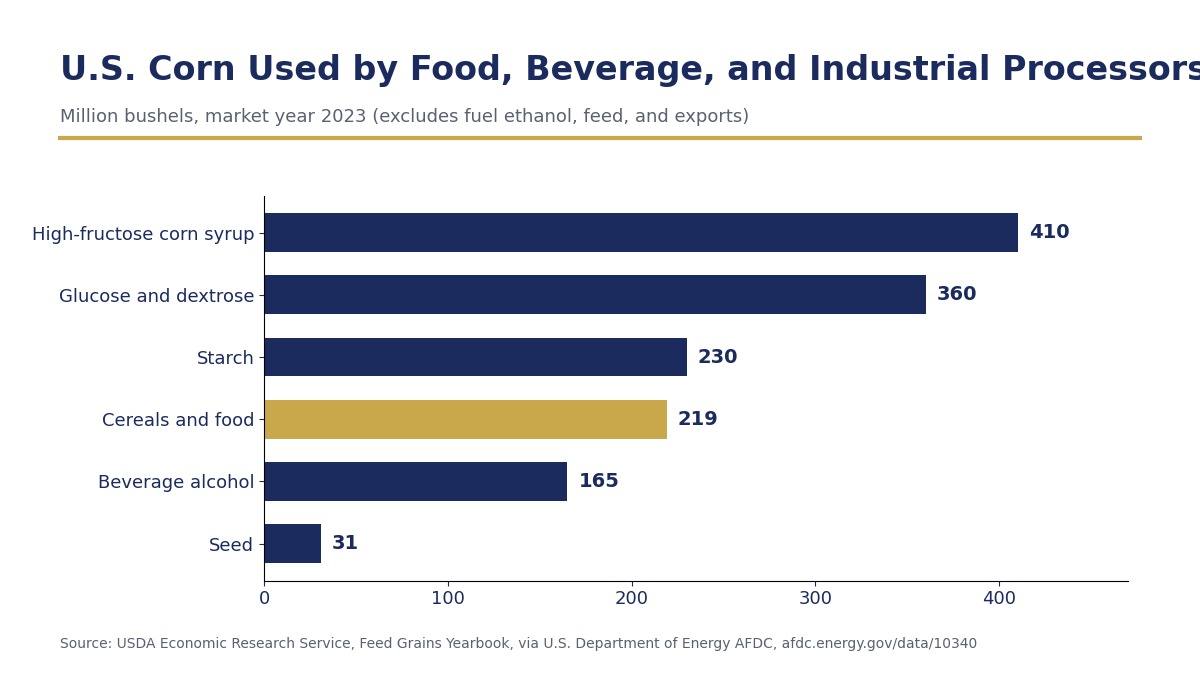
Corn feeds a large processing industry beyond feed and fuel. In market year 2023, U.S. processors used 410 million bushels for high-fructose corn syrup, 360 million for glucose and dextrose, 230 million for starch, 219 million for cereals and other food products, and 165 million for beverage alcohol.
A variety that performs beautifully in a stone mill may behave differently on a high-speed industrial line. Manufacturers should weigh moisture content, test weight, and breakage susceptibility alongside flavor and color when evaluating any corn for a specific application.
Application
What to Look For
Common Corn Types
Masa and tortillas
Even cooking, consistent kernel size, pliable masa
White, yellow, and blue dent
Tortilla and corn chips
Crunch, color, oil absorption
Dent, blue and colored corn
Cornmeal, grits, polenta
Coarse grind, shape retention
Flint, hard dent
Corn flour and baking mixes
Fine, uniform flour
Flour corn, soft dent
Cereals and extruded snacks
Expansion and crispness
Dent, selected specialty lines
Distilling and brewing
Distinct flavor notes
Heirloom, colored corn
Choosing Corn for Food Manufacturing
Selecting the right corn is a strategic decision that affects product quality, production efficiency, labeling claims, and brand reputation. Buyers who take a structured approach are far more likely to secure a reliable, consistent supply.
Product requirements: define the flavor, color, texture, and nutritional profile first, then work backward to the corn type
Quality specifications: set clear limits for moisture, test weight, foreign material, broken kernels, and mycotoxins such as aflatoxin and vomitoxin
Food safety: confirm the grain is cleaned, handled, and stored in facilities that follow food-grade practices and recognized safety programs
Supply consistency: corn grown for specific uses comes in smaller volumes than commodity corn, so ask about acreage, storage capacity, and year-round lot consistency
Packaging and logistics: decide whether you need totes, bags, or bulk loads and how delivery aligns with your production calendar
Traceability: identity-preserved programs should let you trace corn back to the field where it was grown
Choosing a supplier is just as important as choosing the corn itself. Before committing, ask potential suppliers:
Which corn types do you grow and supply, and in what volumes?
Is your corn certified non-GMO, organic, or both, and can you provide current certificates?
How do you prevent cross-contamination with GMO or commodity corn in the field and in storage?
What testing do you perform for GMO presence and mycotoxins, and will you share a certificate of analysis for each lot?
How is your grain cleaned, and which food safety programs or audits do your facilities follow?
Can you trace each shipment back to its field of origin?
How do you keep quality consistent from one crop year to the next?
What packaging formats, minimum order quantities, and delivery options do you offer?
Do you offer samples so we can test performance in our own process?
How long have you supplied the food industry, and can you share references?
A reputable supplier answers these questions openly and provides documentation without hesitation, and transparency is a strong sign of a partner you can depend on for the long term. When you are ready to compare options, request samples and a quote for your target corn type and volume.
Corn Types Frequently Asked Questions
What is the difference between specialty corn and commodity corn?
Commodity corn is grown in large volumes, mixed together, and sold mainly for animal feed, ethanol, and industrial uses. Specialty corn is grown for a specific purpose, kept separate from other grain, and handled to preserve traits such as color, flavor, purity, and food-grade quality.
What is the difference between dent corn and flint corn?
Dent corn has a mix of hard and soft starch and forms a small dent in the kernel crown as it dries, which makes it easy to mill and a standard for masa and chips. Flint corn has a hard, glassy outer layer and less soft starch, so it holds its texture in polenta, grits, and coarse cornmeal.
Which corn is best for making tortillas?
Food-grade white dent corn is the traditional choice for tortillas, though yellow and blue dent corn are also widely used. The best lot cooks evenly during nixtamalization and produces smooth, pliable masa.
What does non-GMO corn mean?
Non-GMO corn is grown from seed that has not been genetically engineered. Producers use field isolation, testing, and segregated handling to keep the corn free from genetically modified material.
Can corn be both organic and non-GMO?
Yes. USDA organic standards prohibit genetically modified organisms as excluded methods, so certified organic corn is grown without GMO seed. Organic certification is process based and adds requirements for soil management, inputs, and farming practices, and buyers who need a specific testing threshold should request lot testing. Not all non-GMO corn is organic.
Is blue corn different nutritionally from yellow or white corn?
Blue corn is naturally rich in anthocyanins, the same family of pigments found in blueberries. Other nutritional differences vary by variety, growing conditions, and preparation, so buyers who plan nutrition claims should rely on lot-specific lab data.
How can I keep my corn supply consistent?
Work with an experienced supplier that offers identity-preserved programs, maintains adequate storage, provides lot-by-lot testing, and has established relationships with growers. Long-term supply agreements can also help secure volume and pricing.
Partner With Clark Specialty Grains for Premium Non-GMO Corn
The right corn starts with the right supplier. Clark Specialty Grains is a family-owned non-GMO and organic corn and grain supplier with more than 18 years of experience serving the food industry nationwide, and our commitment to quality and sustainability has earned a reputation as a trusted source of food-grade corn. Our corn selection includes:
Yellow corn
White corn
Blue corn
Purple corn
Pink corn
Whether you want the finest blue corn or another specialty grain, we supply products that meet high standards of quality and safety. Talk with our team about your production needs, samples, and how the right corn can elevate your products.
Walk through any snack aisle and the shelf tells the story: blue, purple, and red tortilla chips now sit next to the traditional golden and white bags. Food manufacturers and ingredient buyers are turning to colored corn because it creates products that look distinctive, taste different, and fit the demand for natural ingredients and culinary heritage. From artisan tortillas and craft spirits to natural color extracts, colored corn has moved well past novelty and into a dependable, high-value ingredient category.
Working with it takes more than picking a shade, though. Each variety brings its own flavor, texture, processing behavior, and supply realities. Knowing what colored corn is used for, how kernel color changes performance, and what to demand from a supplier helps buyers choose with confidence and avoid costly surprises on the production line.
Popular Uses of Colored Corn in Food and Beverage Production
Colored corn is versatile because its pigments, flavors, and consumer appeal carry across many categories. The most common applications fall into a handful of groups.
Tortilla Chips, Corn Chips, and Extruded Snacks
Blue, purple, and red corn chips are the most recognizable colored corn products on the market. Bold color helps a brand stand out on a crowded shelf and often supports premium pricing. Extruded snacks, puffs, and crackers made with colored corn give shoppers something different from standard yellow corn snacks, and multicolor chip blends let brands build sampler packs from a single ingredient family.
Tortillas, Masa, and Cornmeal
Colored corn masa makes tortillas with rich color and a more complex, often nutty flavor, which is why restaurants and artisan tortilla makers use it for tacos, enchiladas, and tostadas. Blue and other colored cornmeal also works in pancakes, muffins, cornbread, and baking mixes, adding visual interest to familiar recipes. Buyers who mill their own flour should compare the yellow, white, blue, purple, and pink options side by side before locking in a blend.
Cereals, Granola, and Baking Mixes
Colored corn flakes, clusters, and granola inclusions bring natural color to cereal blends without synthetic dyes. That clean label advantage is a major reason breakfast and baking brands are testing colored corn in new product lines.
Craft Spirits, Beer, and Traditional Beverages
Distillers and brewers use heirloom and colored corn to create whiskeys, bourbons, and beers with unique flavor profiles and a strong origin story. Traditional drinks lean on colored corn as well: purple corn is the base of chicha morada, a Peruvian beverage, and blue corn appears in atole and other traditional drinks.
Natural Colorants and Extracts
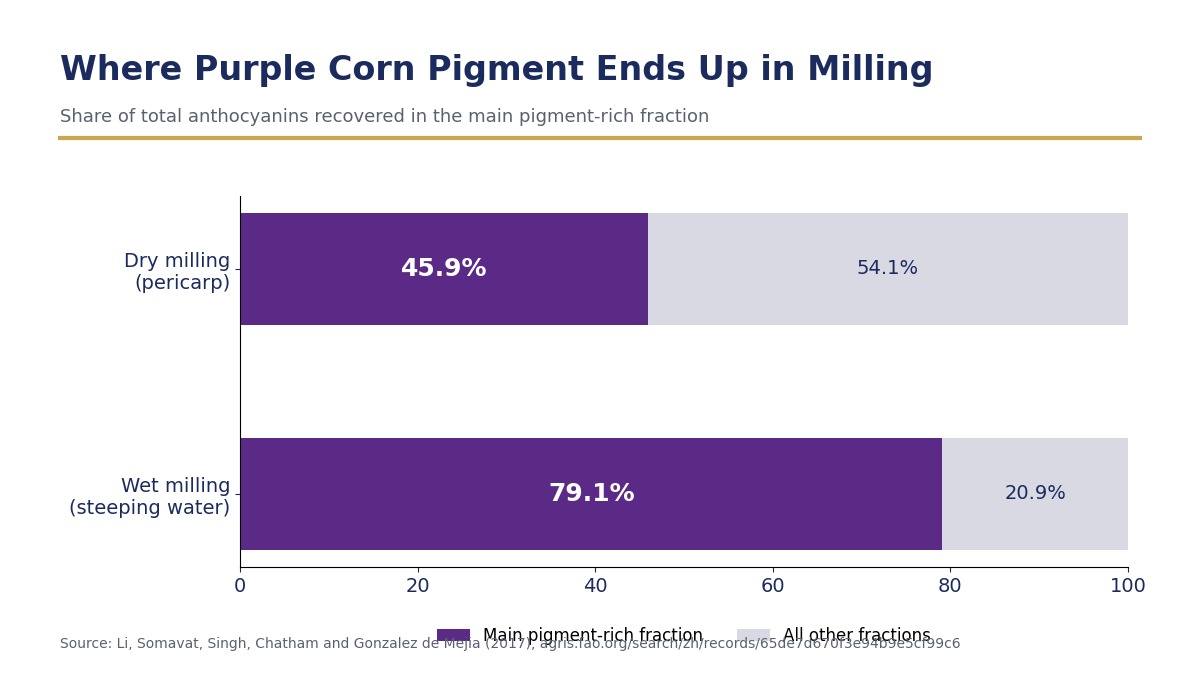
Deeply pigmented purple corn is a rich source of anthocyanins, which processors extract for use as a natural coloring agent in beverages, confections, and dairy products. In one comparison of milling methods, researchers found purple corn contained roughly ten times the anthocyanins of blue corn, which explains why purple varieties dominate extract production. That same study also showed that the pigment concentrates in specific kernel fractions, a detail that matters for anyone planning extraction.
Chefs use colored corn in plated dishes, specialty breads, and seasonal menus where presentation matters. Heirloom ears and kernels also give foodservice operators a story to tell guests about tradition, farming, and craft.
Colored Corn Uses at a Glance
Application
Best-Fit Varieties
Why It Works
Tortilla and corn chips
Blue, purple, red
Bold color and premium shelf appeal
Tortillas and masa
Blue, white, yellow
Rich color and nutty, complex flavor
Cornmeal and baking mixes
Blue, yellow
Visual interest in familiar recipes
Cereal and granola
Blue, purple, yellow
Natural color without synthetic dyes
Craft spirits and beer
Heirloom, red, blue
Distinct flavor and origin story
Natural colorants
Purple, blue
High anthocyanin concentration
Foodservice and artisan baking
Heirloom, pink, red
Memorable presentation and heritage appeal
Blue, Purple, Red, White, and Yellow: Comparing Colored Corn Varieties
Buyers rarely stop at one shade. Building a product line usually means weighing several varieties against flavor, color intensity, and processing behavior.
Blue Corn
Blue corn is the most popular colored variety in food manufacturing. It offers a sweet, nutty, slightly earthy flavor and a softer kernel that grinds into a fine, delicate flour. It is a staple for chips, tortillas, cornmeal, and pancake mixes, and it is naturally rich in anthocyanins.
Purple Corn
Purple corn carries some of the highest anthocyanin levels of any corn type. It is valued for deep color in snacks and tortillas, and it is the source material for natural colorants and traditional beverages.
Red and Pink Corn
These less common varieties create eye-catching products and help artisan and premium brands set themselves apart. They are popular for multicolor blends and limited seasonal releases.
White and Yellow Corn as Neutral and Warm Bases
White corn provides a mild, clean flavor and a bright appearance, making it a standard for masa, tortillas, and white corn chips, and a neutral base in multicolor lines. Yellow corn gets its golden hue from carotenoids and delivers a fuller, slightly sweet flavor that works in chips, cornbread, cereals, polenta, and snacks.
Heirloom Colored Corn
Heirloom varieties are open-pollinated and have been passed down through generations. Many arrive in striking colors with complex flavors that appeal to chefs, craft distillers, and specialty food brands.
Colored Corn Variety Comparison
Variety
Main Pigment
Flavor Profile
Common Uses
Blue
Anthocyanins
Sweet, nutty, earthy
Chips, tortillas, cornmeal, pancake mixes
Purple
Anthocyanins (highest levels)
Earthy, complex
Colorants, beverages, deep-color snacks
Red and pink
Anthocyanins
Mild to earthy
Multicolor blends, artisan products
White
Very little pigment
Mild, clean
Masa, tortillas, white chips
Yellow
Carotenoids
Full, slightly sweet
Chips, cornbread, cereal, polenta
Heirloom
Varies by line
Complex
Craft spirits, chefs, specialty foods
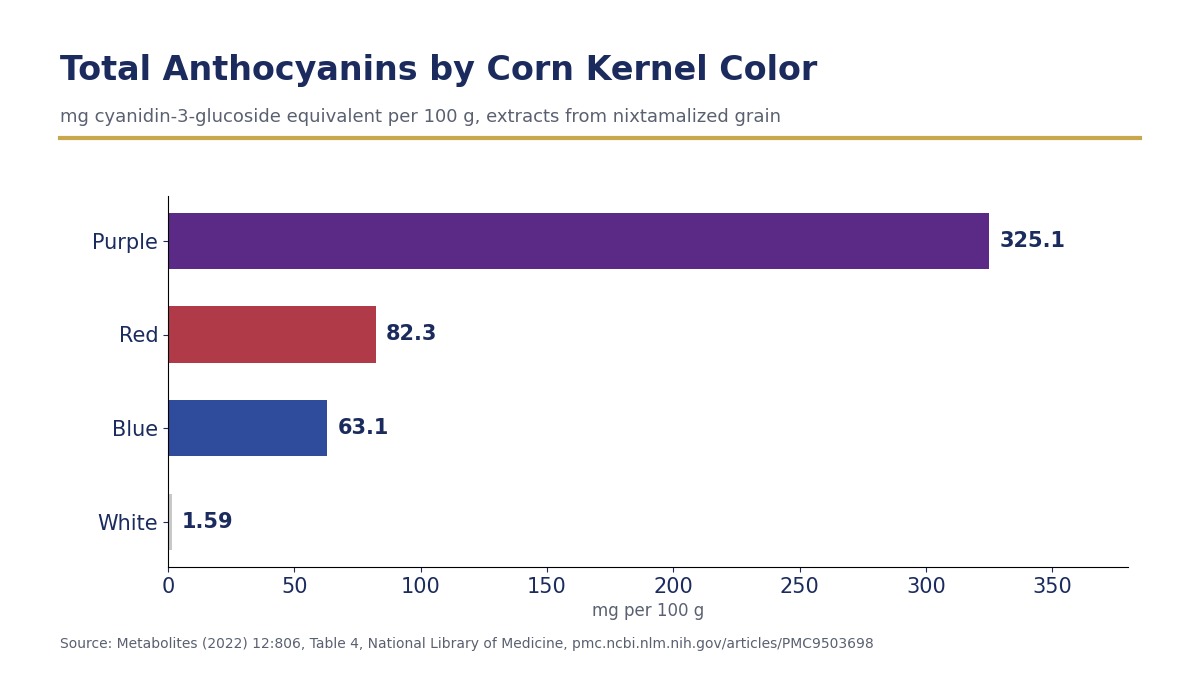
Measured pigment levels show how different these kernels really are. In one set of extracts from nixtamalized grain summarized by the National Library of Medicine, purple corn measured about 325 milligrams of total anthocyanins per 100 grams, red about 82, blue about 63, and white under 2. The full data table is worth reading for buyers who want the chemistry behind the color.
How Kernel Color Changes Processing and Finished Products
The pigments that give corn its color are tied to kernel chemistry, which shapes how the grain behaves in the plant and how the finished product looks and tastes.
Pigment Chemistry and pH Sensitivity
Yellow corn owes its color to carotenoids, while blue, purple, and red corn get theirs from anthocyanins. Anthocyanins shift color with acidity, so during nixtamalization, the alkaline cooking step used to make masa, blue corn can drift toward green or gray.
Practical Fixes for Color Drift
Adjust lime levels to the lowest effective amount
Shorten cook and steep times where texture allows
Add a mild food-grade acid to the process when the formulation permits
Run small test batches for every new crop year
Heat Stability in Frying, Baking, and Extrusion
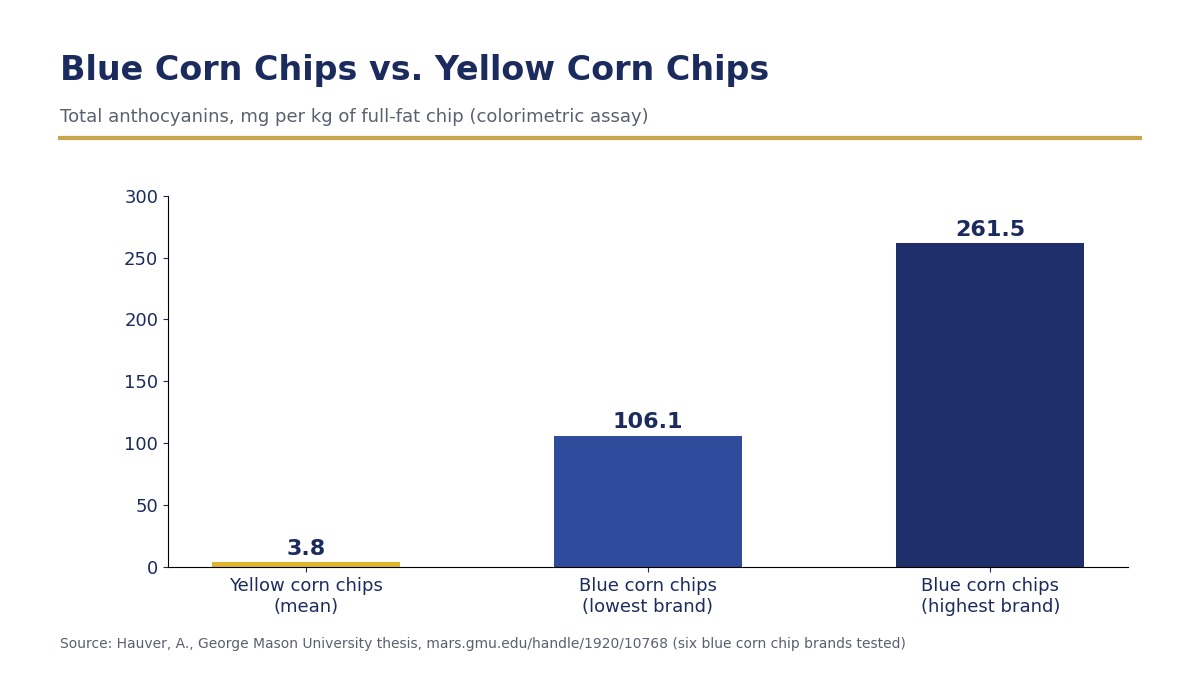
High temperatures can dull or darken pigments. Testing fry temperatures, bake profiles, and extruder settings with colored corn keeps color vibrant and consistent from batch to batch. Finished chips still carry measurable pigment: a George Mason University study measured total anthocyanins in six brands of blue corn chips from 106 to 262 milligrams per kilogram, against about 4 milligrams per kilogram in yellow corn chips.
Many blue and heirloom varieties have softer, more floury kernels than standard dent corn, which affects milling yield, particle size, water absorption, and masa texture. Wet milling trials on colored corn have also reported lower starch yields than conventional yellow dent corn, so plants should plan for different yields and settings.
Flavor and Labeling Advantages
Colored varieties often carry nutty, earthy, or slightly sweet notes that differ noticeably from conventional yellow corn, and those flavors can define a product’s identity. Natural color also supports clean label positioning, since brands can achieve vivid products without artificial dyes.
Choosing Colored Corn Based on Visual and Flavor Goals
Clear targets make selection far more efficient. Start with the look and taste you want, then work backward to the variety.
Bold, dramatic color: choose blue or purple corn for striking chips, tortillas, and snacks
Neutral base: select white corn when seasonings or fillings should take center stage
Warm, golden tones: yellow corn delivers a classic look and a fuller corn flavor
Artisan or heritage appeal: heirloom, pink, and red varieties support storytelling around origin and craft
Nutty, earthy flavor: blue corn fits products where taste is part of the brand promise
Natural coloring: purple corn offers concentrated pigment for extracts and colorants
Always request samples and run test batches under real production conditions. Color and flavor can vary by growing season, region, and processing method, so hands-on testing is the most reliable way to confirm a variety meets your goals.
Sourcing Colored Corn for Food Production
Colored corn is grown on far fewer acres than commodity corn, so success depends on planning and a dependable supplier relationship. Manufacturers who treat sourcing as a strategic priority are better placed to protect quality and avoid supply gaps.
Identity Preservation and Purity
Corn pollen travels easily, so colored fields must be isolated to prevent unwanted color mixing, and the grain must be harvested, stored, and shipped apart from other corn. Ask suppliers to document their segregated growing, storage, and shipping programs so color, flavor, and purity arrive intact.
Non-GMO and Organic Certification
Many brands marketing colored corn products position them as non-GMO, organic, or both, and every claim needs paperwork behind it. Review the supplier’s non-GMO verified grain programs and confirm valid certificates, and look at organic-certified colored grain when organic positioning matters to your customers.
Food-Grade Handling and Lot Testing
Grain should be cleaned and stored in facilities that run food safety programs and guard against contamination. Look for lot-by-lot testing of moisture, foreign material, mycotoxins, and GMO presence, along with a certificate of analysis for each shipment. A dependable food-grade ingredient supply program makes these records routine instead of a special request.
Volume, Contracts, and Packaging
Because colored corn supply is limited, discuss annual volume early and consider contracts that secure acreage before planting season. Confirm the supplier can ship totes, bags, and bulk loads on a schedule that matches your production plan.
What Buyers Should Expect From Colored Corn Supply
Consideration
What to Expect
How to Manage It
Yield
Many colored and heirloom varieties produce fewer bushels per acre than commodity hybrids
Plan for a price premium and secure volume early
Crop-year variation
Weather and soil change pigment intensity
Set clear specifications and test each new crop
Cross-pollination
Pollen can mix colors in neighboring fields
Require isolation practices and documentation
Storage
Moisture and heat can damage pigment quality
Confirm cool, dry storage and moisture control
Processing
Softer kernels and pH-sensitive pigments need tuning
Run pilot batches before full production
Supplier experience
Colored corn demands specialized knowledge
Work with a grower who can advise on variety selection
Detailed questions about growing practices, testing protocols, and traceability help identify a supplier who can meet both quality standards and production schedules. When you are ready to compare options, request samples and a quote for your target variety and volume.
Colored Corn Frequently Asked Questions
What gives colored corn its color?
Blue, purple, and red corn get their color from anthocyanins, the same family of natural pigments found in blueberries and red cabbage. Yellow corn gets its golden tone from carotenoids, while white corn contains very little of either pigment, which is why it tastes and looks neutral.
Does colored corn taste different from regular corn?
Yes. Blue corn is often described as sweet and nutty, purple and heirloom varieties can taste earthy and complex, white corn is mild and clean, and yellow corn has a fuller, slightly sweet flavor. These differences are strong enough to define a finished product.
Why do blue corn tortillas sometimes turn green or gray?
Anthocyanins are sensitive to acidity and alkalinity. The lime solution used in nixtamalization raises pH, which can push blue pigments toward green or gray. Adjusting lime levels, cook time, and steep time helps hold a true blue color.
Is colored corn genetically modified?
Not necessarily. Colored corn gets its hues from traditional breeding and natural genetics, and many lots are grown as non-GMO or certified organic. Buyers should still request certificates and testing records for every lot.
Can colored corn replace artificial food dyes?
In many applications it can. Blue and purple corn deliver natural color directly in chips, tortillas, and cereals, and purple corn is processed into anthocyanin extracts used in beverages and confections. Final color depends on pH, heat, and the finished food, so bench testing is essential.
Is colored corn more expensive than yellow or white corn?
Usually, yes. It is grown on far fewer acres, often yields fewer bushels per acre, and needs segregated handling from field to truck. Many brands recover the premium through shelf appeal and premium retail pricing.
Source Colored Corn With Confidence From Clark Specialty Grains
Vibrant, flavorful products start with high-quality grain. Clark Specialty Grains is a family-owned non-GMO and organic corn and grain supplier with more than 18 years of experience serving the food industry nationwide, and our commitment to quality and sustainability has earned a reputation as a trusted source of food-grade corn. Our colored corn selection includes:
Yellow corn
White corn
Blue corn
Purple corn
Pink corn
Whether you need the finest blue corn or another specialty grain, we supply products that meet high standards of quality and safety. Talk with our team about samples, volume, and the right colored corn for your next product.
Procurement managers sourcing specialty grains face pressures that commodity grain buyers never encounter: certification compliance, lot traceability, variety purity, and ingredient consistency, all while managing production timelines that leave little room for substitution. A grain’s genetic makeup, the growing region’s soil and irrigation profile, and the post-harvest handling chain each determine whether a shipment performs as expected in your process or triggers a costly reformulation. Understanding what specialty grains are and where they fit in your supply chain starts with rigorous technical evaluation, not a commodity price sheet.
What Specialty Grains Are Used For
Specialty grains, including wheat, oats, corn, sorghum, barley, rye, triticale, and rice, are distinguished from standard commodity crops by specific genetic, physical, and chemical traits that determine their value in manufacturing rather than bulk trading channels. A commodity bushel of corn is priced on volume and moisture content. A specialty corn variety is priced on starch profile, kernel color, absence of genetic modification, and documented chain of custody. Research from the USDA Agricultural Research Service confirms that genetic and physical traits are the primary drivers of grain end-use value, a finding that shapes how food manufacturers, brewers, and industrial processors specify their purchases. Think of hybrid genetics as a precision-tuned engine: each variety is bred for specific performance characteristics like moisture content, starch density, or color consistency.
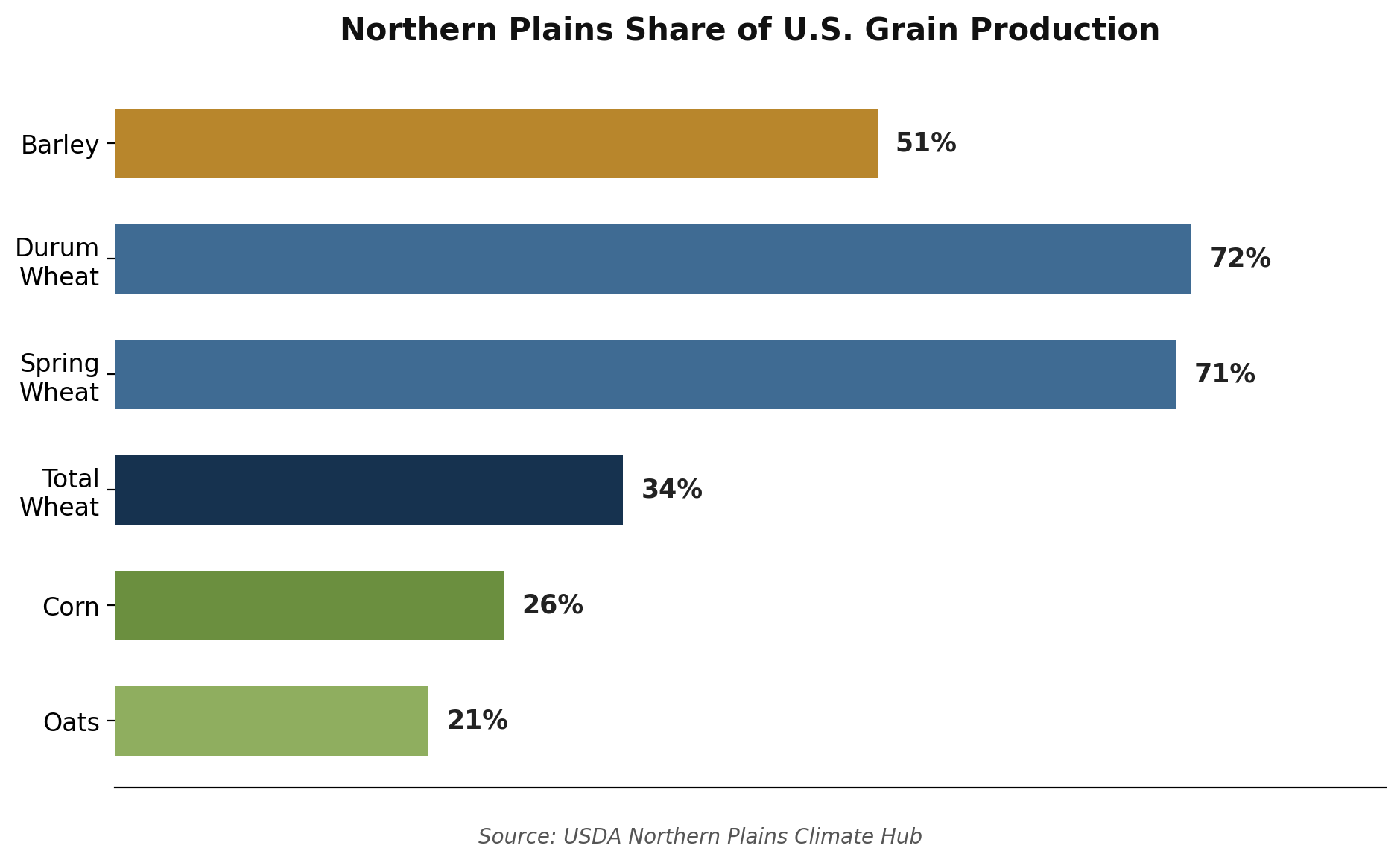
Genetics depend on geography just as much as breeding. A growing region’s soil composition, irrigation access, and seasonal temperature patterns interact with a variety’s genetic potential to determine the grain constituents that reach a processing facility. The Northern Plains, which includes Nebraska, contains 25 percent of total U.S. cropland and 26 percent of its irrigated lands, according to the USDA Northern Plains Climate Hub. That concentration of irrigated acreage matters for specialty crops because consistent soil moisture during grain-filling periods directly affects starch development, protein content, and kernel uniformity. Climate variability in the region presents an ongoing challenge, since shifting temperature patterns and changes in water availability require farmers to adapt through localized genetic selection and crop sequencing to protect the quality benchmarks that specialty buyers depend on.
Common Food Uses for Specialty Grains
Processing pathways dictate value. Across food manufacturing, the primary applications break down into a handful of distinct routes:
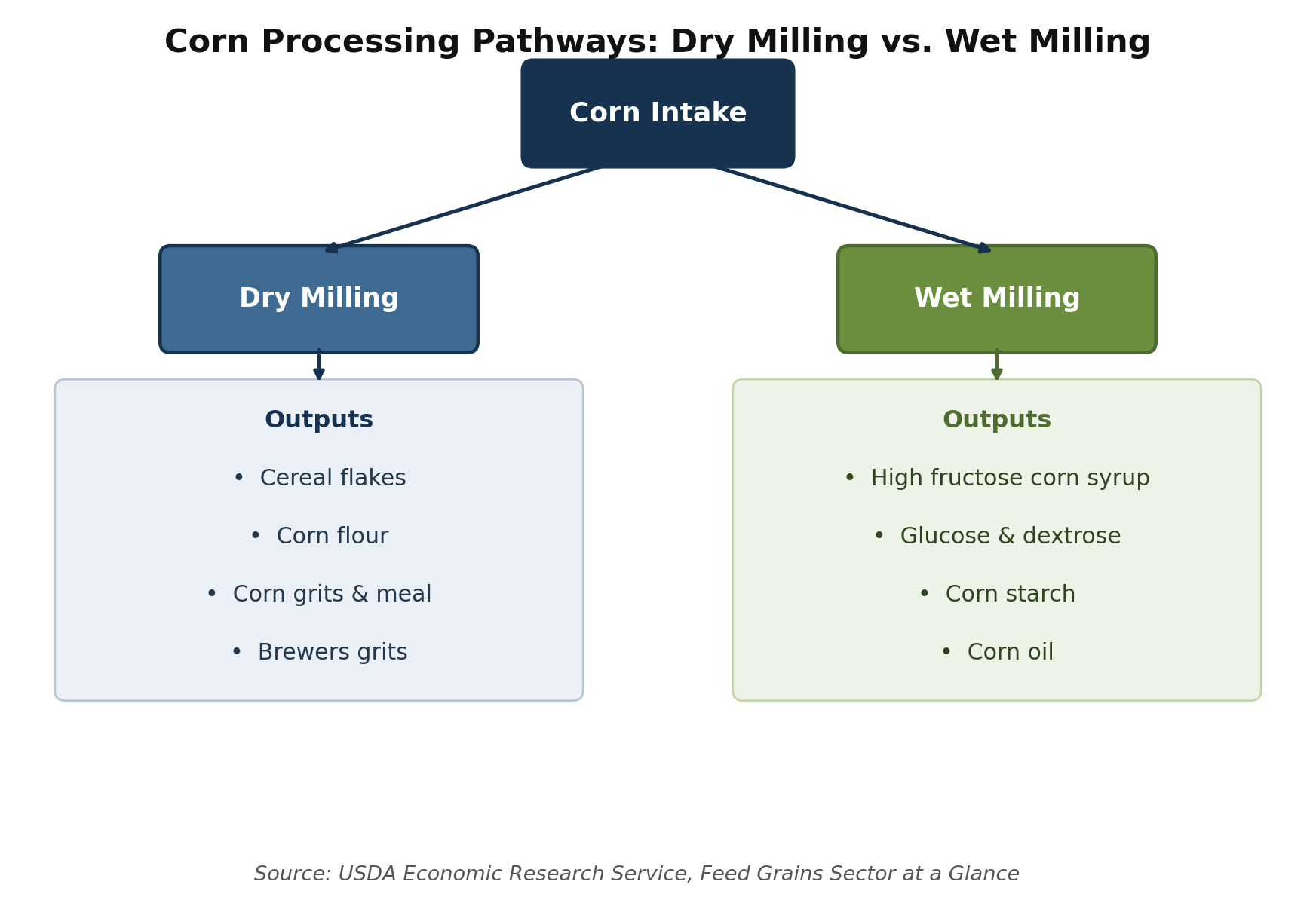
Dry milling of corn produces flakes for cereal, corn flour, corn grits, corn meal, and brewers grits for beer production.
Wet milling of corn yields high fructose corn syrup, glucose, dextrose, starch, and corn oil, each requiring specific starch and moisture profiles at intake.
High-value wheat fractions are developed to produce vital gluten, high-selenium bran, and whole white wheat, increasing both nutritional and economic value.
Oats and sorghum serve distinct roles. Oats are analyzed for nutritional and dietary fiber composition to enhance their use in the food supply, while sorghum’s end-use value depends on interactions among physical grain traits, chemistry, and cooking or processing technique.
Yellow, white, blue, purple, pink, waxy, and flint corn varieties are processed into specialized ingredients for the snack and tortilla industries, where kernel color and starch composition are non-negotiable specifications.
Specialty Corn, Organic Grain, and Non-GMO Options
Among specialty corn varieties, the distinctions between yellow dent, white, blue, and waxy corn extend well beyond color. Waxy corn’s starch profile, dominated by amylopectin rather than amylose, produces different texture and stability characteristics in food applications than standard dent corn. The exact starch composition differences between waxy and standard dent corn must be verified through lot-specific Certificate of Analysis documentation, since these ratios vary by variety and growing season. For manufacturers requiring USDA Organic, non-GMO Project Verified, or Kosher certification, the sourcing chain must maintain variety segregation from seed through delivery, a requirement that rules out most commodity grain channels entirely.
For food manufacturers requiring strict variety purity and documented quality, understanding the role of identity preservation is critical to protecting a finished product’s label claims.
Specialty Grain Applications by Industry
Food manufacturers evaluate specialty grains for rheological and functional traits that directly affect processing behavior and finished product quality. Specific wheat varieties are assessed for their performance in Asian noodles, tortillas, pizza dough, and flatbreads, applications where protein content, gluten strength, and water absorption interact in ways that make variety substitution technically risky, according to the USDA National Agricultural Library. Corn fractions are processed to develop new food ingredients, nutraceuticals, and bioactive food agents, with research focused on creating blends with enhanced proteins, dietary fiber, and bioactive constituents. The range of specialty corn varieties available through identity-preserved supply chains gives food manufacturers access to specific starch and pigment profiles that commodity channels cannot reliably deliver.
Artisan and commercial bakers rely on this same principle when specifying whole wheat and specialty wheat fractions for bread production. The protein content and gluten strength of a given wheat lot determine crumb structure, crust development, and shelf stability, which is why bakeries sourcing at volume request the same lot-level documentation that a snack food processor would demand of specialty corn.
Waxy corn’s functional properties in food texture applications depend on its starch composition, specifically the ratio of amylopectin to amylose. Standard moisture content and physical hardness parameters required for optimal dry milling of specialty corn varieties must be verified through lot-specific Certificate of Analysis documentation, as these parameters are not uniform across growing seasons or geographic origins. Manufacturers who specify waxy corn for starch-intensive applications, such as retort-stable sauces, frozen food matrices, or confectionery coatings, need supplier documentation that goes beyond a generic grain spec sheet.
Specialty Grains in Beverage Production
Commercial brewers and craft producers use specialty grains in two distinct ways: as malted base grains that provide fermentable sugars, and as specialty additions, steeped or mashed, to contribute color, flavor, and body without meaningfully increasing fermentable sugar content. Steeping specialty grains, meaning soaking crushed grain in hot water before the main mash, extracts soluble compounds including melanoidins, dextrins, and roasted flavor precursors that define a beer’s sensory profile. Specific malts carry precise functional signatures: biscuit malt delivers a warm, toasted aroma and golden color, a de-husked dark malt adds deep color and smooth roasted character without the harsh bitterness that husked dark malts can introduce, and a Munich-style malt enhances body, malt aroma, and deep amber color.
Maintaining lot-level traceability for these malts is the mechanism that ensures batch-to-batch consistency. For brewers requiring verified non-GMO status, identity-preserved handling programs provide the documented chain of custody that PCR verification alone cannot establish.
Dry-milled specialty corn produces brewers grits, which function as adjuncts in commercial brewing by contributing clean fermentable sugars and body stability without introducing off-flavors. For clean-label beers, brewers require strict variety segregation and PCR verification to confirm non-GMO status, a requirement that extends to every ingredient in the grain bill, not just the base malt. Every shipment should be accompanied by a Certificate of Analysis verifying food-grade specifications including moisture content, foreign material limits, and mycotoxin levels.
Common brewing grain categories and what each contributes to a finished beer:
Biscuit-style malt: provides a warm, toasted aroma and golden color, used in ales, lagers, and amber styles.
De-husked dark malt: adds deep dark color and smooth roasted flavor without harsh bitterness, suited for dark lagers, stouts, and porters.
Munich-style malt: enhances body, malt aroma, and deep amber color, a foundational malt in Marzen and bock styles.
Brewers grits: derived from dry-milled specialty corn, providing clean fermentable sugars and body stability as a brewing adjunct.
Specialty Grains for Animal Feed and Industrial Uses
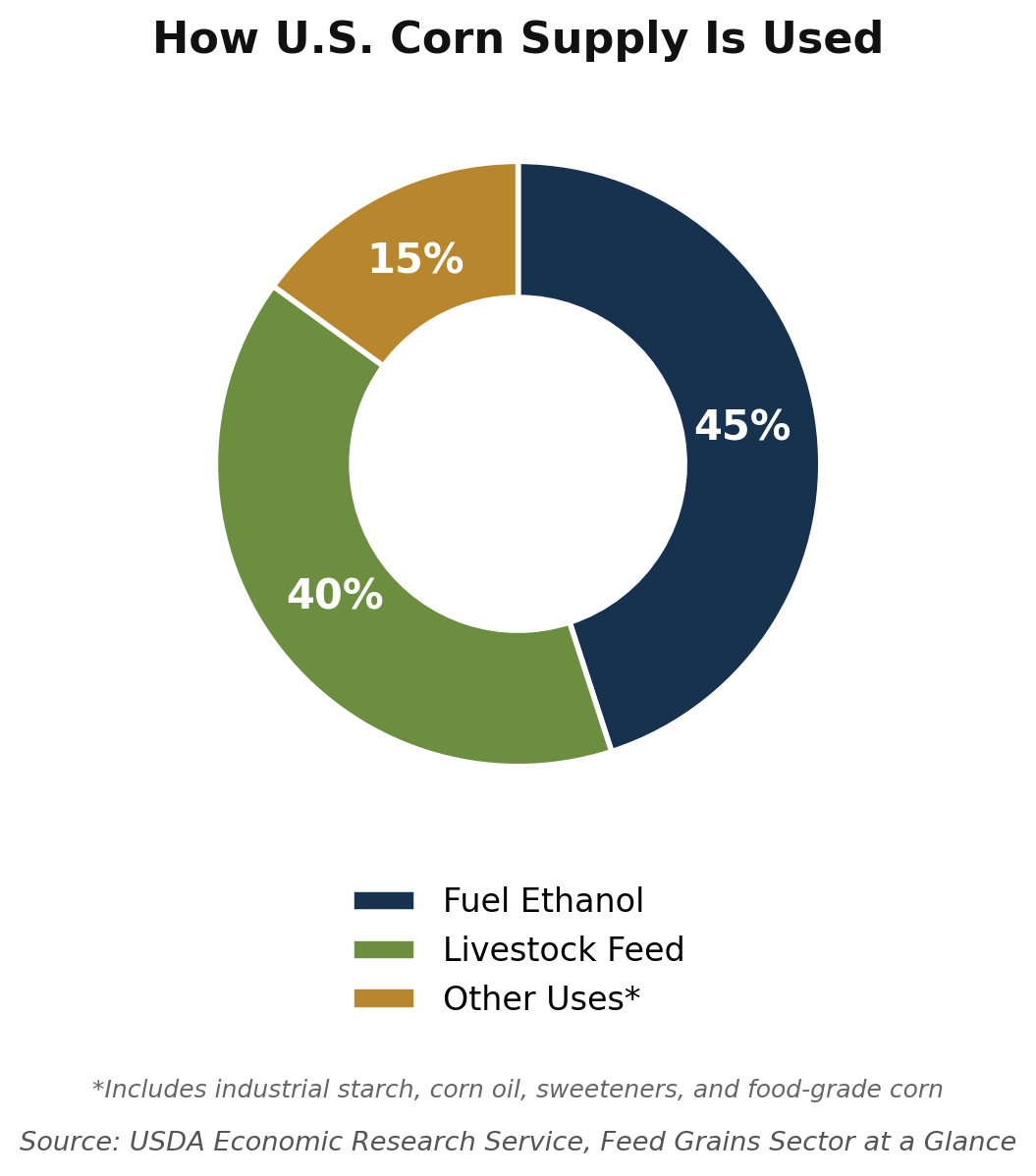
Corn’s dominance in the feed grain sector reflects its energy density and processing versatility. Corn accounts for over 95 percent of total feed grain production and use in the United States, with livestock feed representing approximately 40 percent of total domestic corn consumption, serving as the primary energy ingredient for cattle, hogs, and poultry. Sorghum, barley, and oats fill specific niches in feed formulations where regional availability or nutritional profiles make them preferable to corn, but none approaches corn’s scale in the domestic market.
On the industrial side, wet milling of corn produces industrial starch, industrial alcohol, and fuel ethanol, with fuel ethanol now accounting for nearly 45 percent of total corn use in the U.S. Agricultural feedstocks and processing byproducts are also the subject of active research for biochemical conversion into bio-based products, including bio-based plastics and surfactants, as renewable alternatives to environmentally persistent industrial polymers. For high-volume processors and industrial manufacturers, supply chain reliability is non-negotiable, since even short delays can halt a production run. Contracted bulk grain programs secure annual volume with full lot traceability and flexible shipping options built in.
How Buyers Choose the Right Grain Type
When to Source Specialty Grains From a Dedicated Supplier
The decision to source specialty grains from a dedicated supplier rather than a commodity channel comes down to whether your process can tolerate the variability that commodity channels introduce. If your formulation depends on a specific starch profile, a certified non-GMO status, or a documented lot history for regulatory compliance, commodity grain cannot meet that requirement by definition.
Ancient grains vs. specialty grains: Ancient grains such as amaranth, quinoa, teff, millet, and buckwheat have remained largely unchanged for millennia and carry distinct nutritional profiles valued in health-oriented consumer products. Specialty grains such as white, blue, pink, or waxy corn and specific wheat fractions are selected or bred for defined functional properties and produced at commercial scale for manufacturing applications. The sourcing requirements, certification pathways, and processing infrastructure for each category differ substantially.
Functional properties: Evaluate starch profiles (amylose versus amylopectin ratios), kernel hardness (flint versus dent), and protein content relative to your process requirements. Moisture content and physical hardness parameters for optimal dry milling of specialty corn varieties must be verified via lot-specific Certificate of Analysis documentation, since these figures vary by variety and season.
Certifications: Verify USDA Organic, SQF, Kosher, and non-GMO Project Verified status before contracting. Each certification carries its own audit trail and documentation requirements that must align with your compliance obligations.
Every shipment from a qualified supplier should include a Certificate of Analysis confirming food-grade specifications and lot traceability, not as a courtesy, but as a baseline condition of purchase.
Sourcing from central Nebraska, where the Ogallala aquifer supports consistent irrigation for specialty crops, functions like using a centralized logistics hub. It enables efficient nationwide distribution via truckload, tote, and rail while reducing the geographic variability that affects grain quality in more climatically exposed regions. A commitment to sustainable, well-managed farmland reflects the operational reality that long-term supply reliability depends on the agronomic health of the land producing the grain, not just the equipment that processes it afterward.
Frequently Asked Questions
What are specialty grains?
Specialty grains are crops with specific genetic, physical, or chemical traits grown for defined end-use applications rather than bulk commodity markets. Examples include yellow, white, blue, pink, and waxy corn varieties, each with distinct starch profiles and pigment characteristics, as well as high-value wheat fractions developed for vital gluten production, high-selenium bran, or whole white wheat applications. Unlike commodity grains priced on volume, specialty grains carry value tied to variety purity, certification status, and documented processing performance.
What is the difference between ancient grains and specialty grains?
Ancient grains, including quinoa, amaranth, teff, millet, and buckwheat, have remained genetically stable for thousands of years and are valued primarily for their nutritional density and consumer recognition in health-oriented markets. Specialty grains, by contrast, are selected or bred for specific functional properties, such as waxy corn’s amylopectin-dominant starch profile, blue corn’s natural pigments, or specific wheat varieties’ gluten strength in tortilla applications. The distinction matters for procurement because the two categories occupy different supply chains, certification frameworks, and processing infrastructure.
How are specialty grains used in commercial food manufacturing?
Food manufacturers use specialty grains through two primary processing pathways. Dry milling produces flour, grits, and meal for snacks, cereals, and baked goods, and requires specific kernel hardness at intake. Wet milling yields starches, oils, and syrups, including high fructose corn syrup and industrial starch, for a wider range of food and industrial applications. Every shipment entering a food manufacturing facility should include a Certificate of Analysis verifying food-grade specifications before it reaches the production floor.
Why are specialty malts used in brewing?
Specialty malts provide color, flavor, and body characteristics that base malts cannot deliver on their own. Steeping specialty grains extracts soluble compounds, including melanoidins, dextrins, and roasted flavor precursors, that define a beer’s sensory profile without adding significant fermentable sugars. A Munich-style malt builds amber color and malt body, a de-husked dark malt delivers color and smooth roast character without bitterness, and a biscuit-style malt contributes toasted aroma and golden color. For IPAs and other hop-forward styles, specialty malts provide the malt backbone that balances bitterness and supports head retention.
What are the benefits of sourcing specialty grains from a certified supplier?
Certified suppliers reduce procurement risk across three dimensions: quality consistency, audit-ready compliance, and supply chain transparency. USDA Organic, SQF, and Non-GMO Project Verified certifications provide documented assurance that the grain meets your label claims, but only if the supplier maintains variety segregation and lot traceability through the entire supply chain. Proactive mycotoxin testing is another critical differentiator, since suppliers who test every lot and provide results with the Certificate of Analysis give buyers the documentation needed for regulatory compliance and internal quality audits. The grain’s physical and chemical traits determine your product’s performance, while the supplier’s documentation practices determine your compliance posture.
Choosing a specialty grain supplier is a risk management decision as much as a procurement one. Clark Specialty Grains has operated from Gothenburg, Nebraska, since 2003, building a supply chain centered on food-grade specifications, lot traceability, and Certificate of Analysis verification for every shipment. The operational discipline that identity preservation requires, including variety segregation, documented chain of custody, and certified testing, is what separates a supplier who can substantiate your label claims from one who can only approximate them.
Ready to secure a supply of identity-preserved, food-grade grains? Contact our team to discuss your contract requirements, or learn more about Clark Specialty Grains and the varieties currently available.
Grain moisture content for storage is one of the most critical factors in maintaining quality, protecting food safety, and preserving value throughout the supply chain. Whether you are handling corn, soybeans, wheat, or specialty food-grade varieties, moisture levels directly influence how well grain holds up in bins, railcars, trucks, and processing facilities. Even small deviations from recommended targets can result in spoilage, mold growth, shrinkage loss, and rejected loads. For buyers and suppliers alike, understanding proper moisture thresholds and verification practices is essential to ensuring long term storage stability and product integrity.
In this guide, we will break down recommended moisture targets by grain type, explain how moisture contributes to spoilage and mycotoxin risk, and outline best practices for shipping and receiving grain safely.
Grain Moisture Content for Storage: Why It Matters
Grain is hygroscopic, meaning it absorbs or releases moisture depending on surrounding conditions. When moisture levels exceed safe storage thresholds, grain becomes biologically active. Microorganisms such as molds and bacteria begin to grow, insects proliferate more rapidly, and the grain itself respires at higher rates.
Excess moisture in stored grain can lead to:
Mold development and mycotoxin formation
Heating and hot spots within storage bins
Caking and clumping
Increased insect activity
Reduced test weight and grade
Off odors and visible quality defects
Financial losses due to shrinkage and rejected shipments
Even grain that initially tests within acceptable ranges can become problematic if it absorbs moisture during transportation or storage. This is particularly important for food-grade and specialty grains, where buyers demand strict adherence to safety and quality standards.
How Moisture Leads to Mold, Heating, and Quality Loss
When grain moisture rises above recommended storage thresholds, the following chain reaction can occur:
Respiration increases. Grain kernels and microorganisms consume oxygen and release heat and carbon dioxide.
Temperature rises inside the bin or shipment.
Condensation forms in cooler areas, creating localized pockets of high moisture.
Mold growth accelerates, often beginning in hot spots.
Mycotoxins may develop, posing food safety risks.
Common mycotoxins include aflatoxin, fumonisin, and DON. These compounds are produced by certain molds and cannot be removed once formed. They are tightly regulated in food and feed markets, and loads exceeding allowable levels may be rejected outright.
The risk increases significantly when both moisture and temperature are elevated. For long term storage, maintaining appropriate grain moisture content for storage and monitoring temperature trends are both essential.
Grain Moisture Content for Storage Targets: What to Aim For
Moisture targets vary by grain type, intended storage duration, and end use. The following ranges represent general guidance for safe storage under typical conditions.
Corn
Short-term storage up to 6 months: 14 to 15 percent
Long-term storage beyond 6 months: 13 to 14 percent
Food-grade or specialty corn often targeted closer to 13 to 14 percent for maximum stability
Higher moisture corn above 15 percent is highly susceptible to heating and mold growth if not dried promptly.
Soybeans
Safe storage target: 13 percent or less
Long-term storage: 11 to 12 percent preferred
Soybeans are more prone to mechanical damage during drying, so careful handling is important.
Wheat
Safe storage target: 13.5 percent or less
Long-term storage: 12 to 13 percent
Moisture above 14 percent significantly increases spoilage risk in wheat.
Barley
Safe storage target: 13 to 14 percent
Malting barley may require stricter specifications depending on buyer requirements
Sorghum
Safe storage target: 13 to 14 percent
Specialty and Food Grade Grains
For specialty grains such as blue corn, white corn, or other identity-preserved varieties, buyers often require:
Moisture at or below 14 percent
Tight uniformity across the load
Documentation verifying moisture readings
In food processing markets, tighter controls are common because moisture impacts milling performance, shelf life, and finished product quality.
It is important to note that these are general guidelines. Environmental conditions, such as ambient temperature and humidity, influence how dry grain must be to remain stable. Warmer climates require lower moisture levels for safe storage.
Measuring Moisture Correctly: Tools and Best Practices
Accurate measurement is essential when determining grain moisture content for storage. Inaccurate readings can result in disputes, rejected loads, or unsafe storage conditions.
Key tools and practices include:
Calibrated moisture meters designed for the specific grain type
Regular calibration checks against official methods
Representative sampling from multiple points in the load
Temperature correction when required by the equipment
Best practices for moisture testing:
Collect samples from the top, middle, and bottom of trucks or bins.
Avoid relying on a single probe location.
Mix samples thoroughly before testing.
Record moisture results for traceability.
For high-value food-grade grain, many facilities verify moisture at both origin and destination to prevent disputes and ensure compliance with contract specifications.
Managing Moisture Risk During Shipping and Receiving
Even when grain leaves a facility within target moisture ranges, conditions during transit can affect quality. Temperature fluctuations, condensation, and improper covering can introduce additional moisture.
Risk factors during shipping include:
Temperature swings between day and night
Rain exposure during loading or unloading
High humidity environments
Poorly sealed railcars or trucks
Delays in transit
To mitigate these risks, suppliers and buyers should:
Confirm loads meet moisture specifications before departure
Ensure equipment is clean and dry
Use properly sealed covers and tarps
Minimize exposure to precipitation
Schedule prompt unloading upon arrival
Moisture migration is a common issue during temperature changes. Warm air inside a load rises and condenses against cooler surfaces, increasing localized moisture. This can create pockets of mold even when average moisture levels appear acceptable.
Receiving Checklist: What to Inspect Before Unloading
When grain arrives at a facility, receiving personnel should verify that the grain moisture content for storage remains within acceptable limits. A thorough inspection protects both quality and safety.
Before unloading, confirm:
Moisture level meets contract specifications
Temperature of the grain is within an acceptable range
Odor is clean and free of musty or sour smells
Visual condition shows no visible mold, caking, or insect activity
Test weight aligns with expected grade
Documentation matches the shipment, including identity-preserved certifications if applicable
Additional best practices include:
Pulling multiple probes for composite sampling
Testing for mycotoxins when required
Inspecting truck beds or railcars for leaks or condensation
Recording all findings for quality assurance records
If moisture exceeds agreed limits, buyers should follow established procedures for rejection, discount, or further testing. Acting quickly prevents contaminated grain from entering storage systems and affecting other inventory.
Protecting Quality from Field to Facility
Moisture management begins long before grain enters storage. Proper harvesting timing, drying practices, aeration management, and routine monitoring all play important roles.
Producers and suppliers should:
Harvest at appropriate moisture levels
Use controlled drying systems to avoid stress cracking
Monitor bin temperatures regularly
Aerate grain to equalize temperatures
Keep storage structures clean and well-maintained
For food-grade and specialty grain markets, consistency is especially critical. Buyers depend on suppliers who understand how moisture affects milling characteristics, flavor, color retention, and regulatory compliance.
Selecting the right partner can significantly reduce risk throughout the supply chain.
Partner with a Trusted Supplier for Premium Quality
Maintaining the proper grain moisture content for storage is essential to preserving quality, preventing spoilage, and meeting strict food safety standards. From understanding moisture targets by grain type to implementing best practices in shipping and receiving, every step matters in protecting the value of your grain investment.
If you are sourcing high-quality non-GMO or organic corn varieties for food applications, work with a supplier who prioritizes moisture management, safety, and consistency.
Clark Specialty Grains is your premier non-GMO corn and grain supplier in the US. As a proud family-owned business with over 18 years of experience, we deliver the highest quality organic and non-GMO corn varieties to the food industry. Our commitment to excellence and sustainability has earned us a reputation as a trusted source of food-grade corn. We offer a diverse range of varieties, including yellow, white, blue, purple, and pink corn to meet the needs of processors and manufacturers nationwide.
Whether you are searching for the finest blue corn or another specialty grain, our team is committed to providing products that meet the highest standards of quality and safety. Contact us today to learn how we can support your sourcing needs with reliable supply, consistent moisture control, and uncompromising quality.
Selecting the right bulk grain packaging options is a critical decision for food manufacturers, processors, and distributors who rely on consistent quality, cost control, and food safety. The way grain is packaged and transported affects everything from freight efficiency and handling speed to contamination risk and shelf stability. Whether you are sourcing non-GMO corn, specialty grains, or commodity crops, understanding the advantages and limitations of each packaging format will help you protect your product and your margins.
Today’s buyers have several primary formats to choose from, including totes, super sacks, bulk tankers, palletized bags, and rail. Each solution serves a different operational need depending on shipment size, facility capabilities, and quality standards. Below, we break down the most common bulk grain packaging options and examine how they compare across cost, handling, quality preservation, and food safety.
Bulk Grain Packaging Options: Common Formats and Uses
Grain packaging is designed to balance protection and practicality. The best format for your operation depends on how much grain you move, how you store it, and how it integrates into your production flow.
Totes and Super Sacks
Super sacks, also known as FIBCs or flexible intermediate bulk containers, typically hold between 1,000 and 2,500 pounds of grain. They are constructed from woven polypropylene and often include lifting loops for forklift handling.
Common uses include:
Specialty grains and identity-preserved crops
Mid-sized processors with limited bulk storage
Export shipments requiring flexible handling
Super sacks can be fitted with discharge spouts, liners, and tamper-evident seals, making them a versatile option for food-grade grain.
Palletized Bags
Palletized bags typically contain 25 to 100-pound paper or poly bags stacked and shrink-wrapped on a pallet. They are widely used in food manufacturing, bakeries, and ingredient distribution channels.
Common uses include:
Smaller batch production
Facilities without bulk handling equipment
Retail or co-pack environments
This format offers precise portioning and easier inventory control but requires more manual handling than larger bulk formats.
Bulk Tankers and Hoppers
Bulk hopper trucks and pneumatic tankers transport grain in loose form without individual packaging. Grain is loaded directly into the trailer and unloaded pneumatically or by gravity into storage silos.
Common uses include:
Large-scale food manufacturers
Ethanol plants
High volume grain processors
These formats maximize payload efficiency and minimize packaging waste.
Rail Shipments
Rail cars are ideal for very large volume shipments across long distances. Covered hopper railcars protect grain from weather while allowing efficient gravity unloading.
Common uses include:
National food brands
Export terminals
Industrial grain processors
Rail offers some of the lowest per-unit freight costs when shipping significant volumes.
Choosing Bulk Grain Packaging Options: Cost, Handling, and Quality
When evaluating packaging formats, buyers should weigh three primary considerations: cost efficiency, operational handling, and grain quality preservation.
Cost Considerations
Cost analysis should include more than just packaging material.
Key cost factors include:
Packaging material and labor
Freight efficiency and payload capacity
Loading and unloading time
Storage requirements
Waste disposal or recycling
Bulk tankers and rail typically offer the lowest per-pound shipping cost for large volumes because they eliminate bagging materials and maximize trailer capacity. Super sacks fall in the middle, offering flexibility without the high labor costs associated with palletized bags. Palletized bags generally carry higher packaging and labor expenses but may reduce internal handling costs for smaller operations.
Handling Efficiency
Operational efficiency depends heavily on your facility’s equipment.
Super sacks require:
Forklifts or hoists
Bulk bag unloaders for controlled discharge
Palletized bags require:
Manual labor or robotic depalletizers
More floor space
Bulk tankers and rail require:
Silos or bulk storage bins
Pneumatic or gravity receiving systems
If your plant is already configured for bulk receiving, tanker, or rail shipments, streamline the process. For facilities without silos, super sacks or palletized bags offer more flexibility.
Quality Preservation
Maintaining grain quality is especially important for non-GMO, organic, or specialty corn varieties. Exposure to moisture, oxygen, pests, or cross-contamination can compromise product integrity.
Bulk formats such as tankers and rail rely on the cleanliness and condition of the transport vehicle. Proper inspection and documentation are essential. Super sacks with food-grade liners provide added moisture protection and segregation, making them suitable for identity-preserved crops.
Palletized bags offer excellent lot separation and traceability, which can be advantageous for highly specialized ingredients.
Supersacks vs Palletized Bags: When Each Wins
Choosing between super sacks and palletized bags often comes down to balancing labor, flexibility, and volume.
Supersacks Win When:
You need larger quantities without full bulk infrastructure
Floor space is limited
Faster forklift-based handling is preferred
Reduced packaging waste is a priority
Super sacks also reduce repetitive manual lifting, lowering injury risk in warehouse environments.
Palletized Bags Win When:
You require smaller portion control
Manual addition to batching systems is common
Customers demand smaller resale units
Maximum lot segregation is critical
For specialty food applications where traceability and strict allergen separation are priorities, palletized bags may offer more granular control.
Bulk Hoppers and Tankers: Best for High Volume Buyers
For large food manufacturers processing thousands of pounds of grain daily, bulk hoppers and tankers offer significant advantages.
Key Benefits
Lower packaging material costs
Faster unloading times
Reduced labor requirements
Lower per-pound freight rates
However, this format requires investment in bulk storage infrastructure and strict cleaning verification procedures to prevent cross-contamination.
High volume buyers often combine tanker or rail shipments with long term supply agreements to stabilize pricing and ensure consistent quality.
Packaging and Food Safety: Keeping Grain Clean in Transit
Food safety remains a top priority in grain handling. Packaging plays a direct role in preventing contamination, pest intrusion, and moisture damage.
Critical Food Safety Factors
Clean and inspected transport vehicles
Tamper-evident seals
Moisture barriers and liners
Proper labeling and lot traceability
Compliance with FDA and food safety modernization standards
Super sacks with polyethylene liners help prevent moisture ingress and can protect against condensation during temperature fluctuations. Palletized bags often include multiwall paper or woven poly construction for durability.
Bulk tankers and railcars must be thoroughly cleaned between loads and verified as food grade. Documentation of prior loads and wash certificates should be standard practice.
Packaging Specs Buyers Should Standardize (Liners, Seals, Labels)
To maintain consistent quality across shipments, buyers should standardize packaging specifications with their suppliers.
Recommended specifications include:
Food-grade inner liners for super sacks
UV stabilized woven polypropylene bags for outdoor storage
Tamper-evident zip ties or seals
Clear lot codes and production dates
Country of origin labeling
Weight tolerances and fill accuracy standards
Standardization reduces variability and strengthens traceability in the event of a recall or quality issue.
Rail vs Truck: Long Distance Strategy
Rail becomes particularly advantageous for cross-country shipments or export operations.
Advantages of rail include:
Lower freight cost per ton
Reduced highway congestion impact
Efficient high-volume transport
Limitations include:
Longer transit times
Scheduling complexity
Limited flexibility for partial loads
Truck-based bulk tankers provide more scheduling flexibility and faster transit times for regional distribution.
Matching Packaging to Your Grain Type
Different grains and corn varieties may influence packaging decisions.
For example:
Blue, purple, or specialty corn varieties may require stronger identity preservation controls
Organic grain shipments may require certified clean transport documentation
High moisture grain may benefit from enhanced liners or moisture testing before shipment
Understanding the sensitivity of your grain product helps determine the appropriate level of packaging protection.
Partner with a Trusted Supplier for Bulk Grain Packaging Options
There is no universal solution when it comes to bulk grain packaging options. The best choice depends on your shipment size, facility setup, food safety requirements, and long-term cost strategy.
To summarize:
Palletized bags offer precision and flexibility but higher labor costs
Super sacks balance efficiency and protection for mid-range volumes
Bulk tankers reduce packaging waste and cost for large operations
Rail delivers strong economics for long-distance, high-volume shipments
Careful evaluation of these factors ensures you protect grain quality while optimizing logistics.
If you are sourcing premium non-GMO or organic corn varieties, partnering with an experienced supplier is just as important as choosing the right packaging format.
Clark Specialty Grains is your premier non-GMO corn and grain supplier in the United States. As a proud family-owned business with over 18 years of experience, we deliver the highest quality organic and non-GMO corn varieties to the food industry. Our commitment to excellence and sustainability has earned us a reputation as a trusted source of food-grade corn, offering a diverse range of varieties, including yellow, white, blue, purple, and pink.
Whether you are searching for exceptional blue corn or another specialty grain, our team is committed to providing products that meet the highest standards of quality and safety. Contact us today to discuss your volume needs and discover how the right packaging and the right supplier can elevate your grain supply chain.