
What Are Specialty Grains Used For? Commercial and Industrial Applications
Procurement managers sourcing specialty grains face pressures that commodity grain buyers never encounter: certification compliance, lot traceability, variety purity, and ingredient consistency, all while managing production timelines that leave little room for substitution. A grain’s genetic makeup, the growing region’s soil and irrigation profile, and the post-harvest handling chain each determine whether a shipment performs as expected in your process or triggers a costly reformulation. Understanding what specialty grains are and where they fit in your supply chain starts with rigorous technical evaluation, not a commodity price sheet.
What Specialty Grains Are Used For
Specialty grains, including wheat, oats, corn, sorghum, barley, rye, triticale, and rice, are distinguished from standard commodity crops by specific genetic, physical, and chemical traits that determine their value in manufacturing rather than bulk trading channels. A commodity bushel of corn is priced on volume and moisture content. A specialty corn variety is priced on starch profile, kernel color, absence of genetic modification, and documented chain of custody. Research from the USDA Agricultural Research Service confirms that genetic and physical traits are the primary drivers of grain end-use value, a finding that shapes how food manufacturers, brewers, and industrial processors specify their purchases. Think of hybrid genetics as a precision-tuned engine: each variety is bred for specific performance characteristics like moisture content, starch density, or color consistency.
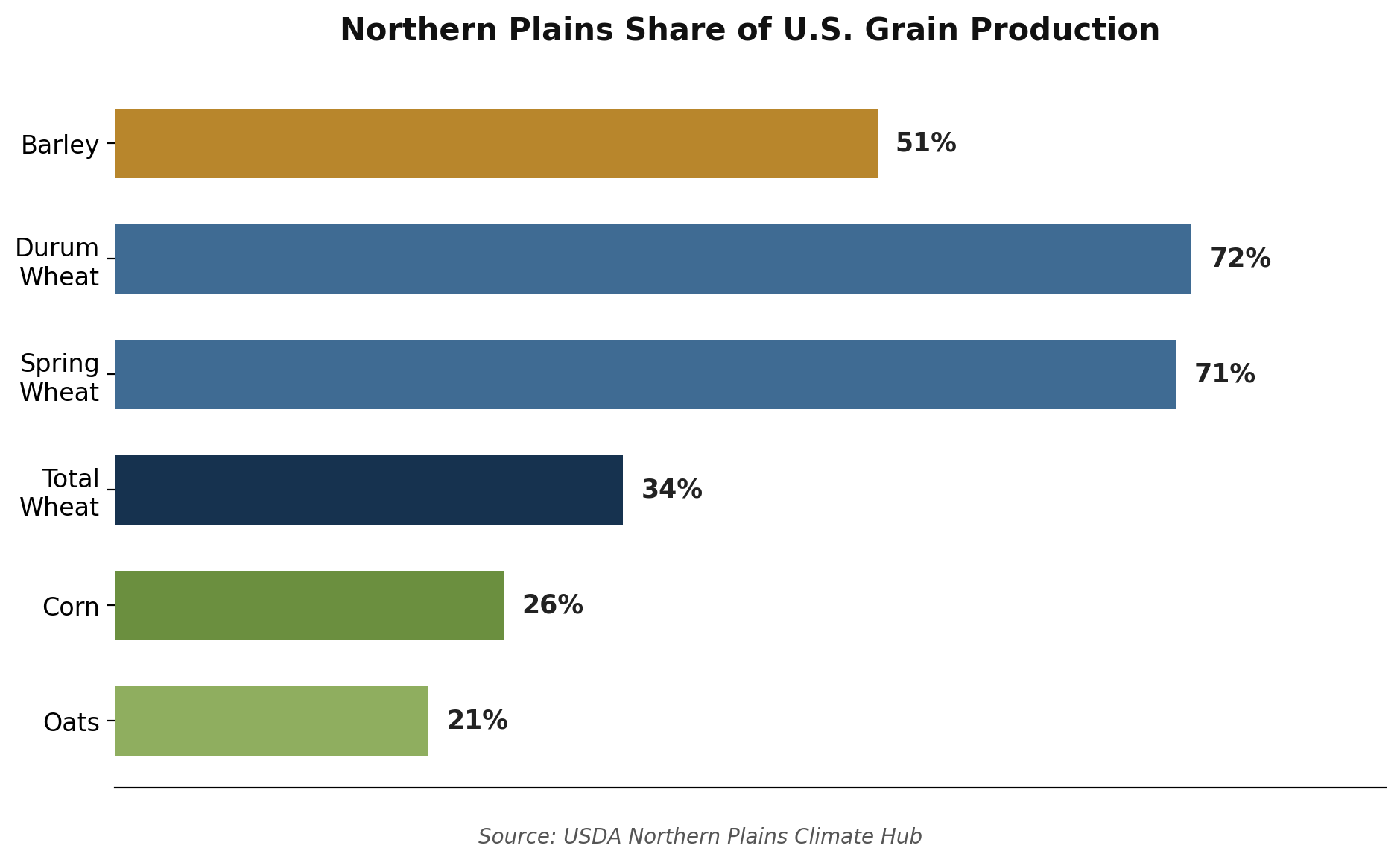
Genetics depend on geography just as much as breeding. A growing region’s soil composition, irrigation access, and seasonal temperature patterns interact with a variety’s genetic potential to determine the grain constituents that reach a processing facility. The Northern Plains, which includes Nebraska, contains 25 percent of total U.S. cropland and 26 percent of its irrigated lands, according to the USDA Northern Plains Climate Hub. That concentration of irrigated acreage matters for specialty crops because consistent soil moisture during grain-filling periods directly affects starch development, protein content, and kernel uniformity. Climate variability in the region presents an ongoing challenge, since shifting temperature patterns and changes in water availability require farmers to adapt through localized genetic selection and crop sequencing to protect the quality benchmarks that specialty buyers depend on.
Common Food Uses for Specialty Grains
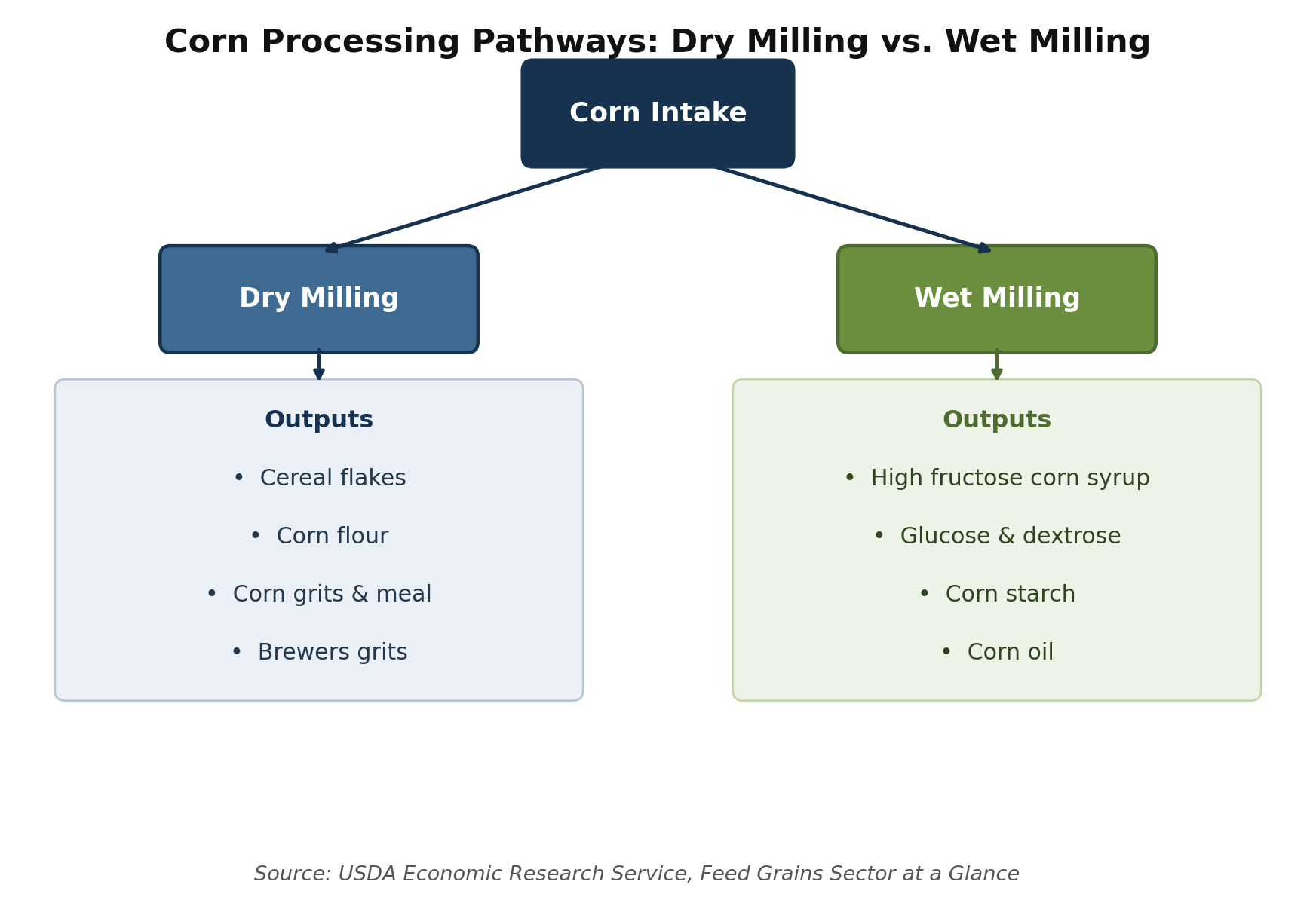
Processing pathways dictate value. Across food manufacturing, the primary applications break down into a handful of distinct routes:
- Dry milling of corn produces flakes for cereal, corn flour, corn grits, corn meal, and brewers grits for beer production.
- Wet milling of corn yields high fructose corn syrup, glucose, dextrose, starch, and corn oil, each requiring specific starch and moisture profiles at intake.
- High-value wheat fractions are developed to produce vital gluten, high-selenium bran, and whole white wheat, increasing both nutritional and economic value.
- Oats and sorghum serve distinct roles. Oats are analyzed for nutritional and dietary fiber composition to enhance their use in the food supply, while sorghum’s end-use value depends on interactions among physical grain traits, chemistry, and cooking or processing technique.
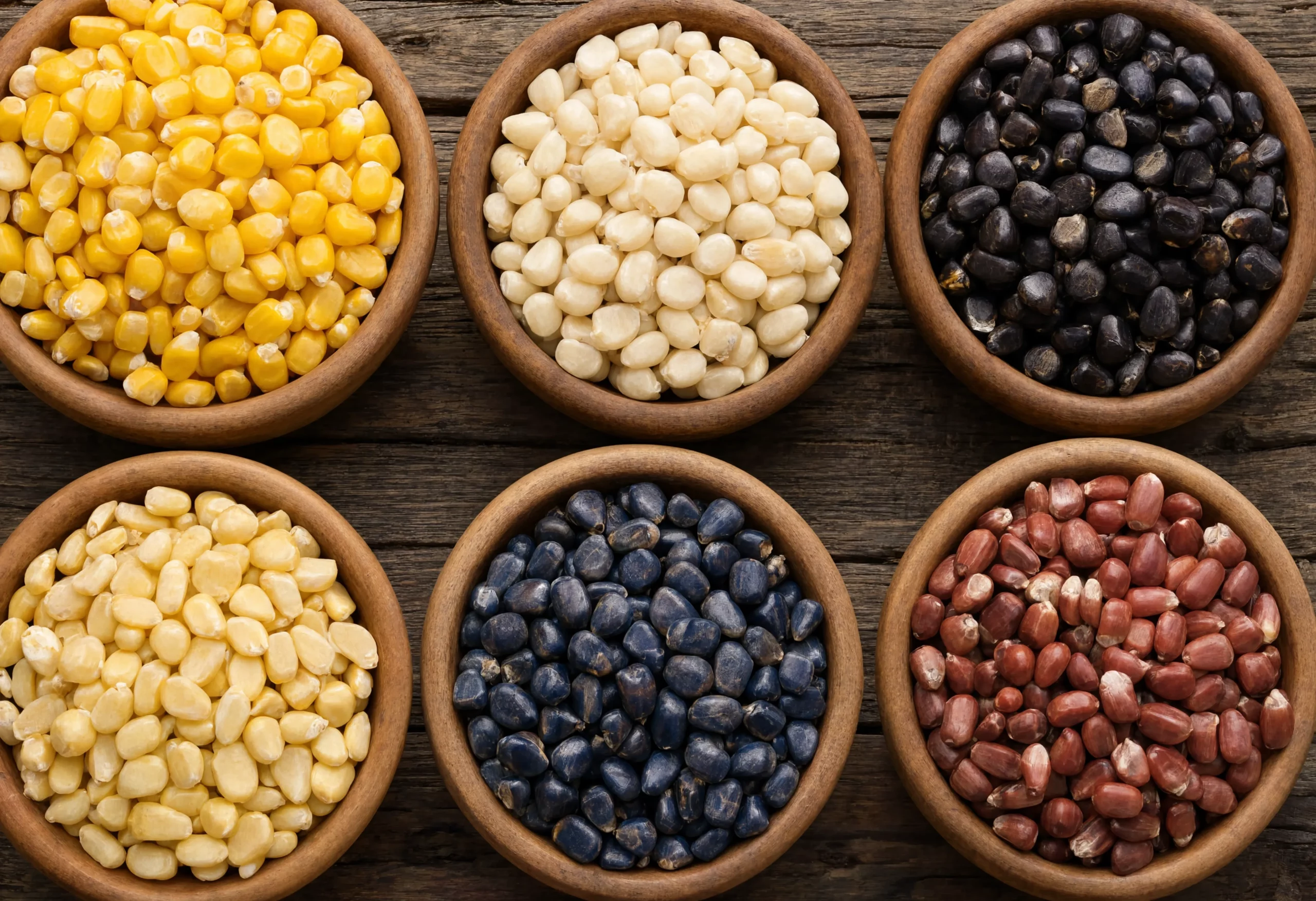
- Yellow, white, blue, purple, pink, waxy, and flint corn varieties are processed into specialized ingredients for the snack and tortilla industries, where kernel color and starch composition are non-negotiable specifications.
Specialty Corn, Organic Grain, and Non-GMO Options
Among specialty corn varieties, the distinctions between yellow dent, white, blue, and waxy corn extend well beyond color. Waxy corn’s starch profile, dominated by amylopectin rather than amylose, produces different texture and stability characteristics in food applications than standard dent corn. The exact starch composition differences between waxy and standard dent corn must be verified through lot-specific Certificate of Analysis documentation, since these ratios vary by variety and growing season. For manufacturers requiring USDA Organic, non-GMO Project Verified, or Kosher certification, the sourcing chain must maintain variety segregation from seed through delivery, a requirement that rules out most commodity grain channels entirely.
For food manufacturers requiring strict variety purity and documented quality, understanding the role of identity preservation is critical to protecting a finished product’s label claims.
Specialty Grain Applications by Industry
Food manufacturers evaluate specialty grains for rheological and functional traits that directly affect processing behavior and finished product quality. Specific wheat varieties are assessed for their performance in Asian noodles, tortillas, pizza dough, and flatbreads, applications where protein content, gluten strength, and water absorption interact in ways that make variety substitution technically risky, according to the USDA National Agricultural Library. Corn fractions are processed to develop new food ingredients, nutraceuticals, and bioactive food agents, with research focused on creating blends with enhanced proteins, dietary fiber, and bioactive constituents. The range of specialty corn varieties available through identity-preserved supply chains gives food manufacturers access to specific starch and pigment profiles that commodity channels cannot reliably deliver.
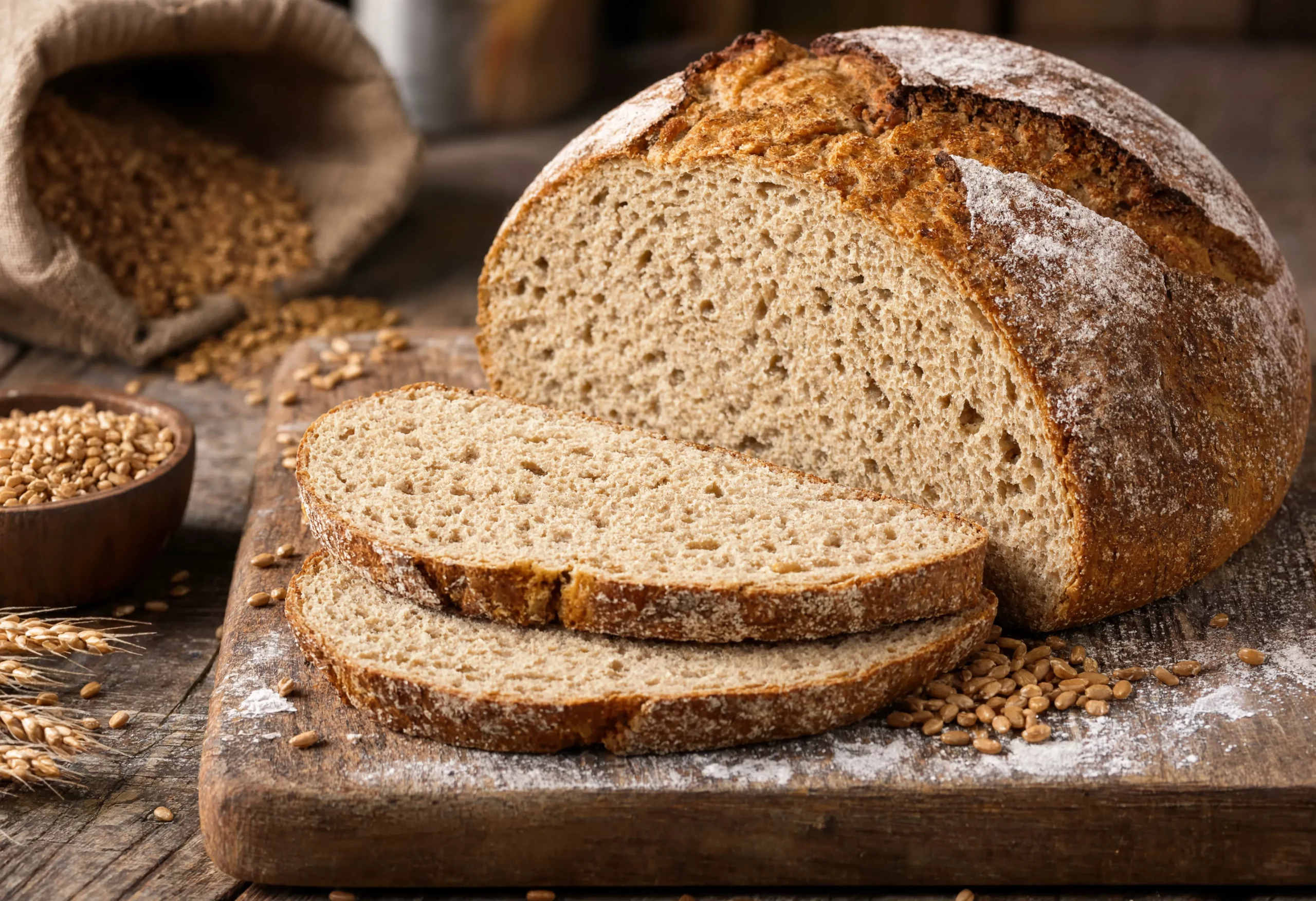
Artisan and commercial bakers rely on this same principle when specifying whole wheat and specialty wheat fractions for bread production. The protein content and gluten strength of a given wheat lot determine crumb structure, crust development, and shelf stability, which is why bakeries sourcing at volume request the same lot-level documentation that a snack food processor would demand of specialty corn.
Waxy corn’s functional properties in food texture applications depend on its starch composition, specifically the ratio of amylopectin to amylose. Standard moisture content and physical hardness parameters required for optimal dry milling of specialty corn varieties must be verified through lot-specific Certificate of Analysis documentation, as these parameters are not uniform across growing seasons or geographic origins. Manufacturers who specify waxy corn for starch-intensive applications, such as retort-stable sauces, frozen food matrices, or confectionery coatings, need supplier documentation that goes beyond a generic grain spec sheet.
Specialty Grains in Beverage Production
Commercial brewers and craft producers use specialty grains in two distinct ways: as malted base grains that provide fermentable sugars, and as specialty additions, steeped or mashed, to contribute color, flavor, and body without meaningfully increasing fermentable sugar content. Steeping specialty grains, meaning soaking crushed grain in hot water before the main mash, extracts soluble compounds including melanoidins, dextrins, and roasted flavor precursors that define a beer’s sensory profile. Specific malts carry precise functional signatures: biscuit malt delivers a warm, toasted aroma and golden color, a de-husked dark malt adds deep color and smooth roasted character without the harsh bitterness that husked dark malts can introduce, and a Munich-style malt enhances body, malt aroma, and deep amber color.
Maintaining lot-level traceability for these malts is the mechanism that ensures batch-to-batch consistency. For brewers requiring verified non-GMO status, identity-preserved handling programs provide the documented chain of custody that PCR verification alone cannot establish.
Dry-milled specialty corn produces brewers grits, which function as adjuncts in commercial brewing by contributing clean fermentable sugars and body stability without introducing off-flavors. For clean-label beers, brewers require strict variety segregation and PCR verification to confirm non-GMO status, a requirement that extends to every ingredient in the grain bill, not just the base malt. Every shipment should be accompanied by a Certificate of Analysis verifying food-grade specifications including moisture content, foreign material limits, and mycotoxin levels.
Common brewing grain categories and what each contributes to a finished beer:
- Biscuit-style malt: provides a warm, toasted aroma and golden color, used in ales, lagers, and amber styles.
- De-husked dark malt: adds deep dark color and smooth roasted flavor without harsh bitterness, suited for dark lagers, stouts, and porters.
- Munich-style malt: enhances body, malt aroma, and deep amber color, a foundational malt in Marzen and bock styles.
- Brewers grits: derived from dry-milled specialty corn, providing clean fermentable sugars and body stability as a brewing adjunct.
Specialty Grains for Animal Feed and Industrial Uses
Corn’s dominance in the feed grain sector reflects its energy density and processing versatility. Corn accounts for over 95 percent of total feed grain production and use in the United States, with livestock feed representing approximately 40 percent of total domestic corn consumption, serving as the primary energy ingredient for cattle, hogs, and poultry. Sorghum, barley, and oats fill specific niches in feed formulations where regional availability or nutritional profiles make them preferable to corn, but none approaches corn’s scale in the domestic market.
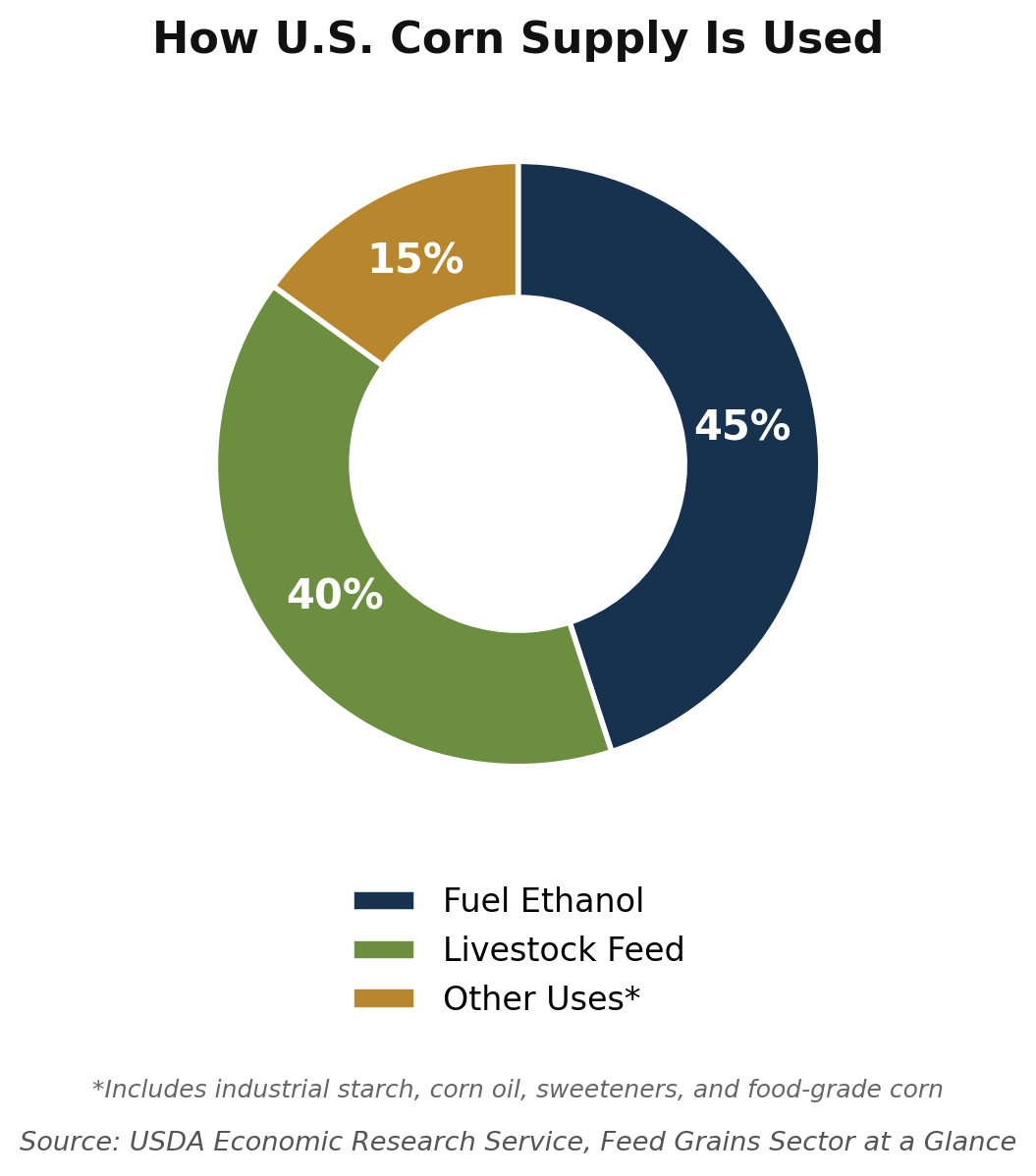
On the industrial side, wet milling of corn produces industrial starch, industrial alcohol, and fuel ethanol, with fuel ethanol now accounting for nearly 45 percent of total corn use in the U.S. Agricultural feedstocks and processing byproducts are also the subject of active research for biochemical conversion into bio-based products, including bio-based plastics and surfactants, as renewable alternatives to environmentally persistent industrial polymers. For high-volume processors and industrial manufacturers, supply chain reliability is non-negotiable, since even short delays can halt a production run. Contracted bulk grain programs secure annual volume with full lot traceability and flexible shipping options built in.
How Buyers Choose the Right Grain Type
When to Source Specialty Grains From a Dedicated Supplier
The decision to source specialty grains from a dedicated supplier rather than a commodity channel comes down to whether your process can tolerate the variability that commodity channels introduce. If your formulation depends on a specific starch profile, a certified non-GMO status, or a documented lot history for regulatory compliance, commodity grain cannot meet that requirement by definition.
- Ancient grains vs. specialty grains: Ancient grains such as amaranth, quinoa, teff, millet, and buckwheat have remained largely unchanged for millennia and carry distinct nutritional profiles valued in health-oriented consumer products. Specialty grains such as white, blue, pink, or waxy corn and specific wheat fractions are selected or bred for defined functional properties and produced at commercial scale for manufacturing applications. The sourcing requirements, certification pathways, and processing infrastructure for each category differ substantially.
- Functional properties: Evaluate starch profiles (amylose versus amylopectin ratios), kernel hardness (flint versus dent), and protein content relative to your process requirements. Moisture content and physical hardness parameters for optimal dry milling of specialty corn varieties must be verified via lot-specific Certificate of Analysis documentation, since these figures vary by variety and season.
- Certifications: Verify USDA Organic, SQF, Kosher, and non-GMO Project Verified status before contracting. Each certification carries its own audit trail and documentation requirements that must align with your compliance obligations.
- Every shipment from a qualified supplier should include a Certificate of Analysis confirming food-grade specifications and lot traceability, not as a courtesy, but as a baseline condition of purchase.
Sourcing from central Nebraska, where the Ogallala aquifer supports consistent irrigation for specialty crops, functions like using a centralized logistics hub. It enables efficient nationwide distribution via truckload, tote, and rail while reducing the geographic variability that affects grain quality in more climatically exposed regions. A commitment to sustainable, well-managed farmland reflects the operational reality that long-term supply reliability depends on the agronomic health of the land producing the grain, not just the equipment that processes it afterward.
Frequently Asked Questions
What are specialty grains?
Specialty grains are crops with specific genetic, physical, or chemical traits grown for defined end-use applications rather than bulk commodity markets. Examples include yellow, white, blue, pink, and waxy corn varieties, each with distinct starch profiles and pigment characteristics, as well as high-value wheat fractions developed for vital gluten production, high-selenium bran, or whole white wheat applications. Unlike commodity grains priced on volume, specialty grains carry value tied to variety purity, certification status, and documented processing performance.
What is the difference between ancient grains and specialty grains?
Ancient grains, including quinoa, amaranth, teff, millet, and buckwheat, have remained genetically stable for thousands of years and are valued primarily for their nutritional density and consumer recognition in health-oriented markets. Specialty grains, by contrast, are selected or bred for specific functional properties, such as waxy corn’s amylopectin-dominant starch profile, blue corn’s natural pigments, or specific wheat varieties’ gluten strength in tortilla applications. The distinction matters for procurement because the two categories occupy different supply chains, certification frameworks, and processing infrastructure.
How are specialty grains used in commercial food manufacturing?
Food manufacturers use specialty grains through two primary processing pathways. Dry milling produces flour, grits, and meal for snacks, cereals, and baked goods, and requires specific kernel hardness at intake. Wet milling yields starches, oils, and syrups, including high fructose corn syrup and industrial starch, for a wider range of food and industrial applications. Every shipment entering a food manufacturing facility should include a Certificate of Analysis verifying food-grade specifications before it reaches the production floor.
Why are specialty malts used in brewing?
Specialty malts provide color, flavor, and body characteristics that base malts cannot deliver on their own. Steeping specialty grains extracts soluble compounds, including melanoidins, dextrins, and roasted flavor precursors, that define a beer’s sensory profile without adding significant fermentable sugars. A Munich-style malt builds amber color and malt body, a de-husked dark malt delivers color and smooth roast character without bitterness, and a biscuit-style malt contributes toasted aroma and golden color. For IPAs and other hop-forward styles, specialty malts provide the malt backbone that balances bitterness and supports head retention.
What are the benefits of sourcing specialty grains from a certified supplier?
Certified suppliers reduce procurement risk across three dimensions: quality consistency, audit-ready compliance, and supply chain transparency. USDA Organic, SQF, and Non-GMO Project Verified certifications provide documented assurance that the grain meets your label claims, but only if the supplier maintains variety segregation and lot traceability through the entire supply chain. Proactive mycotoxin testing is another critical differentiator, since suppliers who test every lot and provide results with the Certificate of Analysis give buyers the documentation needed for regulatory compliance and internal quality audits. The grain’s physical and chemical traits determine your product’s performance, while the supplier’s documentation practices determine your compliance posture.
Choosing a specialty grain supplier is a risk management decision as much as a procurement one. Clark Specialty Grains has operated from Gothenburg, Nebraska, since 2003, building a supply chain centered on food-grade specifications, lot traceability, and Certificate of Analysis verification for every shipment. The operational discipline that identity preservation requires, including variety segregation, documented chain of custody, and certified testing, is what separates a supplier who can substantiate your label claims from one who can only approximate them.
Ready to secure a supply of identity-preserved, food-grade grains? Contact our team to discuss your contract requirements, or learn more about Clark Specialty Grains and the varieties currently available.