
Food-Grade Grain Supplier for Certified and Quality-Controlled Grain Programs
Clark Specialty Grains operates as a dedicated food-grade grain supplier for food manufacturers, ingredient processors, specialty millers, and bulk distributors who need grain that meets the documentation, handling, and quality standards required for human food production. Food-grade grain sourcing is not interchangeable with commodity purchasing. Buyers must evaluate moisture content, test weight, foreign material, storage history, handling protocols, lot traceability, and safety testing before a load is suitable for food and ingredient use. Our programs are built around those requirements from the first conversation through final delivery. As part of our complete organic grain supply operation, we supply food-grade grain across multiple species and varieties, including wholesale corn grains, soybeans, wheat, oats, and specialty grains with organic, non-GMO verified, and conventional options available.
If your operation requires verified food-grade grain with audit-ready documentation and consistent quality across every shipment, contact our team to discuss a program built around your specifications.
What Makes a Qualified Food-Grade Grain Supplier
Systems, Standards, and Supply Chain Accountability That Protect Your Production
A qualified food-grade grain supplier brings more to the relationship than grain availability. They bring documented quality systems, grower accountability, cleaning and testing capabilities, food-safe handling infrastructure, and the documentation practices that allow your procurement and quality teams to verify every load before it enters your process. The FDA’s FSMA Preventive Controls for Human Food rule establishes the regulatory framework that food-grade ingredient suppliers must be able to support. Our programs are structured to align with those expectations.
What Our Food-Grade Grain Programs Provide
- Clear grain specifications agreed upon before sourcing begins, covering moisture, test weight, purity, and any program-specific parameters
- Reliable grower and supplier relationships with documented production and handling histories
- Multi-stage grain cleaning using aspiration, gravity separation, color sorting, and metal detection
- CO2 grain treatment providing a no-live-bugs guarantee without chemical fumigants
- Segregated storage and handling for organic, non-GMO, and identity preserved programs
- Lot-level traceability records maintained from origin through delivery
- Pre-shipment documentation packages including COA, applicable certificates, and testing results
- SQF-compatible, Kosher-compatible, and Gluten-Free-compatible handling protocols available
Food-Grade Grain Standards, Testing, and Compliance
Matching Quality Parameters to Your Processing Method and End-Use Application
Food-grade grain quality standards are not universal. They vary by grain type, intended processing method, end product, customer specification, and applicable certification or regulatory requirements. We begin every program by understanding what the buyer actually needs before sourcing or committing supply.
Grain used for flour milling requires specific protein content, moisture, and test weight targets. Corn used for snack food production demands attention to kernel hardness, defect rates, color consistency, and processing behavior. Oats for cereal or ingredient use carry their own purity and hull-content requirements. Establishing the right quality baseline upfront prevents specification failures at receiving and protects your production schedule from unnecessary disruption.
Common Food-Grade Quality Parameters We Evaluate
- Moisture content: Influences storage stability, milling yield, and shelf life of finished products
- Test weight: Indicates kernel density and overall grain fill, a primary indicator of crop quality
- Foreign material: Must be within defined tolerances for food-grade processing equipment and safety
- Damaged kernels: Broken, diseased, and heat-damaged kernels are evaluated against specification thresholds
- Mycotoxin levels: Aflatoxin and other mycotoxin testing when required by the program or end use
- Protein content: Critical for wheat and soy applications where protein drives functional performance
- Color and variety characteristics: Evaluated for specialty corn and identity preserved programs
- Certification status: Organic, non-GMO, and identity preserved verification documentation
For buyers who need to understand how mycotoxin testing works and what the results mean for their program, our blog post on mycotoxin testing in grains provides a plain-language explanation of the testing process and how results are applied to food-grade sourcing decisions.
Grain Cleaning, Testing, and Quality Assurance for Food-Grade Programs
Multi-Stage Processing That Delivers Grain Ready for Food Manufacturing
Every food-grade grain load we ship passes through a multi-stage cleaning and inspection process before it reaches your receiving dock. Clean grain is not an assumption in our programs. It is a documented, measurable outcome produced by equipment and protocols designed specifically for food-grade handling requirements.
Our Processing and Inspection Equipment
- Over and under screens for size-grade separation and removal of oversized foreign material
- Aspiration systems to remove dust, chaff, and light debris
- Rare earth magnets for metallic contaminant removal
- Forsberg gravity tables for density-based separation of light or damaged kernels
- Forsberg D-stoner for removal of stones, glass, and heavy foreign material
- Satake Evo 800 color sorter with Shape Technology for defect and off-color kernel rejection
- Safeline metal detector at final inspection stage before loading
CO2 Grain Treatment for Pest-Free Delivery
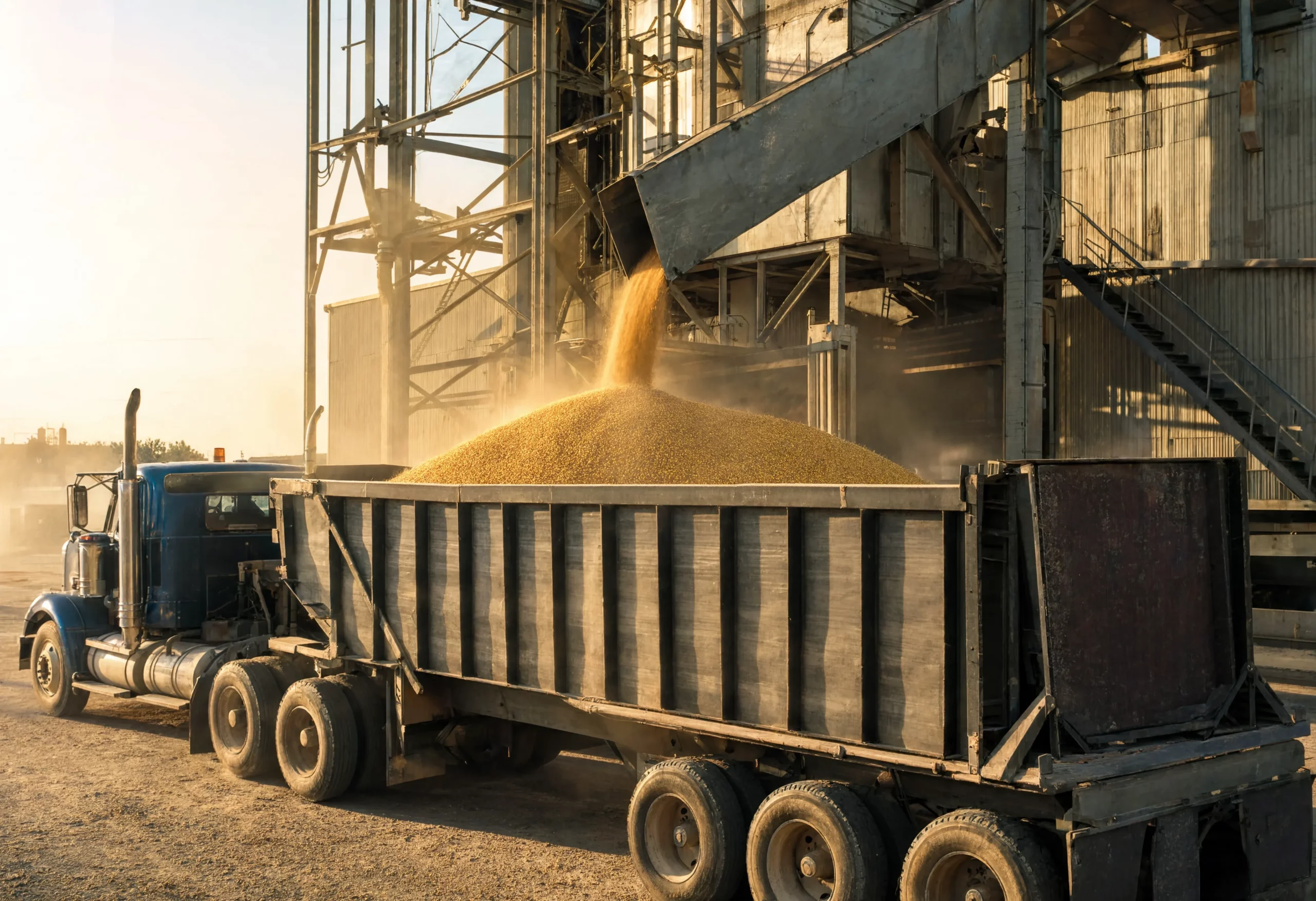
Our CO2-based grain treatment system eliminates insect activity without chemical fumigants or phosphine gas. This is especially critical for organic-certified food-grade grain, where post-harvest chemical use can compromise certification status. Every load we deliver carries a no-live-bugs guarantee supported by CO2 treatment documentation.
For buyers managing ongoing food safety programs, our grain traceability systems provide the lot-level documentation backbone that supports FSMA compliance, internal audits, and customer verification requirements. Read our overview of how grain traceability systems work for a detailed breakdown of how we track and document each lot from intake through shipment.
Food Safety Documentation and Regulatory Alignment for Every Shipment
Audit-Ready Records That Support Your Quality Team and Compliance Program
Documentation is not an afterthought in our food-grade grain programs. It is built into the sourcing and handling process from the start so that every load ships with the records your procurement team needs to approve receipt and your quality team needs to satisfy audits, certification bodies, and retail customers.
We recognize that procurement and quality teams often need different types of information. Procurement focuses on availability, pricing, volume, and delivery timing. Quality assurance needs specification confirmations, testing data, certification records, and traceability details. We support both sides of the buying relationship with organized documentation that does not require your team to chase paperwork after a load arrives.
Standard Documentation Available with Every Food-Grade Grain Shipment
- Certificate of analysis covering moisture, test weight, purity, and program-specific quality parameters
- Lot identification and traceability records linking the shipment to its originating field and crop year
- USDA organic certificate for certified organic grain programs
- PCR-based non-GMO test results and supplier declarations for non-GMO verified programs
- Mycotoxin test results when specified by the program or required by the end use
- Chain-of-custody records for identity preserved grain programs
- Bill of lading and shipment documentation for receiving and accounts payable
For buyers who need a deeper understanding of what identity preservation means in the context of food-grade documentation, our post on what identity preserved grains means explains the chain-of-custody framework and how it supports food safety programs.
Food-Grade Grain Varieties We Source and Supply
Corn, Soybeans, Wheat, Oats, Barley, and Specialty Grains for Food Manufacturing
Our food-grade grain supply covers a range of species and varieties, with corn as our most extensive and deeply documented offering. For buyers who need multiple grain types under a single supplier relationship, we manage sourcing, quality control, and documentation consistently across species.
Primary Food-Grade Grain Offerings
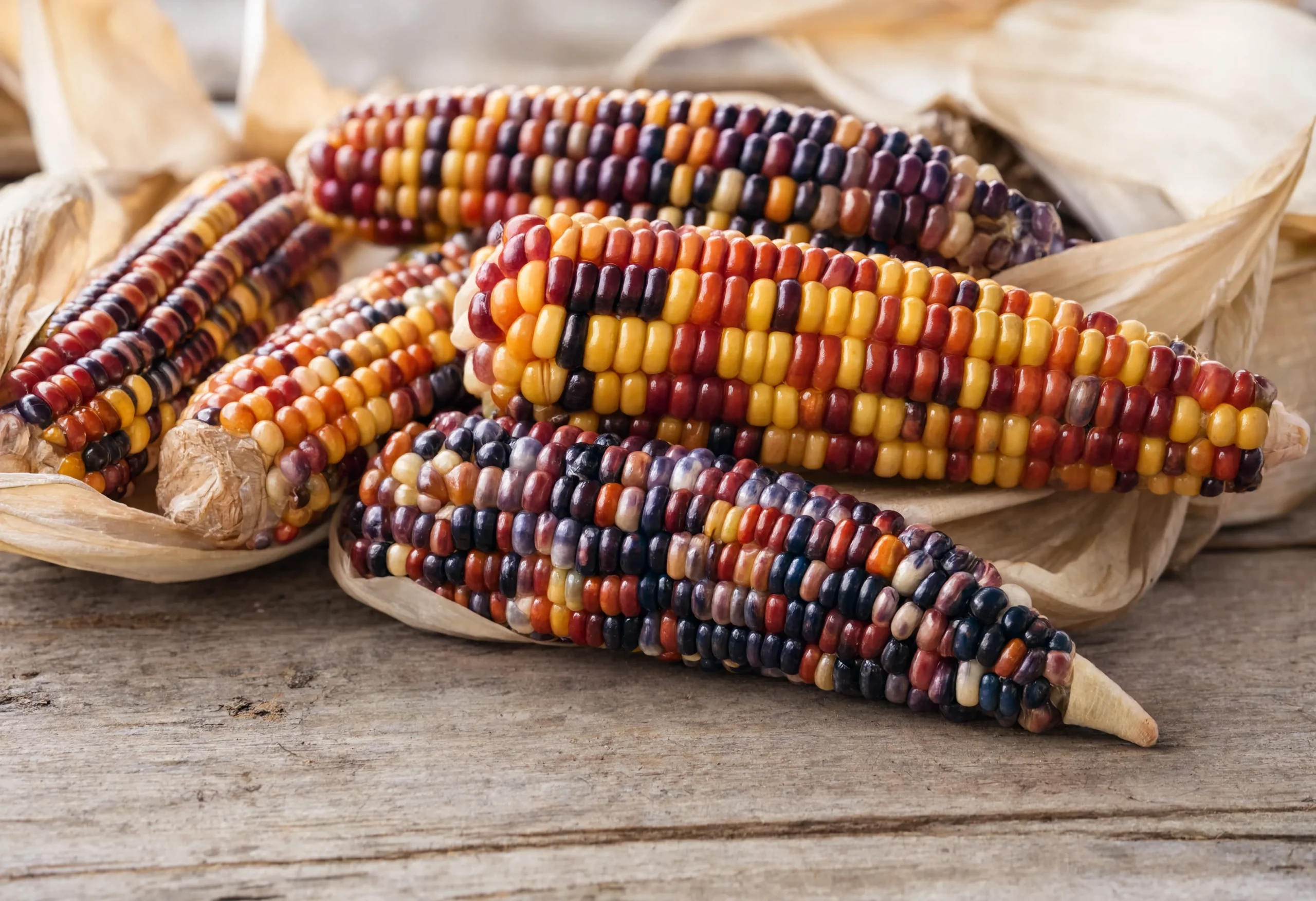
- Food-grade corn: Yellow, white, blue, and pink varieties available with organic certification, non-GMO verification, or both. Our most extensively processed and documented grain. See our specialty corn varieties page for a detailed breakdown of each variety’s applications and specifications.
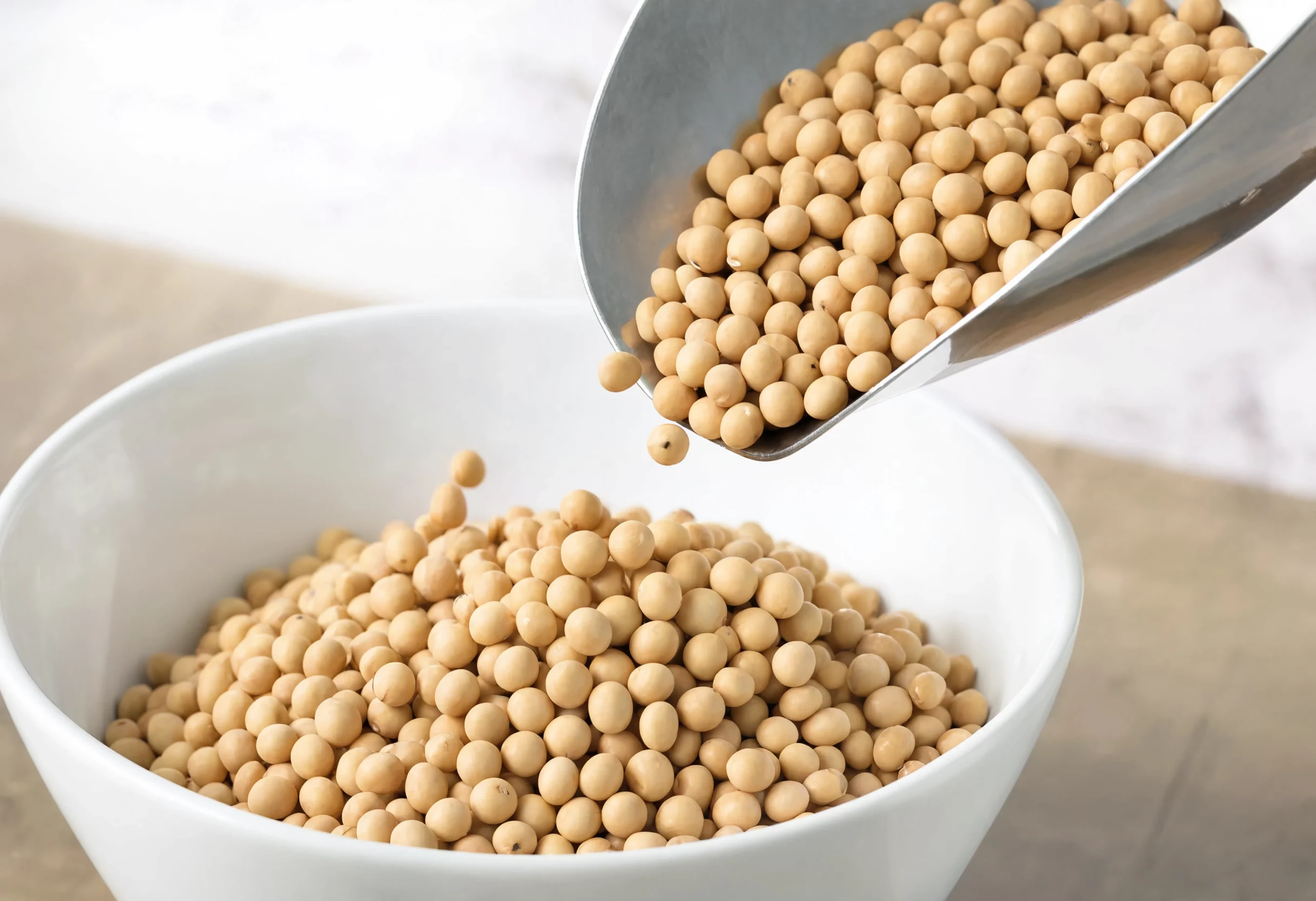
- Food-grade soybeans: Available for food, ingredient, and specialty processing applications with non-GMO and organic options
- Food-grade wheat: For flour milling, baking, and further processing with protein and moisture specifications available
- Food-grade oats: For cereal, baking, and ingredient production
- Food-grade barley and rye: For brewing, fermentation, milling, and specialty ingredient applications
- Specialty and heritage grains: Available through identity preserved programs based on current crop year supply and grower network capacity
All grain varieties in our food-grade programs are available with lot-level traceability and pre-shipment COA documentation as a baseline. Organic certification, non-GMO verification, and identity preservation are available as program additions. Contact our team to confirm current availability, minimum quantities, and documentation options for any grain type.
What Makes Clark Specialty Grains a Reliable Food-Grade Grain Supplier
Working with a Dedicated Food-Grade Grain Supplier: What to Expect from Every Program
At Clark Specialty Grains, our role is to bridge the gap between grower production and food manufacturing. That means managing sourcing relationships, quality control, handling protocols, documentation systems, and logistics so your procurement team has a single accountable partner from order to delivery.
Food manufacturers often discover through experience that the quality of their supplier relationship determines the quality of their supply chain. A supplier who does not return calls, ships incomplete documentation, or provides inconsistent COA results creates downstream production risk that is difficult to quantify until something goes wrong. Our programs are structured to eliminate those risks through clear specifications, proactive communication, and documentation that is ready before the truck leaves our facility.
Operational Commitments in Every Food-Grade Program
- Specifications established and confirmed before sourcing begins, not after receiving
- Pre-shipment documentation prepared and available for review before loading
- CO2 treatment with no-live-bugs guarantee on every food-grade shipment
- Segregated handling for all certified and verified grain programs
- Responsive communication with both procurement and quality teams throughout the program
- Lot-level traceability records maintained for the full chain of custody
- SQF-compatible, Kosher-compatible, and Gluten-Free-compatible handling available upon request
For buyers managing both food-grade and bulk logistics needs, our bulk grain supply page covers packaging formats, freight coordination, and shipping options across all programs we manage.
Grain Handling and Storage Practices for Food-Safe Delivery
Protecting Food-Grade Quality from Intake Through Final Shipment
High-quality grain loses its food-grade status quickly when exposed to poor storage conditions, pest activity, cross-contamination, or moisture fluctuations. Our handling and storage protocols are designed to protect grain integrity at every point between intake and loading, regardless of how long the grain is held before shipment.
Key Handling and Storage Protocols
- Clean storage environments with documented inspection and maintenance schedules
- Dedicated bins for certified organic, non-GMO verified, and identity preserved grain lots
- Equipment cleaning and inspection between lots with documented clearance records
- CO2 treatment for pest elimination without chemical fumigants
- Moisture monitoring throughout storage to protect grain stability
- Controlled loading procedures including final inspection and sampling before sealing
- Truck and railcar coordination that supports food-grade transport conditions
For buyers who need to understand how moisture management affects food-grade grain quality over time, our post on optimal grain moisture content for storage walks through the key thresholds and what happens when grain is stored outside the safe range.
Frequently Asked Questions About Food-Grade Grain Supply
What does food-grade grain mean?
Food-grade grain is grain intended for human food or ingredient use. It must meet quality, cleanliness, handling, and documentation standards appropriate for the intended application. Food-grade grain is evaluated against specifications for moisture, test weight, foreign material, damaged kernels, and safety parameters such as mycotoxin levels, and must be handled and stored in conditions that protect it from contamination between origin and delivery.
How is food-grade grain different from commodity grain?
Commodity grain is bought and sold for broad market use with minimal specification requirements. Food-grade grain is sourced and evaluated against stricter quality parameters, cleanliness standards, documentation requirements, and handling protocols designed specifically for food production. Food-grade programs also typically include lot-level traceability and documentation to support buyer audits and regulatory compliance.
What types of food-grade grains do you supply?
We supply food-grade corn in yellow, white, blue, and pink varieties as our primary offering, along with food-grade soybeans, wheat, oats, barley, rye, and other specialty grains depending on availability and buyer requirements. Organic, non-GMO, and identity preserved options are available for most grain types.
What documentation comes with a food-grade grain shipment?
Documentation varies by program but typically includes a certificate of analysis covering moisture, test weight, and purity; lot traceability records; applicable organic or non-GMO certificates; mycotoxin test results when specified; bills of lading and shipment records; and chain-of-custody documentation for identity preserved programs. We tailor documentation packages to match each buyer’s audit and quality system requirements.
Do you test for mycotoxins in food-grade grain?
Yes. Mycotoxin screening, including aflatoxin testing, is available as part of our food-grade grain COA package. Testing is coordinated through accredited third-party laboratories and results are included in pre-shipment documentation. Our CO2 grain treatment system also significantly reduces conditions favorable to mold growth and mycotoxin development during storage. Read more in our post on mycotoxin testing in grains.
Can you supply food-grade grain in bulk quantities?
Yes. We supply food-grade grain in 50-pound bags, 2,000-pound totes, full truckload hopper trailers, and railcar quantities. Availability and packaging options depend on grain type, volume, and program requirements. Contact our team to confirm current availability and lead times for your operation.
Do you supply food-grade grain with organic or non-GMO certification?
Yes. Our food-grade grain programs include USDA-certified organic options, non-GMO verified options, and dual-certified programs depending on grain type and current crop year availability. All certified grain ships with the appropriate third-party documentation including organic certificates and PCR-based non-GMO test results.
Request a Quote from a Trusted Food-Grade Grain Supplier
Clark Specialty Grains works with food manufacturers, ingredient processors, specialty millers, co-packers, and bulk distributors across the country. From a single truckload of food-grade organic yellow corn to a multi-species, multi-season contracted program, we build supply solutions around your quality requirements, documentation standards, and delivery schedule.
Browse our full range of certified organic grains, explore our bulk grain supply capabilities, or review our specialty corn variety options. Our team responds quickly and can provide grain availability, program structure, specification options, and pricing information based on your specific sourcing needs.
Submit an inquiry online or call us at (308) 537-2004. We look forward to building a food-grade grain supply relationship your quality team can rely on.