
Specialty Corn Varieties for Food-Grade Manufacturing and Ingredient Applications
Clark Specialty Grains sources and supplies a full range of specialty corn varieties for food manufacturers, ingredient processors, specialty millers, snack producers, and branded food companies that need differentiated corn with verified quality, reliable supply, and proper documentation. Specialty corn is selected for specific traits that commodity yellow corn cannot provide, including natural kernel color, unique starch composition, endosperm texture, milling performance, and nutritional profile. As part of our broader certified organic grain supply operation, most of our specialty corn varieties are available with USDA organic certification, non-GMO verification, or both, depending on current crop year availability.
Whether you are scaling a flagship chip product, sourcing a heritage grain flour, or building a clean-label ingredient program, our team works to match your specification to the right variety, documentation package, and supply structure. Browse our variety overview below or contact our sourcing team to discuss current availability and program options.
Our Specialty Corn Varieties: Yellow, White, Blue, Pink, Red, and Functional Options
A Guide to Each Variety and Its Primary Food-Grade Applications
Each specialty corn variety in our supply program has distinct physical characteristics, processing behaviors, and end-use advantages. The USDA Agricultural Marketing Service corn grading standards define the baseline quality parameters all of our corn is evaluated against before shipment, with additional variety-specific and program-specific requirements applied on top. Here is an overview of what each variety delivers and where it performs best.
Yellow Corn
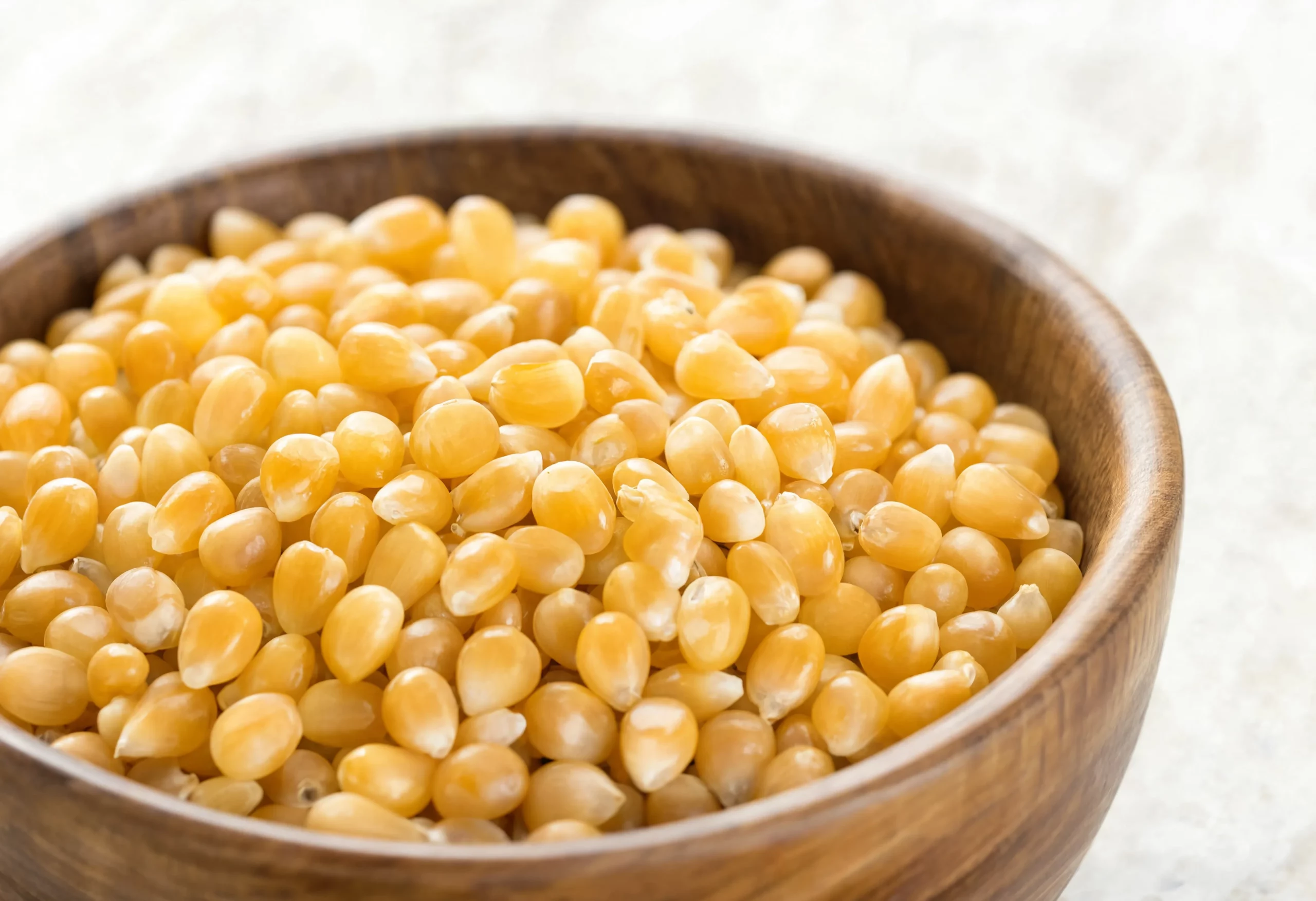
The most broadly available and widely applied specialty corn variety, yellow corn delivers consistent starch content, bright carotenoid color, and reliable processing behavior across a wide range of applications. It is the standard input for dry-milled products, extruded snacks, and masa-based tortilla production where a golden color and neutral flavor profile are expected.
- Corn chips, puffs, and extruded snacks
- Dry-milled cornmeal, grits, and flour
- Masa and tortilla production
- Brewing adjuncts and distilling mash
- Breakfast cereals and grain blends

White Corn
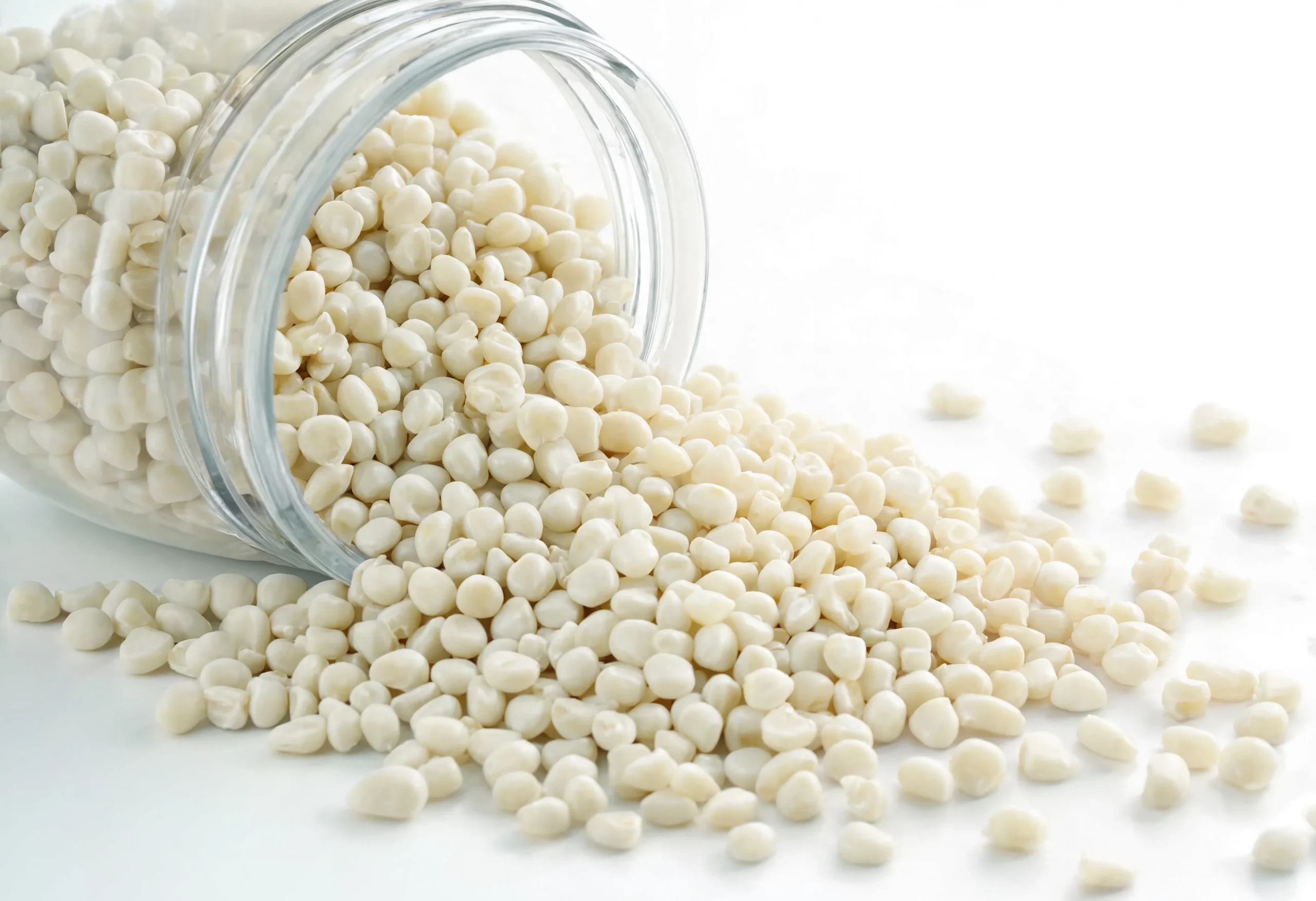
White corn is the traditional choice for masa harina, stone-ground tortilla flour, and hominy applications where a neutral, clean-color base is required. Its lower carotenoid content means finished products display a lighter color than yellow corn equivalents, which is critical for certain retail and foodservice tortilla and chip product standards.
- Masa harina and tortilla flour
- Stone-ground white cornmeal
- Hominy and posole processing
- White corn chips and tostadas
- Light-colored snack and baking applications

Blue Corn
Blue corn is one of the highest-demand specialty corn varieties in the natural and premium food market. Its distinctive blue-to-purple kernel color comes from anthocyanin pigments concentrated in the pericarp and aleurone layers. Blue corn has a harder endosperm than yellow or white corn, which influences milling behavior, grind texture, and finished product performance. It is identity-preserved in our supply program to protect varietal consistency across orders.
- Premium blue corn tortilla chips and tostadas
- Specialty masa and artisan tamale dough
- Blue corn tortilla flour and stone-ground meal
- Heritage grain and natural coloring applications
- Craft distilling and specialty brewing

Pink Corn
Pink corn is a rare heritage variety with a rose-to-burgundy kernel color that requires no added dye or artificial coloring agent. Its natural visual distinction creates genuine shelf differentiation for premium branded snack and specialty grain products. Supply is limited and managed through identity preserved programs with dedicated acreage commitments.
- Premium tortilla chips and specialty snacks
- Heritage grain and heirloom flour blends
- Limited-batch and seasonal product launches
- Premium private-label food applications
Functional Specialty Corn Varieties for Processing and Ingredient Applications
Waxy Corn, Flint Corn, High-Amylose Corn, and Red Corn Options
Beyond color-based specialty varieties, we also source functional specialty corn types selected for starch composition, endosperm structure, or processing behavior. These varieties are used in applications where the physical or chemical properties of the corn directly influence manufacturing outcomes.
Waxy Corn
Waxy corn contains a starch profile of nearly 100 percent amylopectin, compared to the approximately 75 percent amylopectin found in standard corn. This unique composition delivers exceptional thickening stability, superior freeze-thaw performance, and film-forming properties that standard corn starch cannot replicate. Common applications include soups, sauces, salad dressings, processed foods requiring stable starch behavior, and industrial starch processing.
Flint Corn
Flint corn is characterized by a hard, vitreous endosperm with a thin layer of soft starch. This structure makes it highly resistant to breakage during handling and yields a coarser, more granular grind when milled. It is valued for polenta, coarse cornmeal, and artisan grits applications where texture and milling yield matter.
Red and Heritage Corn Varieties
Red corn and other heritage variety options are available through our network on a program basis. These varieties are sourced through identity preserved contracts and are best suited for specialty food brands, heirloom grain flour production, and ingredient programs where variety-specific storytelling supports product marketing. Contact our team to discuss current availability for red and heritage varieties.
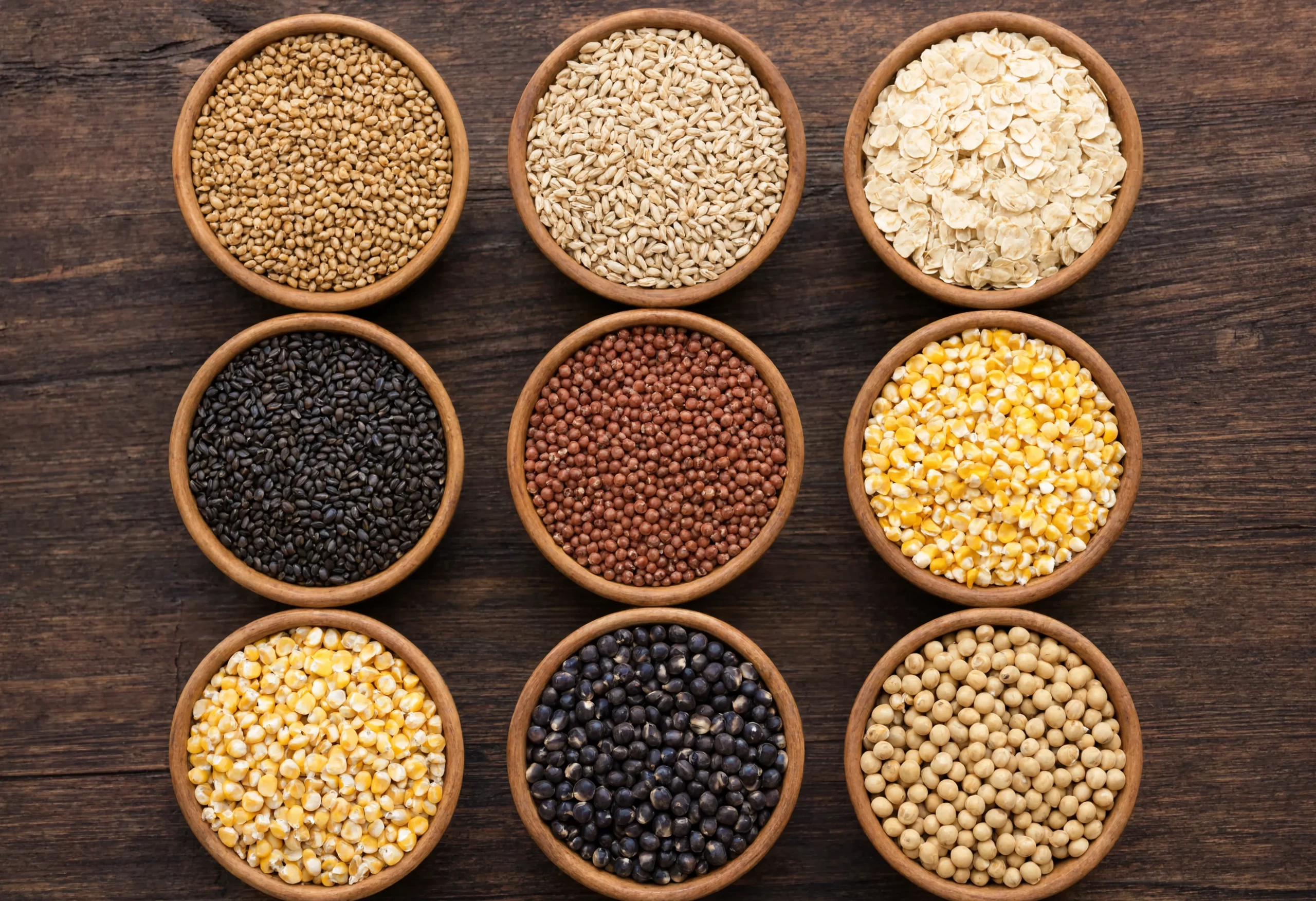
Nutritional Differences Across Specialty Corn Varieties
Anthocyanins, Carotenoids, Starch Profiles, and What They Mean for Your Product
Different specialty corn varieties contain distinct naturally occurring plant compounds, pigments, and nutritional compositions. These differences are relevant for product development, ingredient marketing, and label claim support, but buyers should verify specific nutritional claims through appropriate laboratory analysis rather than relying on general varietal descriptions alone.
Key Nutritional Distinctions by Variety
- Blue and red corn: Higher concentrations of anthocyanins, a class of flavonoid pigments associated with antioxidant activity. Color intensity is influenced by variety, growing conditions, pH during processing, and heat exposure.
- Yellow corn: Significant source of carotenoids including lutein and zeaxanthin, naturally concentrated in the endosperm. Carotenoid content varies by variety and growing conditions.
- White corn: Lower carotenoid and anthocyanin content than colored varieties, making it the preferred base for color-neutral formulations.
- Waxy corn: Starch composition is nearly all amylopectin, making it functionally distinct from standard corn regardless of color.
- High-amylose corn: Elevated resistant starch content supports applications targeting fiber enrichment and glycemic management.
For buyers developing products with specific nutrient, antioxidant, or starch claims, we recommend discussing testing and documentation requirements as part of the sourcing program. Our food-grade grain specifications page outlines the quality parameters and COA information we provide with every shipment as a baseline, with specialty testing available upon request.
How to Choose the Right Specialty Corn Varieties for Your Production Needs
Matching Variety Characteristics to Processing Method, End Product, and Label Requirements
Selecting the right specialty corn variety is not simply a matter of color preference. The variety you choose affects how the grain behaves during milling, cooking, extrusion, fermentation, or baking. It influences the appearance and texture of your finished product. It determines what certification and documentation your supply chain requires. And in markets where ingredient origin is part of the brand story, it shapes how your product is positioned to the consumer.
Questions to Consider Before Selecting a Variety
- Processing method: Are you dry milling, wet milling, extruding, nixtamalizing, fermenting, or using corn as a whole kernel ingredient? Each process responds differently to endosperm hardness, moisture content, and starch composition.
- Color requirements: How important is color consistency across production runs? Will color be retained or altered by your cooking or processing temperatures?
- Label claims: Do you need organic certification, non-GMO verification, identity preserved documentation, or a specific variety name on the label?
- Volume and supply continuity: Is this a specialty variety with limited acreage that requires a contracted program, or a more broadly available variety that can be spot purchased?
- Testing and documentation: What COA parameters does your quality team require, and does your retail or foodservice customer impose additional documentation standards?
Our sourcing team works through these questions with buyers before recommending a variety or structuring a program. For buyers who also need identity preservation across multiple corn types, our identity preserved grains program manages lot-level segregation and documentation for all specialty varieties we supply. For those sourcing bulk quantities of our most popular varieties, our wholesale corn grain supply page provides detailed specifications for yellow, white, blue, and pink corn.
Sourcing and Quality Standards for Specialty Corn Programs
Grower Selection, Segregation, Testing, and Documentation Built for Food Manufacturers
Sourcing specialty corn requires a more controlled process than purchasing standard commodity grain. Because specialty varieties may have limited available acreage, unique handling requirements, or strict identity preservation needs, buyers need a supplier that manages quality and traceability proactively rather than reactively.
At Clark Specialty Grains, we begin every specialty corn program by identifying the buyer’s full set of requirements, including variety, color standard, volume, quality parameters, certification needs, testing scope, delivery timing, and packaging format. From there, we align grower supply with those specifications and manage the supply chain through to delivery.
Our Specialty Corn Quality Program Includes
- Grower selection based on demonstrated specialty grain production experience and documented variety compliance
- Dedicated acreage contracts for high-demand varieties with limited supply availability
- Segregated storage and handling to prevent commingling and protect varietal integrity
- Multi-stage cleaning including color sorting, gravity separation, and metal detection
- Sampling and laboratory testing for moisture, test weight, purity, color, and program-specific parameters
- CO2 grain treatment for a no-live-bugs guarantee without chemical fumigants
- Pre-shipment COA and full documentation package prepared for every load
For buyers who need both specialty variety sourcing and ongoing bulk logistics support, our bulk grain supply page covers packaging formats, freight coordination, and shipping options across all programs.
Handling, Storage, and Processing Considerations for Specialty Corn
Protecting Varietal Integrity from Bin to Delivery
Proper handling and storage are critical for maintaining the quality and identity of specialty corn varieties. Unlike commodity grain that tolerates commingling, specialty corn must be protected at every transfer point to preserve its varietal characteristics and meet the documentation standards buyers require.
Handling and Storage Protocols We Apply
- Dedicated bins for each specialty variety, with cleaning and documentation between lots
- Equipment clearance protocols at every transfer point including receiving, cleaning, and loading
- Moisture management to protect grain stability and prevent mold development during storage
- CO2 treatment to eliminate live insect activity without chemical fumigation
- Controlled loading practices to prevent cross-contact with other grain species or varieties
- Final inspection and sampling before loading with results included in the pre-shipment documentation package
Processing Compatibility by Variety
The intended processing method should influence variety selection before a sourcing decision is made. Blue corn’s harder endosperm produces a coarser grind than yellow corn, which affects both equipment settings and finished product texture. Waxy corn requires specific milling approaches to extract its unique starch. White corn used for nixtamalization responds differently to cooking time and lime concentration than yellow corn. Our team can walk through processing compatibility for any variety in our program. You can also review our blog post on optimal grain moisture content for storage for additional context on how moisture management affects specialty grain quality.
Frequently Asked Questions About Specialty Corn Varieties
What are specialty corn varieties?
Specialty corn varieties are corn types selected or bred for specific traits beyond standard commodity yellow corn. These traits may include kernel color, starch composition, endosperm texture, milling performance, flavor, nutritional profile, or visual appeal. Examples include blue corn, white corn, pink corn, red corn, waxy corn, flint corn, and high-amylose corn.
What is the difference between blue corn and yellow corn?
Blue corn gets its distinctive color from anthocyanin pigments found in the pericarp and aleurone layers of the kernel. Yellow corn derives its color from carotenoids concentrated in the endosperm. Beyond color, blue corn typically has a harder endosperm, a slightly earthier flavor profile, and a lower starch yield per pound compared to yellow corn. It is primarily used in premium chip products, specialty tortilla flours, and natural food applications where distinct color is part of the product story.
Can specialty corn varieties be non-GMO or organic certified?
Yes. Most specialty corn varieties in our supply program are available with non-GMO verification, USDA organic certification, or both. The availability of certified organic or non-GMO options for a specific variety depends on current crop year supply and grower network capacity. Contact our team to confirm certification options for your required variety.
What is waxy corn and what is it used for?
Waxy corn is a specialty variety with a starch composition that is nearly 100 percent amylopectin, compared to standard corn which contains approximately 75 percent amylopectin and 25 percent amylose. This unique starch profile gives waxy corn exceptional thickening, film-forming, and freeze-thaw stability properties. It is used in food applications such as soups, sauces, salad dressings, and processed foods requiring stable starch performance.
Are specialty corn varieties available in bulk quantities?
Yes. We supply specialty corn varieties in 50-pound bags, 2,000-pound totes, full truckload hopper trailers, and railcar quantities depending on variety availability and volume. Specialty varieties with limited acreage may require contracted supply agreements to secure volume. Contact our team to confirm current availability and minimum quantities for your required variety.
What is identity preserved corn and why does it matter for specialty varieties?
Identity preserved corn is corn that is tracked, segregated, and documented from seed selection through delivery to maintain the characteristics of a specific variety. For specialty corn varieties, identity preservation is especially important because varietal mixing can compromise color consistency, processing performance, and label claims. Our identity preserved grain program maintains strict lot separation and provides full chain-of-custody documentation for every shipment.
How do I choose the right specialty corn variety for my application?
Choosing the right specialty corn variety depends on your processing method, end product requirements, label claims, and customer expectations. Key factors include desired kernel color and color retention after processing, endosperm hardness and milling yield, starch composition and functional behavior during cooking or extrusion, and certification requirements such as organic or non-GMO. Our sourcing team works with buyers to evaluate these factors and identify varieties that best match production specifications.
Source Specialty Corn Varieties from Clark Specialty Grains
Clark Specialty Grains works with food manufacturers, specialty millers, snack producers, ingredient distributors, and branded food companies sourcing differentiated corn at scale. From identity preserved blue corn programs to contracted waxy corn supply, we build sourcing solutions around your specifications rather than asking you to fit a standard program.
Browse our full range of organic grain products, review our non-GMO grain supply options, or explore our bulk grain logistics capabilities. Our team is ready to discuss variety availability, program structure, certification options, and pricing based on your specific needs.
Submit a sourcing inquiry online or call us directly at (308) 537-2004. We look forward to helping you build a specialty corn supply program that performs across every production run.