
Bulk Grain Supplier for High-Volume and Contracted Grain Programs
Clark Specialty Grains operates as a dedicated bulk grain supplier for food manufacturers, ingredient processors, distributors, and large-volume buyers who require consistent grain quality, flexible logistics, and a supply partner accountable for every load from origin through delivery. Bulk grain purchasing demands more than price and availability. High-volume buyers manage production schedules, quality compliance programs, customer commitments, and inventory targets simultaneously. A late shipment, an off-spec lot, or incomplete documentation creates disruptions that ripple across operations in ways a single vendor swap cannot immediately fix. Our bulk grain programs are structured to prevent those failures before they happen. As part of our complete grain supply operation, we offer bulk wholesale corn grains, soybeans, wheat, oats, and specialty grains with organic certification, non-GMO verification, identity preservation, and food-grade quality standards available across programs.
If your operation needs reliable bulk grain supply with documented quality and logistics that hold up at scale, contact our team to build a program around your requirements.
What to Look for in a Bulk Grain Supplier
Sourcing Depth, Quality Systems, and Logistics That Scale with Your Operation
The difference between a reliable bulk grain supplier and an unreliable one becomes visible at the worst possible moment, when a production line is waiting and the shipment is delayed, off-spec, or missing documentation. Procurement teams who have worked through that experience understand why supplier qualification goes beyond price comparison. The National Grain and Feed Association grain trade rules establish the contractual framework most bulk grain transactions operate under, and working with a supplier who understands and operates within those standards protects buyers at every stage of the transaction.
What a Dependable Bulk Grain Supplier Brings to Every Program
- Established grower relationships with documented production capacity across grain species and varieties
- Quality control systems that apply consistent specifications before grain leaves the facility
- Segregated handling infrastructure for organic, non-GMO, identity preserved, and food-grade programs
- Pre-shipment documentation prepared for every load, including COA, certificates, and testing results
- Flexible logistics coordination across truckload, tote, and railcar shipping formats
- Contracted supply programs that align grower production with buyer purchasing forecasts
- Responsive communication with procurement, operations, and quality teams throughout fulfillment
At Clark Specialty Grains, every bulk grain program begins with a conversation about what the buyer actually needs before a sourcing commitment is made. Volume, grain type, variety, certification scope, delivery format, documentation requirements, and production schedule all shape the program structure. Getting those details right upfront is what allows us to deliver consistently across every shipment in the program.
Bulk Grain Packaging, Shipping, and Logistics Options
50lb Bags, Totes, Truckloads, and Railcar Shipments Configured for Your Receiving Setup
Bulk grain logistics are not one-size. The right packaging and delivery format depends on your receiving infrastructure, production cadence, storage capacity, and grain handling equipment. We work with buyers early in the program planning process to identify the most efficient format and coordinate delivery schedules that support production without creating unnecessary inventory burden.
Available Packaging and Shipping Formats
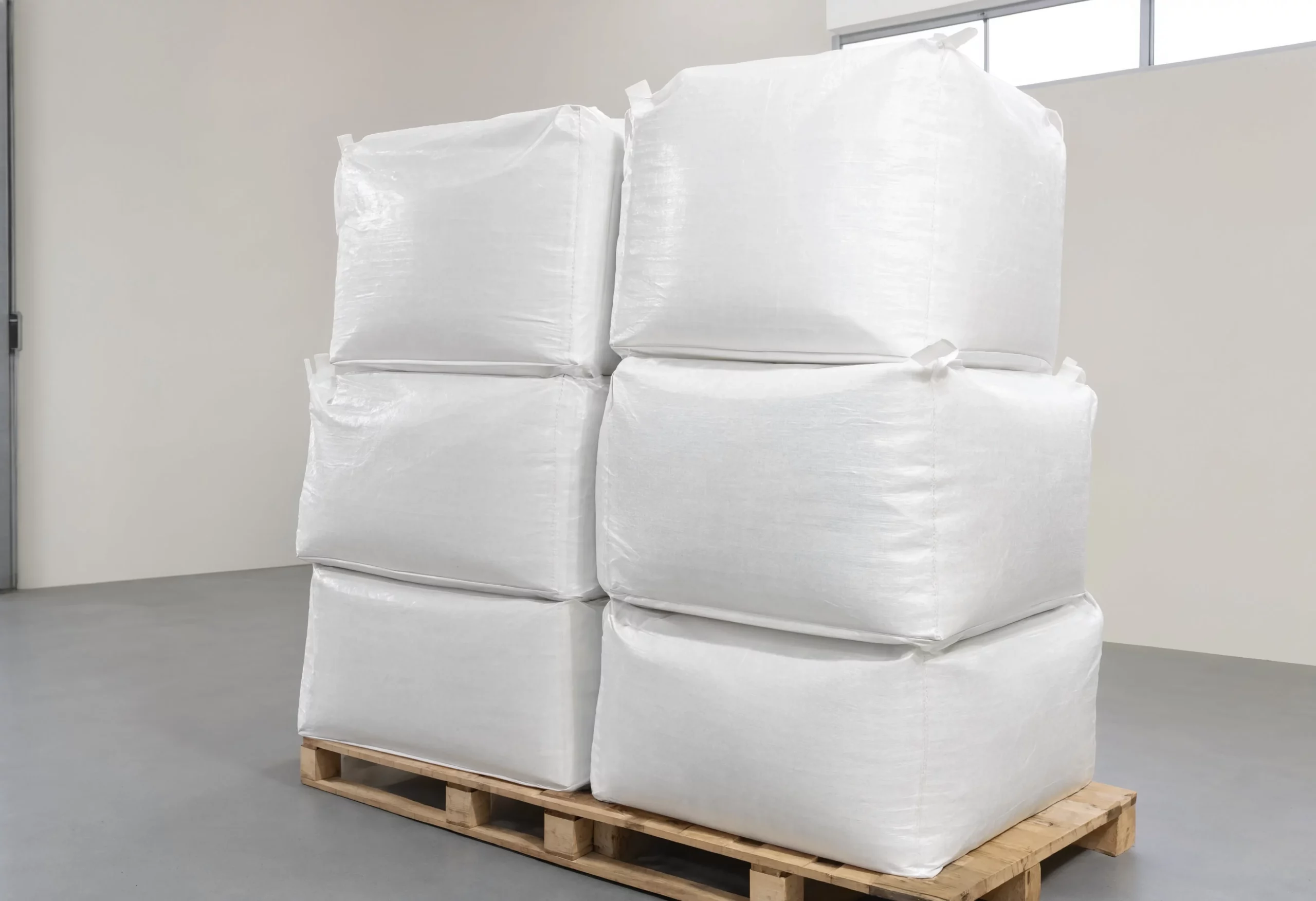
- 50-pound woven poly bags (palletized): Best for buyers with forklift receiving and batch processing environments where controlled portioning matters
- 2,000-pound bulk totes (super sacks): Flexible format for processing facilities with bulk bag receiving systems and moderate-volume requirements
- Full truckload hopper trailer (bulk): Most efficient format for buyers with grain bin receiving, pneumatic unloading, or bulk receiving pits
- Railcar shipments via Union Pacific and BNSF: Most cost-effective format for high-volume buyers moving large quantities along major rail corridors
Our blog post on bulk grain packaging options provides a detailed breakdown of when each format makes the most operational and cost sense. For buyers with non-standard receiving setups, our logistics team will work through the options before the order is placed rather than discovering a mismatch at delivery.
Rail and Truck Transportation for Bulk Grain Shipments
Union Pacific and BNSF Rail Access for High-Volume Bulk Grain Distribution
Our facility’s proximity to Union Pacific and BNSF rail lines is one of the most operationally significant advantages we offer high-volume buyers. Rail shipping costs substantially less per ton than exclusive truck-based transport on large orders, and rail movement is often better suited for buyers who need consistent, scheduled delivery across long distances without the variability of highway freight capacity.
Rail vs. Truck: Choosing the Right Mode for Your Program
- Rail advantages: Lower per-unit freight cost on high volumes, consistent scheduling on established routes, reduced driver availability dependency, and preferred format for buyers near rail-served facilities or distribution hubs
- Truck advantages: Greater delivery flexibility on non-rail-served routes, faster lead times on smaller loads, and direct door-to-door delivery for buyers without rail receiving capability
- Combined programs: Some buyers use rail for primary bulk delivery and truck for secondary or overflow shipments. We can coordinate both within a single supply program.
Transportation Quality Standards for Certified Programs
Food-grade, organic, and identity preserved programs require transportation that protects grain from contamination and supports chain-of-custody documentation. We coordinate clean transportation requirements, verify carrier suitability for certified programs, and ensure that bills of lading and shipment records are prepared before loading. For buyers running programs where transportation documentation is part of the COA package, we build that into the pre-shipment workflow rather than treating it as an afterthought.
For a detailed look at how storage moisture levels affect grain quality during transport and holding, see our post on optimal grain moisture content for storage.
Bulk Grain Varieties We Source and Supply
Corn, Soybeans, Wheat, Oats, and Specialty Grains in Large-Volume Programs
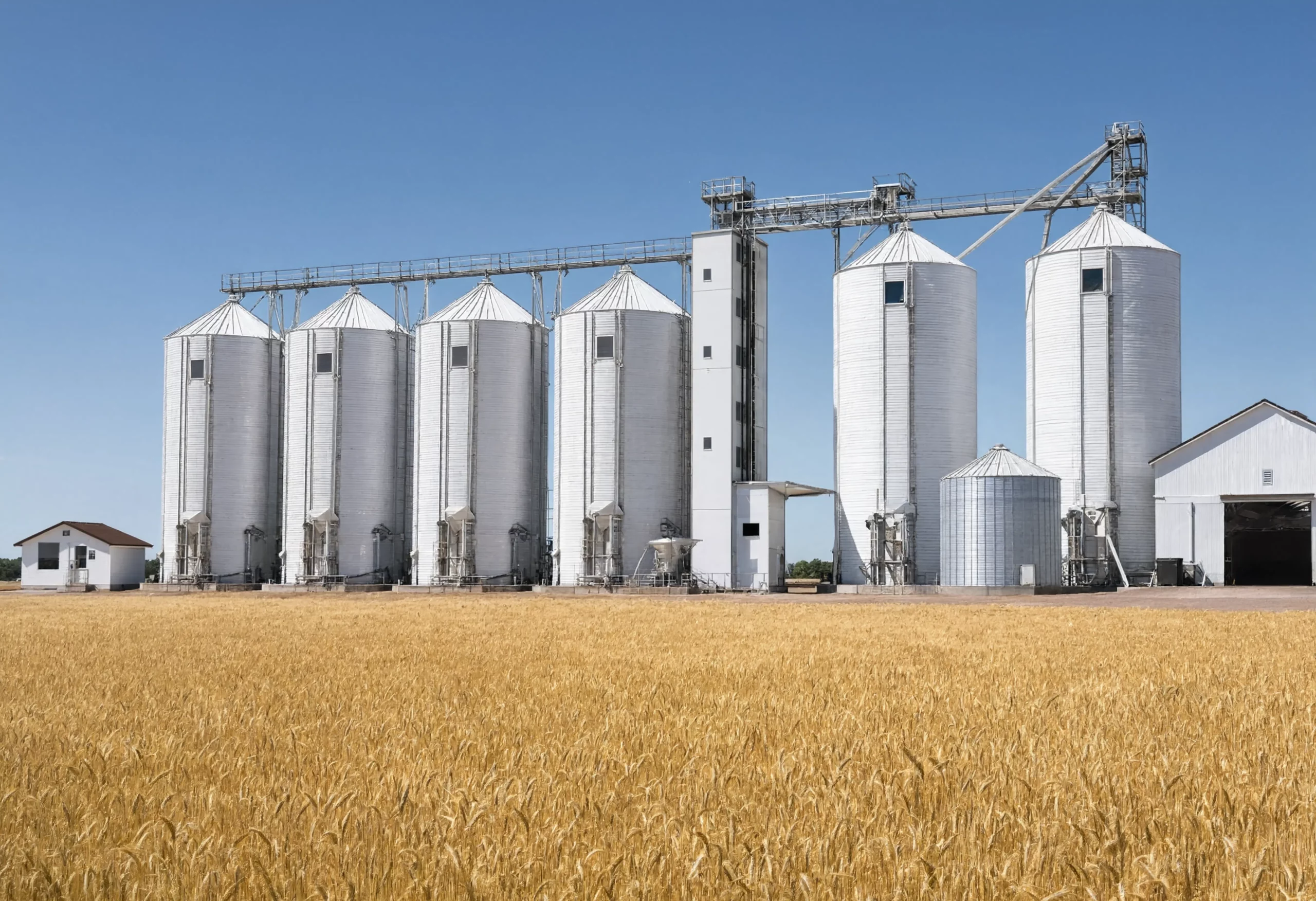
Our bulk grain supply covers multiple species, with corn as our most extensively documented and deeply sourced primary offering. For buyers managing multi-species procurement under a single supplier relationship, we maintain consistent quality standards, documentation protocols, and logistics support across grain types.
Primary Bulk Grain Offerings
- Bulk organic corn: Yellow, white, blue, and pink varieties available with USDA organic certification, non-GMO PCR verification, identity preservation, and food-grade documentation. Our most extensively processed and certified grain. See our specialty corn varieties page for a detailed breakdown of each variety’s specifications and applications.
- Bulk soybeans: Available for food, feed, and specialty ingredient applications with non-GMO and organic options
- Bulk wheat: For flour milling, baking, and further processing with protein, moisture, and test weight specifications
- Bulk oats: For cereal, baking, granola, and ingredient production
- Bulk barley and rye: For brewing, fermentation, milling, and specialty ingredient applications
- Specialty and heritage grain varieties: Available through identity preserved programs based on current crop year supply and contracted acreage
Certification availability varies by grain species and crop year. Organic and non-GMO options are most broadly available for corn. Contact our team early in the planning cycle to confirm certification availability, minimum quantities, and lead times for any grain type in your program.
Why Clark Specialty Grains Is a Dependable Bulk Grain Supplier
The Operational Commitments That Make Our Bulk Grain Supplier Program Different
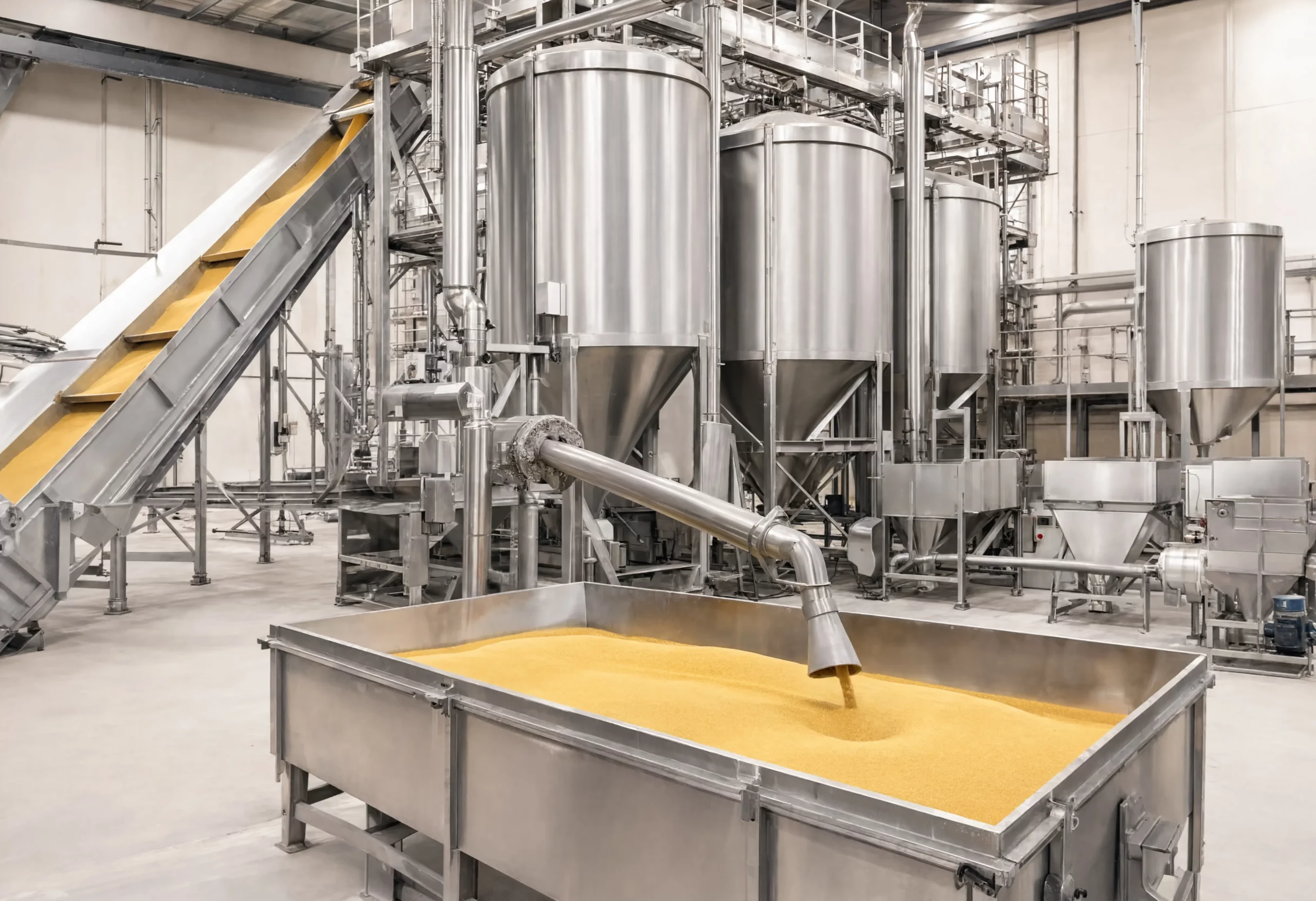
High-volume grain buyers evaluate suppliers on a short list of criteria that goes well beyond price: reliability of supply, consistency of quality, completeness of documentation, and responsiveness when something unexpected happens. Our programs are built around those four criteria because we understand that a vendor who scores well on price but poorly on the other three costs more in the long run than a supplier who gets all four right.
What Every Bulk Grain Program from Clark Includes
- Specifications confirmed before sourcing begins, not discovered at receiving
- Multi-stage precision cleaning with documented equipment runs before every lot
- CO2 grain treatment with no-live-bugs guarantee, compliant with organic handling standards
- Pre-shipment COA, certification records, and testing results ready before loading
- Segregated storage and handling for all certified and identity preserved programs
- Lot-level traceability maintained from intake through delivery
- SQF-compatible, Kosher-compatible, and Gluten-Free-compatible handling available upon request
- Proactive communication with procurement, operations, and quality teams across the program lifecycle
Contracted Bulk Grain Supply Programs for Recurring Buyers
Long-Term Volume Agreements That Protect Supply Continuity and Reduce Procurement Risk
Contracted bulk grain programs are the most effective tool available to high-volume buyers for managing supply risk, stabilizing quality expectations, and reducing the administrative overhead of ongoing spot purchasing. When our grower network knows the expected volume, delivery schedule, and quality specifications for a full crop year in advance, they can align production and acreage accordingly. That planning alignment is what makes contracted supply more reliable than spot purchasing across every grain type we handle.
What Contracted Bulk Grain Programs Provide
- Secured grain availability over a defined supply period, reducing exposure to spot market tightness
- Pre-agreed quality specifications that apply consistently across every shipment in the contract
- Delivery schedules aligned with your production calendar and warehouse capacity
- Transparent pricing structures established before the growing season begins
- Multi-year relationship options for buyers who need consistent supply across crop years
- Phased shipment scheduling available for buyers who prefer to manage inventory in smaller, recurring deliveries
Contract terms vary based on grain type, certification requirements, volume, delivery format, and market conditions. Some buyers need fixed-volume commitments with defined shipment windows. Others need flexible phased delivery schedules that adjust to production demand. We work with each buyer to develop a contract structure that serves operational reality rather than forcing production to fit a rigid supply template. Our overview of identity preserved grain contracts and premium structures provides additional context on how we approach contracted programs for specialty and certified grain buyers.
Ordering, Lead Times, and Supply Continuity for Bulk Grain Buyers
Planning Your Bulk Grain Program for Reliable, On-Schedule Delivery
Bulk grain procurement requires coordination across procurement, operations, logistics, and quality assurance. We work to make that coordination efficient by establishing requirements upfront and maintaining communication through every stage of fulfillment. Lead times vary by grain type, certification scope, volume, packaging format, and transportation mode, and understanding those variables before placing an order allows both sides to plan effectively.
Information That Helps Us Build an Accurate Lead Time Estimate
- Grain type, variety, and any specific quality or functional specifications
- Required volume and preferred shipment frequency (single load, recurring, contracted)
- Certification requirements: organic, non-GMO, identity preserved, food-grade, or a combination
- Preferred packaging format: bags, totes, bulk truckload, or railcar
- Delivery location and receiving infrastructure details
- Target shipment date or production deadline driving the order timeline
For specialty, organic, and non-GMO certified programs, we strongly recommend initiating the sourcing conversation at least four to eight weeks before your target delivery date. Contracted annual programs should be discussed in advance of the planting season to allow grower alignment. For standard non-certified bulk corn and commodity-adjacent grain, lead times can be significantly shorter depending on current inventory availability.
Frequently Asked Questions About Bulk Grain Supply
What types of bulk grains do you supply?
Our primary bulk grain offering is corn in yellow, white, blue, and pink varieties with organic certification and non-GMO verification available. We also source bulk soybeans, wheat, oats, barley, rye, and specialty grain species depending on current crop year availability, buyer specifications, and certification requirements. Contact our team to confirm availability for your specific grain type.
Do you offer contracted bulk grain programs?
Yes. We structure contracted bulk grain supply programs with defined volume commitments, quality specifications, delivery schedules, and pricing. Contracted programs reduce spot market exposure and allow our grower network to align production with your purchasing forecast across multiple crop years.
Can bulk grains be supplied as organic or non-GMO certified?
Yes. We supply bulk grain with USDA organic certification, non-GMO PCR verification, or dual certification depending on grain type and current crop year availability. All certified grain ships with applicable third-party documentation including organic certificates and non-GMO test results. See our non-GMO grain supply page and organic grain supply page for program details.
What packaging and shipping options are available for bulk grain?
We offer 50-pound woven poly bags, 2,000-pound bulk totes, full truckload hopper trailers, and railcar shipments via Union Pacific and BNSF rail lines. The right format depends on your grain type, order volume, receiving infrastructure, and production schedule. Our logistics team works with buyers to configure the most efficient option for each program.
How far in advance should we place a bulk grain order?
Lead times vary based on grain type, volume, certification requirements, packaging format, testing scope, and transportation availability. For specialty, organic, and non-GMO certified programs, earlier planning is strongly recommended due to limited acreage and longer documentation preparation timelines. We recommend contacting our team at least four to eight weeks before your target delivery date for specialty grain orders, and earlier for contracted annual programs.
Do you supply bulk grain with identity preservation?
Yes. Our identity preserved grain program maintains strict lot separation, dedicated storage, and full chain-of-custody documentation from seed selection through delivery. Identity preserved bulk grain programs are available for corn varieties and other specialty grains in our network.
Can you accommodate rail shipping for bulk grain orders?
Yes. Our facility is positioned near Union Pacific and BNSF rail lines, enabling efficient railcar loading for large-volume orders. Rail shipping is typically the most cost-effective option for buyers moving high volumes along major rail corridors. Contact our team to confirm rail availability, car types, and scheduling for your delivery location.
Get Started with a Bulk Grain Supply Program
Clark Specialty Grains is ready to build a bulk grain program around your volume requirements, quality specifications, certification needs, and delivery schedule. From a single truckload of food-grade organic corn to a multi-species, multi-season contracted program with rail logistics, we structure supply solutions that match the real demands of your operation.
Browse our full range of certified organic grains, review our food-grade grain standards, or explore our specialty corn variety options. Our team responds quickly and can provide grain availability, freight options, program structure, and pricing information based on your specific sourcing needs.
Submit an inquiry online or call us at (308) 537-2004. We look forward to building a bulk grain supply relationship your procurement and operations teams can depend on.