
Choosing the right organic grain supplier starts long before a purchase order is signed. It starts with verifying current USDA organic certification, confirming exactly which grains and activities that certification covers, and evaluating whether a supplier’s documentation, testing, and handling systems actually match what your production program requires. A supplier that looks solid on price can still create serious problems downstream if its paperwork, traceability, or segregation practices do not hold up under audit.
Procurement managers and quality teams sourcing bulk organic grain have to manage both regulatory compliance and ingredient quality at the same time. Documentation gaps, unclear lot identification, or inadequate segregation can create complications during audits and make it harder to support organic claims all the way through the supply chain. The stakes are only getting higher: the USDA’s Strengthening Organic Enforcement rule reached full implementation on March 19, 2024, expanding certification requirements for many businesses, strengthening traceability and recordkeeping obligations, and requiring certified operations to address organic fraud risks directly in their Organic System Plans.
This guide walks through what separates a dependable organic grain supplier from one that only looks the part on paper, including certification checks, quality and handling standards, documentation, identity preservation, logistics, and the questions worth asking before a contract is signed.
How to Evaluate an Organic Grain Supplier
Evaluating an organic grain supplier should be a structured process rather than a decision based primarily on price. Start by reviewing the supplier’s organic certification, certified products and activities, quality systems, processing capabilities, traceability procedures, and transportation requirements. A supplier that cannot speak clearly to all six areas is a supplier that still needs vetting.
Certification status should also be checked periodically instead of treated as a one-time onboarding item. USDA’s Organic Integrity Database provides current information about USDA-certified organic operations, and organic operation certificates include a unique 10-digit NOP identification number issued by the certifier. Pulling that number and cross-checking it against the database takes only a few minutes and closes off one of the more common gaps in supplier files.
Quality certifications can add useful information about a supplier’s food-safety and process-control systems, but they are not a substitute for organic certification. USDA organic certification addresses organic production and handling requirements, while programs such as SQF address separate food-safety and quality-management considerations. A strong supplier file typically documents both, since they answer different questions.
Organic Grain Quality and Handling Standards
Organic certification is only one part of supplier qualification. Buyers should also examine how grain is received, stored, cleaned, tested, segregated, and prepared for shipment, since these are the steps where quality is either protected or lost.
Moisture and temperature management are especially important, because storage conditions directly affect grain stability over time. Appropriate moisture targets vary by grain, intended storage period, environmental conditions, and buyer specification, so universal moisture limits should not be treated as regulatory requirements unless they are tied to a specific applicable standard or contract.
Cleaning and conditioning equipment can also have a significant effect on finished grain quality. Screen cleaning, gravity separation, color sorting, destoning, aspiration, and metal detection all help remove foreign material, damaged kernels, and other unwanted material before food-grade grain reaches a buyer. A bulk grain supply program built around multiple stages of cleaning and quality control gives buyers a much clearer picture of what they are actually receiving.
Segregation is equally important. USDA organic regulations require certified operations to maintain organic integrity and protect organic products from commingling with nonorganic products and contact with prohibited substances. The specific procedures used to satisfy those requirements should be documented in the operation’s Organic System Plan and supporting records, not just described verbally during a sales call.
What a Reliable Organic Grain Supplier Should Provide
A qualified organic grain supplier should be able to provide documentation appropriate to the grain, certification program, buyer specification, and shipment. The exact paperwork can vary, so buyers should establish their required document package before approving a supplier rather than discovering gaps after product has already shipped.
Common records worth requesting include the following:
- Organic Certification Documentation: current certification information covering the applicable operation, products, and handling activities
- Lot Identification and Traceability Records: documentation connecting the grain received, processed, stored, and shipped under identifiable lots
- Bills of Lading and Shipping Records: documents identifying the shipment, quantity, origin, destination, and other relevant transportation details
- Certificate of Analysis: buyer-required analytical results that may include moisture, test weight, foreign material, purity, or other agreed specifications
- Food-Safety Testing: testing for hazards such as mycotoxins or other contaminants where applicable, based on the grain, intended use, and buyer’s food-safety program
- Non-GMO Verification: additional documentation or laboratory testing when a buyer requires a separate non-GMO claim or verification program
Not every item on this list is a universal USDA requirement for every organic shipment. Some are buyer specifications or supplier quality practices that go beyond baseline organic regulations. A strong procurement program distinguishes regulatory requirements from contractual quality requirements and documents both separately. Buyers working with food-grade grain supply programs should confirm upfront which of these records come standard and which require a specific request, and buyers who also need a documented non-GMO claim should ask how non-GMO grain verification is handled alongside organic certification, since the two programs are related but not interchangeable.
Why Identity Preservation Matters
Organic certification and identity preservation are related, but they are not the same thing. Organic certification establishes compliance with USDA organic requirements, while identity preservation focuses on maintaining the documented identity and segregation of a specific grain, variety, or lot all the way through the supply chain.
For manufacturers with precise variety, color, processing, or labeling specifications, identity preservation adds an extra layer of control that organic certification alone does not guarantee. Identity-preserved grain programs are typically built around lot-level traceability and variety segregation, which matters most for buyers running organic and non-GMO programs side by side.
Traceability also improves response time when a buyer needs to investigate a quality concern. The more precisely incoming grain can be tied to lots and supporting records, the easier it becomes to determine which material may be affected without unnecessarily involving unrelated inventory.
Certification, Traceability, and the Strengthening Organic Enforcement Rule
Agricultural products represented as USDA organic must comply with applicable USDA organic regulations. Certain operations and activities may qualify for exemptions, so it is more accurate to evaluate certification requirements based on the specific role each business performs in the organic supply chain rather than assuming a blanket rule applies to everyone.
One of the most significant changes under the Strengthening Organic Enforcement rule was expanding the number of operations that must be certified. Importing and exporting organic products are not exempt activities, while businesses that strictly transport organic products can remain exempt from certification if they perform no other handling activities. Certified operations are still responsible for maintaining records that demonstrate exempt transportation has not compromised organic status.
| Date |
Requirement Under the Strengthening Organic Enforcement Rule |
| March 19, 2024 |
Full implementation date. Expanded certification requirements, strengthened traceability and recordkeeping, and required organic fraud prevention measures in Organic System Plans. |
| March 19, 2024 forward |
Organic imports generally require an electronic NOP Import Certificate generated through the Organic Integrity Database. |
| October 1, 2025 |
Imported organic shipments arriving without a valid NOP Import Certificate may no longer be reconditioned, and are instead subject to re-export, destruction, or qualifying donation. |
Certified operations must also address organic fraud prevention directly in their Organic System Plans. USDA guidance on the Strengthening Organic Enforcement rule states that certified operations must maintain practices for verifying the organic status of suppliers and products and preventing organic fraud, with the scope of the plan varying according to the operation’s activities and complexity.
These changes make supplier transparency increasingly important. Buyers should know not only who sold them the grain, but also how certification and traceability are maintained through the relevant parts of the supply chain. That level of transparency is part of what buyers should expect from any organic grain supplier they intend to work with long term, and it is a standard we apply across our own nationwide grain sourcing programs.
Matching Grain Supply to Your Production Requirements
A supplier may be fully certified and still be the wrong fit for a particular manufacturing program. The grain also has to meet physical, quality, processing, and logistics specifications that are specific to your facility.
Before signing a supply agreement, establish specifications for the characteristics that matter most to your operation. Depending on the product, those typically include the items below.
Specifications to Confirm With an Organic Grain Supplier
| Specification |
Why It Matters |
| Grain variety and kernel color |
Affects flavor, appearance, and labeling accuracy in finished products |
| Organic and non-GMO certification |
Supports label claims and regulatory compliance |
| Moisture and test weight |
Impacts storage stability and milling or processing yield |
| Foreign material and purity |
Affects finished product quality and equipment wear |
| Mycotoxin requirements |
Protects food-safety compliance for the finished product |
| Lot traceability |
Speeds up investigation if a quality concern arises |
| Packaging format and delivery frequency |
Needs to match receiving capabilities and production schedule |
| Annual or seasonal volume |
Determines whether a supplier can support long-term contracted programs |
For manufacturers using corn as a primary ingredient, organic corn variety programs covering yellow, white, blue, and pink corn can be built around organic certification, food-grade documentation, and identity-preservation options depending on the specification. Production schedules should also be discussed before a contract is finalized, since a supplier needs to understand how frequently your facility receives grain, which transportation and unloading formats it can accommodate, what documentation must arrive before or with the load, and how specification exceptions get handled when they come up.
Logistics and Freight Considerations
Organic integrity does not end when grain leaves the processing facility. Transportation procedures should be included in the supplier qualification process, because shipping creates another point where commingling, contamination, moisture exposure, or documentation problems can occur.
The Strengthening Organic Enforcement framework specifically emphasizes traceability between certified operations and requires certified businesses to demonstrate that exempt transportation activities do not compromise organic status. That does not mean federal organic rules universally mandate a document called a clean truck certificate for every load. Instead, the certified operation must have procedures and records sufficient to demonstrate that organic integrity was protected throughout transit.
Buyers can strengthen their own programs by requiring documented trailer inspections, previous-load information, cleaning records, seal numbers, bills of lading, or other controls when those measures are appropriate to their hazard analysis and supplier requirements.
Key Questions to Ask Before Choosing an Organic Grain Supplier
Before approving a supplier, it helps to ask questions that test both regulatory compliance and operational capability rather than relying on a general sales pitch:
- Is your USDA organic certification current, and can I see the certificate?
- Which grains and handling activities are covered by that certification?
- How do you verify the certification status of growers and other upstream suppliers?
- How do you identify and trace individual lots through your facility?
- What segregation and equipment clean-out procedures do you use between organic and conventional runs?
- What grain-cleaning and conditioning equipment is available on-site?
- Which laboratory or analytical tests are routinely performed, and which are available on request?
- What documentation can we receive before or with each shipment?
- How are organic fraud risks addressed in your Organic System Plan?
- Which transportation formats and delivery schedules can you support?
- How do you handle an off-specification lot?
- Can you structure a contracted program around forecasted production needs?
A dependable organic grain supplier should be able to answer these questions clearly and back up the important claims with documentation, not just a verbal assurance.
Frequently Asked Questions
What is the National Organic Program?
The National Organic Program is administered by the USDA Agricultural Marketing Service and establishes the federal standards governing agricultural products represented as organic in the United States.
How do I verify an organic grain supplier’s certification?
Review the supplier’s current organic certificate and check the operation in USDA’s Organic Integrity Database. Organic operation certificates contain a unique 10-digit NOP identification number that can help identify the certified operation.
Does every organic grain shipment require a Certificate of Analysis?
USDA organic regulations do not impose a universal requirement that every organic grain shipment include a Certificate of Analysis. However, many food manufacturers require lot-specific analytical documentation as part of their own supplier quality programs.
What is chain of custody in organic grain sourcing?
Chain of custody refers to documentation showing how a product moves through relevant parties in the supply chain. Strong traceability records allow certified operations and buyers to connect physical grain with the records supporting its origin, organic status, handling, and movement.
What is the difference between quality assurance and quality control?
Quality assurance focuses on the systems used to prevent problems, such as supplier approval, sanitation procedures, certification verification, and traceability. Quality control focuses more directly on measuring or inspecting the grain itself, such as checking moisture, test weight, foreign material, or other specifications.
Does an organic grain transporter have to be USDA-certified organic?
A business that strictly transports organic products and performs no other handling activities can be exempt from organic certification. Certified operations must still maintain records demonstrating that transportation did not compromise the organic status of the product.
Are organic import certificates required?
With limited exceptions, organic agricultural products imported into the United States must be associated with an electronic NOP Import Certificate issued through the Organic Integrity Database by an appropriate certifier.
Choose an Organic Grain Supplier That Can Support Your Quality Program
Choosing an organic grain supplier requires more than comparing price per bushel. Certification status, traceability, handling controls, testing, logistics, communication, and documentation all affect how reliably grain moves into a production program without creating downstream problems.
Clark Specialty Grains supplies certified organic corn in yellow, white, blue, and pink varieties and sources additional organic and specialty grain species according to crop-year availability, supported by documented processing and quality systems across organic, non-GMO, identity-preserved, and food-grade programs. If you need to evaluate grain availability, certification requirements, specifications, or contracted volumes, connect with our grain sourcing team to discuss your program and request the documentation you need before making a purchasing decision.
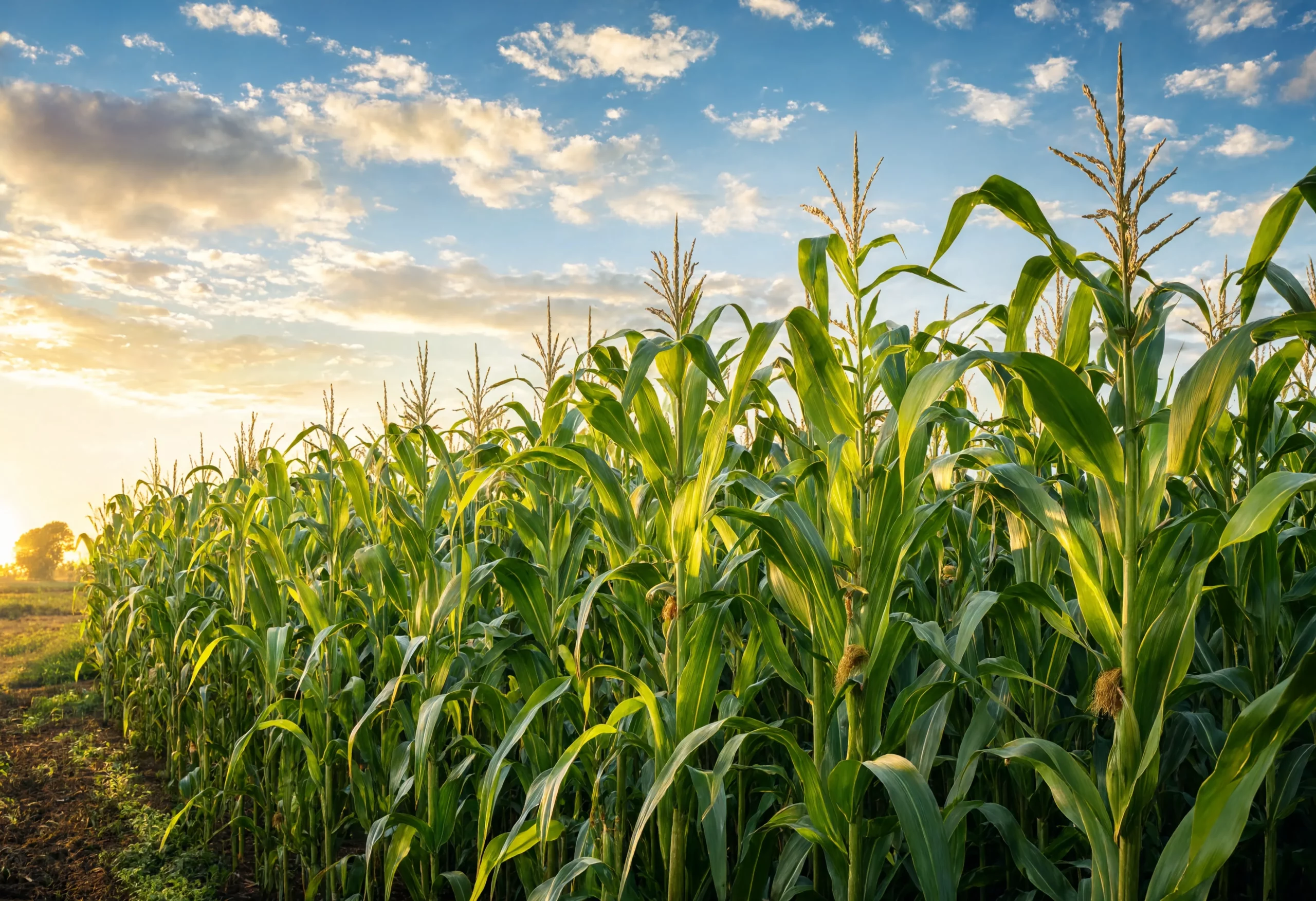
Organic non-GMO corn is used across a wide range of food and ingredient applications, from tortilla chips and cereals to cornmeal, snack products, baking mixes, and specialty foods. For manufacturers, brands, distributors, and ingredient buyers, selecting the right corn is about more than choosing a color or kernel type. Buyers must also evaluate certifications, traceability, food safety practices, processing capabilities, product consistency, and the supplier’s ability to support long-term ingredient programs. As consumer interest in recognizable ingredients, organic agriculture, and non-GMO products continues to influence purchasing decisions, certified corn can help food companies meet specific product standards while supporting clear and credible label claims.
Common Uses for Organic Non-GMO Corn
Organic corn that has not been genetically modified can be processed into numerous food ingredients and finished products. Its exact use depends on the corn variety, kernel characteristics, color, flavor, texture, moisture level, and milling or processing method.
Common applications include:
- Tortillas, tortilla chips, and taco shells
- Cornmeal, corn flour, and corn grits
- Breakfast cereals and granola products
- Extruded snacks, corn puffs, and corn chips
- Baking mixes, breads, muffins, and pancakes
- Masa and nixtamalized corn products
- Polenta and prepared grain dishes
- Popcorn and specialty snack products
- Food coatings and breading systems
- Fermented foods and beverages
- Pet food and specialty animal nutrition products
- Natural color applications using blue, purple, pink, or other specialty corn varieties
Food manufacturers may purchase whole-kernel corn for in-house processing or source corn that has been cleaned, sorted, milled, cracked, or otherwise prepared for a specific production process. The best format depends on the manufacturer’s equipment, recipes, production volume, and finished-product requirements.
What Makes Organic Non-GMO Corn Different?
The terms “organic” and “non-GMO” describe related but distinct product attributes. Understanding the difference is important when evaluating ingredients and supplier documentation.
Certified organic corn must be grown and handled according to applicable organic standards. Organic production standards generally prohibit the use of genetically engineered seeds and place restrictions on most synthetic pesticides, fertilizers, and other agricultural inputs. Organic certification also requires documented practices, inspections, and controls throughout the supply chain.
Non-GMO corn is produced without genetically modified seed varieties. Depending on the buyer’s requirements, non-GMO status may be supported through supplier declarations, identity-preserved production systems, testing programs, third-party verification, or a combination of these methods.
Organic corn is inherently non-GMO under organic production standards, but buyers may still request additional non-GMO documentation or testing. This is especially common when manufacturers have strict customer specifications, retailer requirements, export obligations, or third-party verification programs.
Organic non-GMO corn may also differ from conventional commodity corn in how it is managed after harvest. Food-grade and specialty corn programs often involve additional controls for:
- Seed selection
- Field history and production practices
- Buffer zones or isolation from neighboring crops
- Harvest timing
- Cleaning and drying
- Dedicated or carefully managed storage
- Transportation
- Lot identification
- Testing and documentation
These controls help preserve the identity, quality, and certification status of the grain from the farm through delivery.
Food Applications for Organic Corn Products
Organic corn is highly versatile because it can be processed in several ways. Each processing method produces different functional characteristics, textures, and flavor profiles.
Tortillas and tortilla chips: Food-grade corn is commonly cooked through nixtamalization, a traditional process that uses water and an alkaline ingredient such as lime. The cooked corn is then processed into masa for tortillas, chips, tostadas, and related products. Yellow and white corn are widely used, while blue and other specialty colors can create distinctive premium products.
Cornmeal and corn flour: Milled organic corn is used in cornbread, muffins, pancakes, coatings, baked goods, and gluten-free formulations. Particle size can influence texture, moisture absorption, mixing performance, and finished-product consistency.
Grits and polenta: Coarsely ground corn is used in traditional grits, polenta, side dishes, prepared meals, and foodservice products. Buyers may specify color, granulation, cooking time, and flavor characteristics.
Breakfast cereals: Organic corn may be used in flakes, puffs, crisps, extruded cereals, and multigrain blends. Cereal manufacturers often require consistent kernel properties to support predictable processing and finished-product texture.
Snack foods: Corn serves as a base for chips, curls, puffs, crackers, and extruded snacks. Different corn varieties and milling specifications can affect expansion, crunch, density, flavor, and appearance.
Gluten-free foods: Corn is naturally gluten-free, making it a common ingredient in products designed for consumers avoiding gluten. However, manufacturers must still evaluate cross-contact risks throughout farming, storage, transportation, milling, and packaging if they plan to make a gluten-free claim.
Specialty and premium foods: Blue, purple, pink, white, and other specialty corn varieties can help brands develop products with distinctive colors, regional stories, and premium market positioning. These varieties may be used in chips, tortillas, cereals, baked goods, meal kits, and chef-inspired products.
Brewing and fermentation: Some food and beverage producers use corn as a fermentable grain or adjunct. Buyers sourcing for fermentation should discuss starch characteristics, moisture, microbial specifications, and processing needs with the supplier.
Why Food Manufacturers Choose Certified Corn
Food manufacturers choose certified organic and non-GMO corn for several reasons. In many cases, the decision is driven by a combination of consumer expectations, brand positioning, retailer requirements, product claims, and internal ingredient policies.
One of the primary advantages is documentation. Certification creates a structured system for verifying how the crop was produced, handled, and tracked. This can make it easier for manufacturers to support package claims and respond to customer or auditor requests.
Certified corn may also help manufacturers:
- Develop products for organic and natural food markets
- Meet retailer or foodservice ingredient standards
- Support non-GMO product positioning
- Improve supply-chain transparency
- Maintain traceability from production through processing
- Differentiate products through specialty colors and varieties
- Strengthen consumer confidence in ingredient sourcing
- Align sourcing programs with sustainability goals
- Prepare for third-party audits or customer reviews
Certification alone does not guarantee that every lot will perform identically in a food production environment. Manufacturers must still evaluate physical quality, food safety, functionality, and consistency. A strong supplier should be able to discuss both certification status and practical product performance.
Buyers should also distinguish between food-grade corn and general commodity corn. Food-grade programs typically place greater emphasis on kernel appearance, purity, cleanliness, moisture, test weight, defect levels, storage practices, and processing suitability. The exact requirements vary by application.
For example, a tortilla manufacturer may prioritize cooking performance, masa yield, color consistency, and kernel hardness. A snack producer may focus on expansion, particle size, texture, and oil absorption. A cereal manufacturer may require precise moisture, starch, and physical specifications. The ideal corn is the one that consistently performs within the buyer’s process.
Sourcing Organic Corn for Ingredient Programs
Sourcing organic corn for a commercial ingredient program requires planning. Buyers should begin by defining the application, annual volume, preferred variety, quality specifications, certification requirements, delivery schedule, and testing expectations.
Agricultural ingredients are affected by crop cycles, weather, regional growing conditions, harvest quality, storage capacity, and market demand. Specialty varieties may have more limited availability than standard yellow or white corn. Buyers who need specific colors, varieties, or volumes should communicate forecasts as early as possible.
An effective sourcing program may include:
- Product samples for initial evaluation
- Pilot or production trials
- Written specifications
- Certificates of analysis
- Organic certificates
- Non-GMO documentation
- Allergen statements
- Food safety documentation
- Lot traceability
- Testing protocols
- Packaging requirements
- Delivery schedules
- Contingency planning
Consistency is especially important for manufacturers operating high-volume production lines. Variations in moisture, kernel size, hardness, color, or foreign material can affect milling, cooking, extrusion, mixing, and finished-product quality. Buyers should work with suppliers that understand how agricultural variability can influence processing.
The supplier’s storage and handling practices are also critical. Even high-quality corn can be compromised by poor drying, pest activity, moisture migration, cross-contact, or inadequate sanitation. Buyers should ask how grain is received, cleaned, stored, monitored, sampled, tested, and released.
Long-term supplier relationships can provide additional benefits. A supplier that understands the manufacturer’s application may be better positioned to recommend appropriate varieties, anticipate seasonal needs, communicate crop conditions, and address specification changes.
Supplier Questions for Organic and Non-GMO Buyers
Before approving a supplier, buyers should ask detailed questions about production, certification, quality, and logistics. The answers can help determine whether the supplier is equipped to support a commercial food ingredient program.
Important questions include:
- Is the corn certified organic, and can you provide a current certificate?
- How is non-GMO status verified?
- Is the grain produced through an identity-preserved program?
- What corn varieties and colors are available?
- Is the product intended and managed for food-grade use?
- What cleaning, sorting, and handling steps are performed?
- What are the standard specifications for moisture, foreign material, defects, and test weight?
- Are certificates of analysis available by lot?
- What testing is performed for mycotoxins, pesticide residues, pathogens, or other contaminants?
- How is lot traceability maintained?
- How are organic and non-organic grains segregated?
- What controls are used to reduce cross-contact during storage and transportation?
- Can the supplier provide samples for testing?
- What packaging formats and bulk delivery options are available?
- What lead times should buyers expect?
- Can the supplier support contracted volumes or scheduled releases?
- What happens if a lot does not meet the agreed specification?
- Are food safety audits or third-party certifications available?
- How does the supplier monitor stored grain quality?
- Can the supplier support specialty varieties consistently from season to season?
Buyers should document agreed requirements before placing large orders. A written specification can reduce misunderstandings and provide a clear standard for quality review. Specifications may include physical characteristics, microbiological limits, chemical limits, sensory expectations, certifications, packaging, labeling, shelf life, and storage conditions.
Manufacturers should also conduct production trials before making significant formulation or sourcing changes. A sample may look acceptable in a laboratory but perform differently during cooking, milling, extrusion, or large-scale production. Trials allow the buyer to evaluate yield, flavor, color, texture, handling, and finished-product stability.
Buyer Considerations for Specialty Corn Varieties
Specialty corn can create meaningful product differentiation, but each variety may have unique sourcing and processing considerations. Blue, purple, pink, white, and yellow corn can differ in flavor, pigmentation, kernel hardness, availability, and end-use performance.
Color is often a major purchasing factor. Natural pigmentation can help manufacturers create visually distinctive chips, tortillas, cereals, snacks, and baked goods. However, final product color may be influenced by cooking conditions, pH, heat exposure, milling, ingredient interactions, and storage.
Buyers should not assume that all corn of the same color will perform the same way. Variety, growing region, harvest conditions, and handling practices can affect the grain. Manufacturers should evaluate representative samples and establish acceptable color ranges when visual consistency is important.
Volume planning is another key consideration. Specialty corn may be grown under contract or produced in smaller quantities. Manufacturers with substantial annual requirements should discuss acreage, crop planning, storage, and forecast commitments with suppliers well before the desired delivery period.
Sustainability may also influence supplier selection. Buyers can ask about soil management, crop rotation, water use, farm relationships, waste reduction, transportation efficiency, and long-term agricultural practices. Organic certification provides a defined production framework, but manufacturers may have additional sustainability goals that require deeper supplier engagement.
Frequently Asked Questions
Is organic corn always non-GMO?
Certified organic corn must be produced without genetically engineered seed. Buyers may still request separate testing, identity-preservation documentation, or third-party non-GMO verification based on their product requirements.
What products are commonly made with organic non-GMO corn?
Common products include tortillas, tortilla chips, cornmeal, corn flour, grits, polenta, breakfast cereals, extruded snacks, baking mixes, coatings, and specialty foods.
What is food-grade corn?
Food-grade corn is grown, handled, stored, and evaluated for human food applications. It generally must meet defined standards for cleanliness, defects, moisture, purity, safety, appearance, and processing performance.
Is organic corn naturally gluten-free?
Corn is naturally gluten-free. Manufacturers making gluten-free claims must also manage the risk of cross-contact with wheat, barley, rye, or other gluten-containing grains throughout the supply chain.
What is the difference between yellow, white, and blue corn?
The varieties differ in pigmentation, flavor, appearance, kernel characteristics, availability, and potential processing performance. The best choice depends on the intended product and desired sensory profile.
Can organic corn be purchased in bulk?
Yes. Suppliers may offer bulk truckload quantities, totes, bags, or other formats. Available options depend on the supplier, product type, order volume, and customer requirements.
Should buyers request a certificate of analysis?
A certificate of analysis can provide useful lot-specific information. Buyers should determine which tests and specifications are necessary for their application and confirm the supplier’s standard testing program.
How should manufacturers evaluate an organic corn supplier?
Manufacturers should review certifications, food safety systems, traceability, testing practices, specifications, storage controls, crop availability, delivery capabilities, and experience serving food-industry customers.
Why is traceability important when sourcing organic corn?
Traceability helps connect each shipment to its production, storage, handling, and testing records. It supports certification compliance, quality investigations, audit readiness, and effective lot management.
When should buyers begin planning for specialty corn purchases?
Planning should begin as early as possible, particularly for large volumes or less common colors and varieties. Early forecasts can help suppliers plan production, storage, and delivery more effectively.
Source Organic and Non-GMO Corn From Clark Specialty Grains
Choosing the right corn supplier is essential for maintaining product quality, supporting label claims, and building a dependable ingredient program. We are a premier non-GMO corn and grain supplier serving food-industry buyers nationwide.
As a family-owned business with more than 18 years of experience, we are committed to delivering high-quality organic and non-GMO corn varieties for commercial food applications. Our dedication to excellence, sustainability, quality, and safety has helped us earn a reputation as a trusted source of food-grade corn.
We offer a diverse range of specialty corn varieties, including yellow, white, blue, purple, and pink corn. Whether you are sourcing premium blue corn for tortilla chips, white corn for masa products, colored corn for a specialty snack, or another grain for your ingredient program, our team is ready to help you identify products that align with your specifications and production needs.
Contact us to learn more and discuss your organic, non-GMO, food-grade corn and specialty grain sourcing requirements.
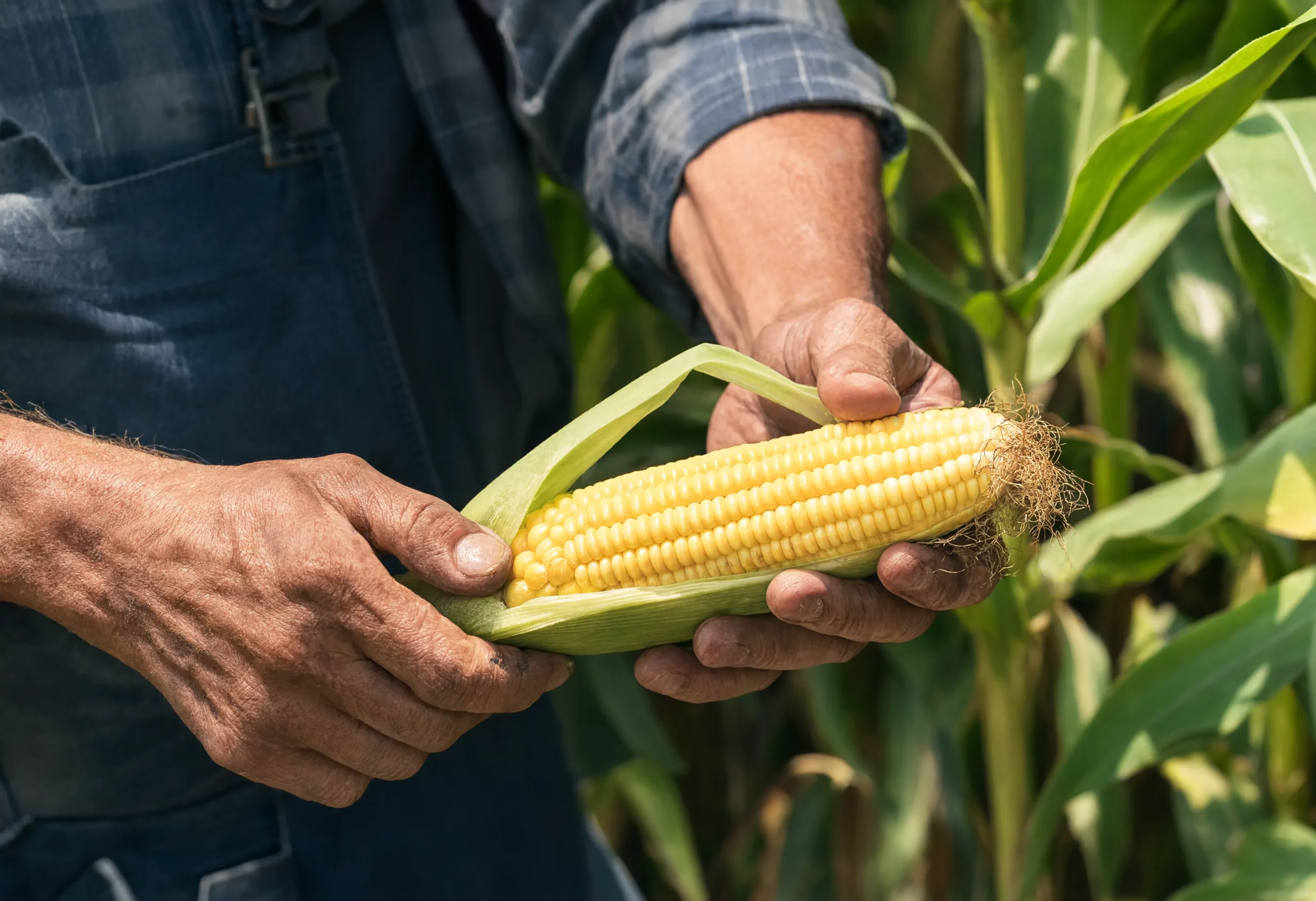
Choosing the right organic corn supplier is a critical purchasing decision for food manufacturers. Corn quality can affect flavor, color, texture, milling performance, production efficiency, labeling claims, and consumer confidence. At the same time, incomplete certification records, inconsistent testing, or unreliable delivery schedules can create costly disruptions. The best supplier is not simply the company offering the lowest price. It is a sourcing partner that can consistently deliver compliant, food-grade corn supported by dependable documentation and sufficient supply capacity.
Organic corn buyers should evaluate the complete supply program before making a commitment. This includes reviewing certification status, food safety procedures, traceability systems, product specifications, testing protocols, storage practices, shipping capabilities, and long-term availability. A supplier should also understand how different corn varieties perform in specific manufacturing applications.
Whether your business produces tortilla chips, cornmeal, cereal, extruded snacks, masa, baking ingredients, beverages, or specialty foods, a structured supplier selection process can help protect your products and your brand.
How to Evaluate an Organic Corn Supplier
Begin by determining whether a potential supplier has the experience, infrastructure, and accountability required to serve commercial food manufacturers. A supplier that primarily works with commodity grain may not offer the variety segregation, testing, documentation, or food-grade grain handling practices needed for an organic specialty product.
Price is important, but it should be evaluated in the context of the entire sourcing relationship. A lower price may not represent a better value when it comes with inconsistent quality, missing documents, unpredictable freight, or a higher risk of rejected loads.
When evaluating a supplier, consider the following areas:
- Experience serving food manufacturers and ingredient processors
- Knowledge of organic and non-GMO grain programs
- Ability to provide food-grade corn that meets written specifications
- Procedures for cleaning, storage, segregation, and transportation
- Product testing and certificate of analysis availability
- Lot-level traceability and chain-of-custody records
- Capacity to support current and projected purchasing volumes
- Access to multiple corn varieties and crop sources
- Communication during ordering, production planning, and shipment
- Processes for investigating and resolving quality concerns
A dependable supplier should be willing to discuss each of these areas in detail. Vague answers about sourcing, certification, testing, or availability may indicate that the supplier does not have a fully documented program.
What an Organic Corn Supplier Should Provide
An organic corn supplier should provide more than a shipment and an invoice. Food manufacturers need a documentation package that supports receiving inspections, internal quality controls, third-party audits, label claims, and regulatory compliance.
Depending on the buyer’s program, the supplier should be prepared to provide:
- A current organic certificate from an accredited certifying agent
- Product specifications for the requested corn variety
- Certificates of analysis for individual lots or shipments
- Lot numbers and traceability information
- Food safety and facility documentation
- Allergen statements when required
- Non-GMO grain supplier verification or testing documentation when applicable
- Country-of-origin information
- Treatment, storage, and handling information
- Shipping documents that match the product and lot
- Records supporting identity preserved grains
- Written procedures for complaints, recalls, and corrective actions
Ask how quickly these documents can be supplied. Ideally, the required records should be available before the corn arrives at your facility. Receiving a truckload without the documentation needed to release it can delay production and create unnecessary storage or detention costs.
The supplier should also provide a clear point of contact for purchasing, quality assurance, logistics, and technical questions. Smaller suppliers may have one person managing several of these responsibilities, but roles and response procedures should still be clear.
Organic Corn Quality and Certification Factors
Organic certification establishes the foundation of an organic sourcing program, but certification alone does not guarantee that a shipment will meet every manufacturing requirement. Buyers must evaluate both regulatory compliance and product quality.
Organic corn should be sourced and handled under a certified organic system designed to prevent contact with prohibited materials and reduce the risk of commingling with conventional grain. The supplier’s certificate should be current and issued by an accredited certifying agent, and the product being purchased should fall within the certificate’s scope.
Food manufacturers should confirm that the supplier’s organic certificate, invoice, bill of lading, product description, and lot records use consistent language. Differences in product names or certification details can create questions during an audit.
Quality specifications should address the physical, chemical, and functional properties that matter to the finished product. Depending on the application, relevant criteria may include:
- Moisture content
- Foreign material
- Broken kernels
- Damaged kernels
- Test weight
- Kernel size
- Color consistency
- Variety purity
- Odor and general condition
- Mycotoxin limits
- Microbiological requirements
- Pesticide residue expectations
- Milling or processing performance
A food manufacturer should define acceptable limits in writing rather than relying on broad descriptions such as premium quality or food grade. Written specifications make it easier for both parties to determine whether a shipment meets expectations.
Sampling methods also matter. Ask when samples are collected, how representative samples are created, which laboratories perform testing, and whether retained samples are available if a dispute occurs.
Questions About Organic Certification and Traceability
A supplier’s answers to detailed certification and traceability questions can reveal the strength of its organic control system. Useful questions include:
- Which certifying agent oversees your organic operation?
- Is your current organic certificate available for review?
- Is the specific corn variety included within the certified scope?
- How do you verify the organic status of incoming grain?
- How is organic corn separated from conventional and non-GMO corn?
- What cleaning procedures are used between products or varieties?
- How are storage bins, conveyors, trucks, and other equipment identified?
- Can each shipment be traced back through storage, handling, and source records?
- How often do you conduct traceability or mock recall exercises?
- How quickly can you complete a traceability request?
- How do you investigate a suspected commingling or contamination issue?
- Are outside warehouses or transportation providers covered by documented controls?
Strong traceability should allow the supplier to connect a delivered lot to relevant receiving, storage, processing, testing, and shipping records. For identity-preserved grain, records should also support the specific variety or production program.
Traceability is especially important for manufacturers making organic, non-GMO, variety-specific, or other premium label claims. A trusted supply chain helps reduce the risk of undocumented substitutions and gives the buyer better support during audits or customer inquiries.
Supply Planning for Organic Grain Buyers
Organic grain supply is influenced by planting decisions, weather, harvest conditions, storage availability, transportation, and competition for limited acreage. Specialty colors and functional varieties may be less widely available than standard yellow or white corn.
Manufacturers should avoid treating every organic corn purchase as a simple spot transaction. Spot buying may work for small volumes or flexible production programs, but it can expose the buyer to price volatility and limited availability. A contracted supply program may provide greater predictability for core products and high-volume production lines.
Begin supply planning by preparing an accurate demand forecast. Include:
- Expected annual volume
- Monthly or quarterly usage
- Seasonal production increases
- Minimum and maximum order quantities
- Preferred shipment frequency
- Required lead times
- Storage limitations
- Safety stock targets
- New product launches
- Forecasted business growth
Share realistic projections with potential suppliers. A supplier cannot plan acreage, inventory, cleaning schedules, or transportation effectively without visibility into expected demand.
Ask how the supplier secures its grain. Some suppliers purchase grain after harvest, while others coordinate production with growers before planting. Programs supported by contracted acreage may offer more stability for unusual varieties, strict specifications, or substantial annual volumes.
Buyers should also discuss contingency planning. Find out whether the supplier works with multiple growers, maintains more than one storage location, has access to backup transportation, or can recommend an acceptable alternative variety when availability becomes limited.
Matching Organic Corn to Production Needs
Corn is not a uniform ingredient. Variety, color, hardness, starch characteristics, kernel structure, crop year, and growing conditions can influence manufacturing performance.
Yellow corn is widely used for cornmeal, snacks, cereals, extruded products, and masa-based foods. White corn may be preferred when a lighter appearance or specific flavor profile is important. Blue, purple, and pink corn can help manufacturers create visually distinctive products for specialty, natural, and premium markets, and reviewing the full range of specialty corn varieties available can help narrow down the right fit early in the sourcing process.
Clark Specialty Grains supplies certified organic corn in multiple specialty varieties and offers programs involving non-GMO verification, identity preservation, food-grade documentation, and bulk grain supplier delivery options. Our current product information highlights yellow, white, blue, and pink corn, along with additional specialty options depending on program requirements and crop availability.
Before approving a new corn source, conduct production testing. A sample may look acceptable during visual inspection but perform differently during cooking, grinding, nixtamalization, extrusion, baking, or other processing steps.
Evaluate the corn for factors such as:
- Grind profile and flour yield
- Water absorption
- Cooking time
- Dough or masa consistency
- Expansion during extrusion
- Oil absorption during frying
- Finished-product color
- Flavor and aroma
- Texture and crunch
- Process waste
- Line throughput
- Shelf-life performance
Pilot testing is particularly important when switching suppliers, changing crop years, or introducing a specialty variety. The quality team should document test results and establish an approval process before the grain is used in full-scale production.
Manufacturers should also define how much natural variation is acceptable. Organic corn is an agricultural product, so some crop-to-crop variation is expected. The goal is to work with a supplier that understands the acceptable range and manages sourcing, blending, cleaning, and testing to deliver consistent results.
Comparing Organic Corn Supplier Proposals
When requesting proposals, provide every supplier with the same set of specifications and commercial assumptions. This makes comparisons more meaningful.
A complete proposal should address:
- Corn variety and certification status
- Quality specifications
- Testing included with each shipment
- Documentation provided
- Available volume
- Contract duration
- Pricing structure
- Freight responsibilities
- Delivery lead time
- Minimum shipment quantity
- Packaging or bulk delivery format
- Payment terms
- Procedures for rejected or nonconforming loads
Do not compare prices until you understand exactly what each price includes. One quote may include cleaning, testing, documentation, and delivered freight, while another may cover only the grain at the supplier’s facility.
Ask whether pricing is fixed, indexed, or subject to market adjustments. For annual programs, understand how crop conditions, transportation costs, storage, or changes in testing requirements could affect the final price.
The best commercial arrangement balances competitiveness with reliability. A slightly higher grain price may be justified when the supplier reduces production interruptions, quality risks, administrative work, and emergency purchases.
Building a Strong Supplier Relationship
The selection process should not end when the first purchase order is issued. Establish a supplier performance review process that measures quality, service, documentation, and delivery.
Useful performance indicators include:
- Percentage of shipments delivered on time
- Percentage of loads accepted without a quality hold
- Number of specification deviations
- Documentation accuracy
- Response time to questions
- Corrective action completion
- Freight performance
- Consistency between lots
- Forecast accuracy
- Overall service reliability
Schedule periodic business reviews for important supply programs. Discuss usage, future demand, crop conditions, inventory, product performance, complaints, and improvement opportunities.
Open communication is particularly valuable before planting and harvest. Early discussions allow the supplier to plan for varieties, volumes, testing, and storage requirements. Waiting until inventory is nearly depleted can reduce available options and increase costs.
Frequently Asked Questions
What certification should an organic corn supplier have?
The supplier should hold a current organic certificate issued by an accredited certifying agent. Confirm that the corn product and relevant handling activities are included within the certificate’s scope.
Is certified organic corn automatically non-GMO?
Organic production standards prohibit the intentional use of genetically engineered seed, but buyers with specific non-GMO program requirements may also request identity-preserved sourcing, PCR testing, or third-party verification.
What documents should accompany organic corn?
Common documents include an organic certificate, product specification, certificate of analysis, lot information, bill of lading, and any required non-GMO, food safety, allergen, or origin statements.
How far in advance should manufacturers contract organic corn?
Timing depends on variety, volume, and production requirements. High-volume buyers and manufacturers using limited specialty varieties should begin planning before the planting season whenever possible.
Should manufacturers test samples before ordering?
Yes. Production trials help determine how a corn variety performs during milling, cooking, extrusion, frying, baking, or other manufacturing processes.
What is identity-preserved corn?
Identity-preserved corn is managed through documented segregation and traceability procedures intended to maintain the identity of a specific variety, production method, or sourcing program.
How can buyers reduce the risk of supply interruptions?
Provide forecasts early, establish contracted volumes for essential products, maintain reasonable safety stock, and work with a supplier that has strong grower relationships, storage capacity, and contingency plans.
Does corn color affect manufacturing performance?
Color can influence appearance and market positioning, but other characteristics, such as kernel hardness, starch profile, moisture, and milling behavior, can also affect processing. Evaluate both visual and functional requirements.
What should happen if a shipment does not meet specifications?
The supplier should have a documented complaint and corrective action process. The buyer and supplier should review test results, retained samples, lot records, and agreed specifications to determine the appropriate resolution.
Is the lowest-priced organic corn usually the best option?
Not necessarily. Buyers should consider total value, including consistency, testing, documentation, delivery performance, technical support, and the financial risk of production delays or rejected loads.
Choose Clark Specialty Grains as Your Organic Corn Supply Partner
Selecting the right supplier requires careful review of quality, certification, traceability, processing performance, documentation, logistics, and long-term capacity. A dependable sourcing partner can help your organization maintain product consistency, protect label claims, prepare for audits, and keep production schedules on track.
We are a premier non-GMO corn and grain supplier serving food manufacturers nationwide. As a family-owned business with more than 18 years of experience, we are committed to delivering high-quality organic and non-GMO corn backed by reliable service, careful handling, and a focus on sustainability. We supply food-grade specialty corn varieties that include yellow, white, blue, purple, and pink options, subject to current crop and program availability.
Whether you need blue corn for a premium snack product, white corn for tortilla production, yellow corn for a high-volume manufacturing line, or another specialty grain for a differentiated food application, we can help you identify a program that fits your specifications and purchasing requirements.
Explore our available organic and non-GMO corn varieties and speak with our experienced grain sourcing team about quality requirements, documentation, testing, volumes, and delivery options.
