
Identity Preserved Grains: Verified Purity and Full Supply Chain Traceability
Clark Specialty Grains supplies identity preserved grains to food manufacturers, ingredient processors, specialty millers, and branded food producers who require verified variety purity, documented lot traceability, and supply chain accountability from the seed to your dock. Our identity preserved programs are built on strict segregation protocols, grower contracts, third-party testing, and comprehensive documentation that supports your internal audits, retail labeling claims, and regulatory compliance requirements. As part of our broader certified organic grain supply operation, we offer identity preserved programs across multiple corn varieties and specialty grain species, with both organic and non-GMO verified options available.
If your formulation, brand, or supply chain demands more than commodity grain can deliver, contact our sourcing team to discuss a customized identity preserved program built around your specifications.
What Are Identity Preserved Grains and Why Do They Matter
Traceability, Purity, and Control Across the Entire Grain Supply Chain
Identity preserved grains are grain lots that are tracked, segregated, and documented continuously from seed selection through final delivery. The defining feature of an identity preserved program is that the grain never enters the commingled commodity system. Every lot retains a verified chain of custody that connects the end-use buyer directly to the producing farm, seed stock, and crop year. The USDA Agricultural Marketing Service sets the grain quality and grading standards that underpin identity preserved program specifications across the industry.
For buyers, this translates into meaningful operational advantages. You receive a product that matches exact specifications across shipments, supported by documentation that holds up under third-party audit. For brands communicating ingredient sourcing to retail consumers, identity preservation is the foundation of a credible, defensible claim. Learn more about the standards behind these programs in our overview of what identity preserved grains means and how they differ from standard grain sourcing.
Where Identity Preservation Adds the Most Value
- Specialty flour and dry-milling operations requiring varietal consistency across production runs
- Branded snack and tortilla manufacturers with non-GMO or organic label claims
- Plant-based and clean-label food producers subject to retail audit requirements
- Ingredient distributors supplying buyers with formulation-specific grain specifications
- Export programs with country-of-origin documentation requirements
- Craft distilleries and breweries sourcing single-variety grain for flavor consistency
Identity Preserved Grains vs. Commodity Grain: A Buyer’s Comparison
Why IP Programs Outperform Standard Sourcing for Quality-Critical Applications
Commodity grain sourcing pools material from multiple farms, regions, and handling facilities. That commingling process reduces cost but eliminates traceability, introduces variability, and makes label claims difficult to substantiate. Identity preserved programs operate on a fundamentally different model where the integrity of the grain lot is protected at every step.
Key Differences at a Glance
- Traceability: IP grains are fully traceable to the farm and seed source. Commodity grains are not.
- Varietal purity: IP programs maintain strict variety separation through segregated handling. Commodity blending does not.
- Shipment consistency: Buyers receive uniform product attributes and test results across multiple orders.
- Documentation: Each IP lot ships with detailed records supporting audits, certifications, and compliance.
- Label claim support: IP documentation provides the verification backbone for non-GMO, organic, and origin claims.
- Premium value: IP grains command higher prices that reflect the additional production and handling rigor.
For buyers with strict formulation tolerances, regulatory requirements, or retail labeling commitments, the cost premium of identity preserved sourcing is consistently justified by the reduction in supply variability and audit risk. Explore our food-grade grain specifications to understand the quality baseline all of our grain programs are built on.
How Our Identity Preserved Grains Program Works
Segregation, Testing, and Documentation from Seed to Shipment
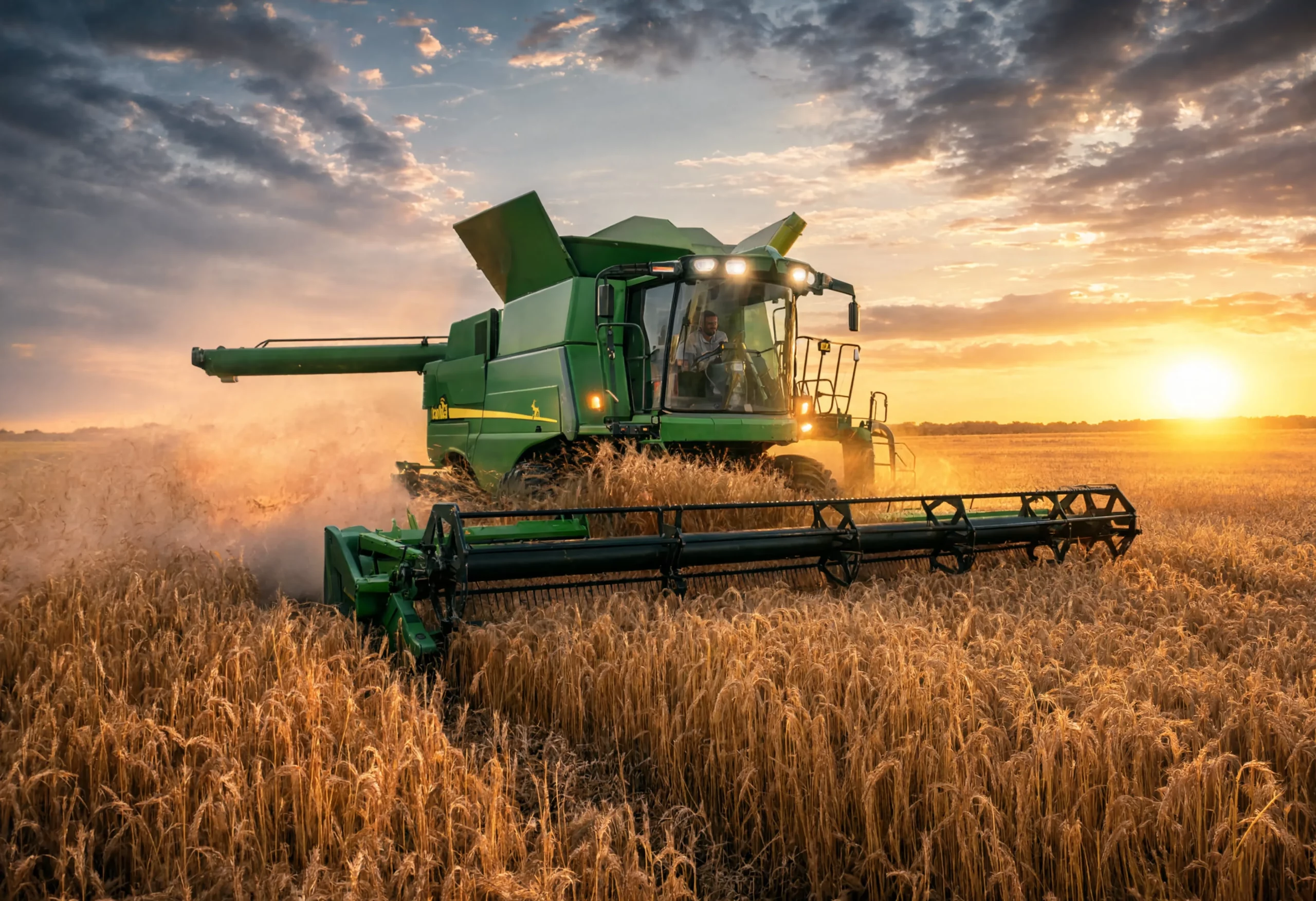
Maintaining identity preserved status requires disciplined processes at every transfer point in the supply chain. Our program begins with seed selection and grower contracts and runs continuously through harvest, storage, processing, and final delivery. At no stage does the grain enter a shared commodity stream.
Step-by-Step Identity Preservation Process
- Seed selection: Growers plant only verified seed stock that meets program variety and trait specifications
- Dedicated grower contracts: Written agreements define production guidelines, input restrictions, and harvest handling requirements
- Segregated harvest: Equipment is cleaned before use and grain is directed into dedicated transport and storage
- Controlled intake: Each lot is assigned a unique identifier at our facility and stored in a dedicated bin
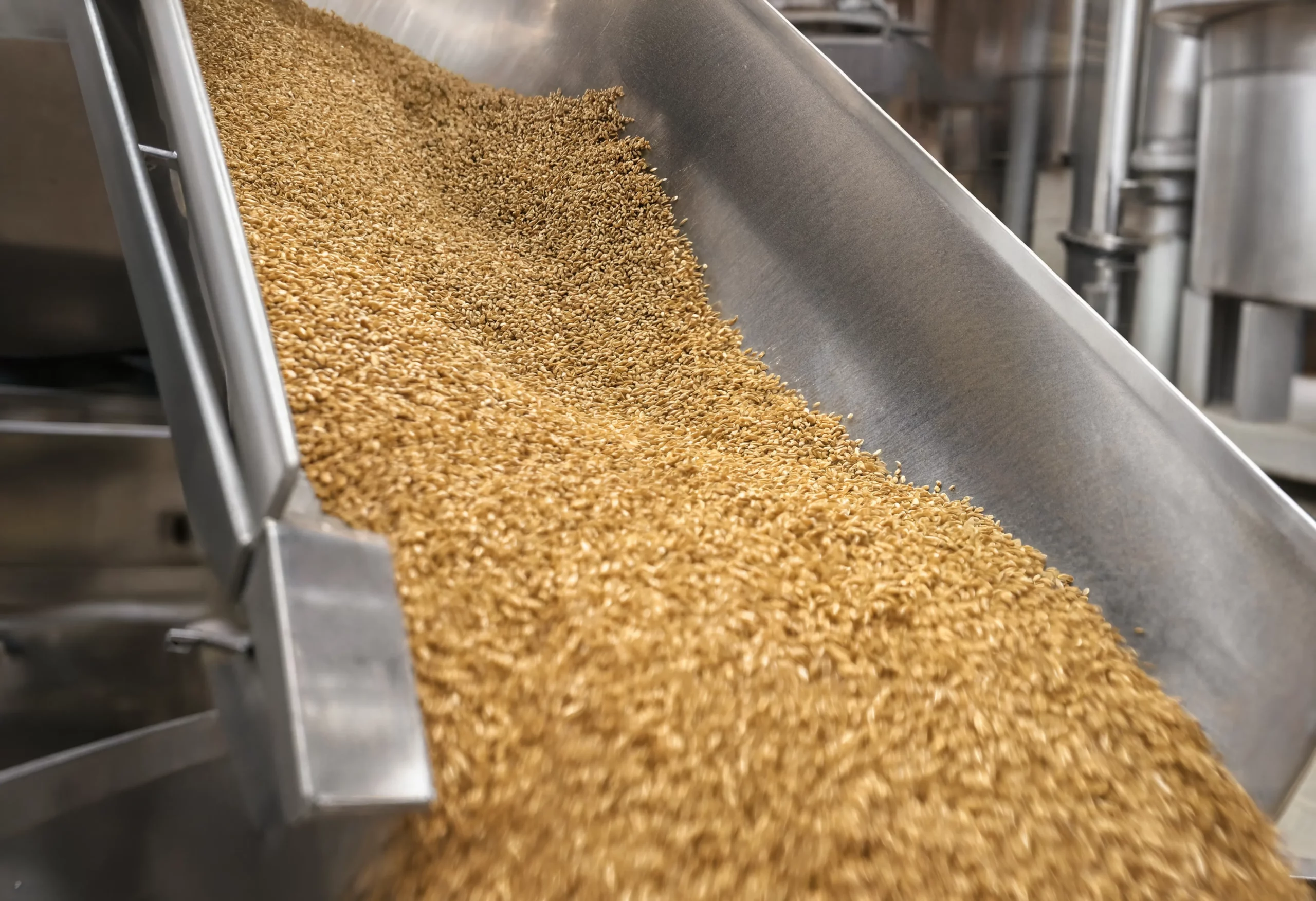
- Precision processing: Our multi-stage cleaning system processes each lot separately, with equipment clearance between runs
- Laboratory testing: Samples are tested for moisture, test weight, purity, and any program-specific parameters such as non-GMO verification or mycotoxin screening
- Pre-shipment documentation: A complete documentation package is prepared before loading, including COA, traceability records, and applicable certificates
- Verified delivery: The lot ships under seal with all documentation included for receiving inspection and audit
Testing is a core component of every identity preserved shipment. Depending on program requirements, we evaluate protein content, moisture levels, test weight, varietal characteristics, and contamination parameters. For buyers who require mycotoxin screening as part of their COA package, read our post on mycotoxin testing in grains for a detailed breakdown of what testing covers and how results are interpreted.
Grain Varieties Available Through Our Identity Preserved Programs
Organic and Non-GMO Corn Plus Specialty Grain Species
Our identity preserved programs are structured around the grain varieties our partner farms grow under contract. Current program availability includes a range of corn varieties and specialty grain species, with organic and non-GMO certification options for most varieties.
Available Identity Preserved Corn Varieties
- Organic yellow corn: The most widely sourced food-grade variety, used in chips, masa, cereals, and distilling
- Organic white corn: Preferred for tortilla flour, hominy, and masa harina production
- Organic blue corn: High-demand specialty variety rich in anthocyanins, traceable to farm of origin
- Organic pink corn: Rare heritage variety for premium branded snack and flour applications
All corn varieties in our identity preserved program are part of our broader wholesale corn grain supply operation and can be sourced with full organic certification, non-GMO verification, or both. For buyers who need a specific variety not listed here, contact our team. We maintain grower relationships across multiple specialty grain crops and can assess availability against your program requirements. You can also browse our full range of specialty corn varieties to understand what is grown and available in our sourcing network.
Contracted Identity Preserved Grain Supply for Food Manufacturers
Long-Term Program Agreements with Defined Volume, Quality, and Delivery Terms
We offer contracted identity preserved grain programs designed for food manufacturers, processors, and distributors who need a reliable, season-over-season supply of verified grain. Contract programs allow both the buyer and our grower network to plan production and inventory around a defined set of specifications, reducing the supply volatility that comes with spot purchasing.
What Our Contract Programs Include
- Clearly defined quality specifications agreed upon before the growing season begins
- Volume commitments that align grower production with your purchasing forecast
- Delivery scheduling tailored to your production calendar and warehouse constraints
- Transparent premium structures that reflect program requirements without hidden costs
- Multi-year relationship options for buyers who need consistent supply across crop years
- Ongoing monitoring of crop progress with pre-harvest quality assessment
Whether you are producing baked goods, cereals, beverages, or specialty food products, our team works to structure a program that fits your operational model. For buyers who also need ongoing bulk logistics support, our bulk grain supply page outlines the packaging formats, shipping options, and freight coordination we provide across all contract programs.
Identity Preserved Grain Contracts and Premium Pricing
Transparent Pricing That Reflects the Value of Verified Supply
Identity preserved grain programs require additional investment across the supply chain, including dedicated storage, equipment segregation, third-party testing, and documentation management. These costs are reflected in the premium pricing that IP grain commands over commodity market benchmarks. We structure our contracts to make that premium visible and justified from the start of the relationship.
Factors That Influence Identity Preserved Premium Levels
- Varietal specificity: Rare or high-demand varieties that require dedicated grower contracts carry higher premiums
- Certification scope: Programs requiring both organic and non-GMO verification involve more testing and documentation cost
- Volume commitment: Higher volume contracts typically support more competitive premium structures
- Segregation complexity: Programs requiring complete equipment dedication or specialized storage carry additional cost
- Testing requirements: Extended COA packages with mycotoxin, protein, or other specialty parameters add to program cost
- Delivery scheduling: Non-standard packaging formats or freight requirements are factored into pricing at the contract stage
Our goal is to create programs that deliver measurable value in both product quality and supply chain efficiency. We work transparently with buyers to ensure that premium structures are well-understood before any contract is signed. To understand how non-GMO premiums and contracts work specifically, our blog post on non-GMO corn contracts and premiums provides a useful reference.
Who Sources Identity Preserved Grains from Clark Specialty Grains
Applications Across Food Manufacturing, Ingredient Distribution, and Specialty Milling
Our identity preserved grain programs serve a broad range of buyers across the food supply chain. What they share is a requirement for grain that performs consistently, documents cleanly, and supports the quality and compliance standards of their operation or brand.
Industries and Buyers We Serve
- Tortilla and chip manufacturers sourcing specific corn varieties for masa consistency and label claims
- Specialty millers and flour producers requiring varietal purity for product differentiation
- Branded natural and organic food companies supporting retail labeling with third-party documentation
- Ingredient distributors and co-packers supplying buyers with formulation-specific grain specifications
- Plant-based food manufacturers needing non-GMO and organic verified grain with audit-ready records
- Craft distilleries and breweries sourcing single-variety grain for flavor profile consistency
- Export buyers requiring country-of-origin and lot-level documentation for import compliance
If your operation falls outside these categories but requires verified, traceable grain supply, reach out to our team. We evaluate each buyer’s program requirements individually and build sourcing solutions around your specifications. You can also review our full range of organic grain products to understand the breadth of what we source and supply.
Frequently Asked Questions About Identity Preserved Grains
What are identity preserved grains?
Identity preserved grains are grain lots that are tracked, segregated, and documented from seed selection through final delivery to maintain the specific characteristics of a defined variety or trait. Unlike commodity grain, which is commingled from multiple sources, identity preserved grains retain a verified chain of custody that buyers can audit and rely on for labeling, formulation, and compliance purposes.
What is the difference between identity preserved grains and non-GMO grain?
Non-GMO verification confirms the absence of genetically modified material through laboratory testing. Identity preservation is a broader supply chain discipline that maintains lot-level traceability, varietal purity, and segregation from planting through delivery. A grain can be identity preserved without being non-GMO verified, and vice versa. Many buyers require both, which is a standard option in our programs. Learn more on our non-GMO grains page.
What documentation comes with an identity preserved grain shipment?
Each shipment is accompanied by a certificate of analysis covering moisture, test weight, and purity data; lot traceability records linking the shipment to the originating field and harvest date; any applicable organic or non-GMO certificates; and program-specific quality verification reports. Documentation packages are customized to match customer audit and compliance requirements.
How do you prevent cross-contamination in your identity preserved grain program?
We use dedicated equipment, segregated storage bins, and controlled transfer protocols at every handling point from harvest through loading. Each lot is assigned a unique identifier that travels with the grain through our facility. Equipment is cleaned and inspected before each use, and we conduct routine sampling and laboratory testing to confirm that segregation standards are being maintained.
What grain varieties are available through your identity preserved program?
Our identity preserved programs cover a range of organic and non-GMO corn varieties including yellow, white, blue, and pink corn, as well as other specialty grain species. Available varieties depend on current crop year supply. Contact our team to discuss specific variety requirements and confirm current availability.
Do identity preserved grains cost more than commodity grain?
Yes. Identity preserved grains typically carry a premium over commodity grain to reflect the additional costs of segregation, dedicated storage, documentation, and testing required throughout the program. Premium levels vary based on variety specificity, testing scope, volume, and overall program complexity. We work with buyers to establish transparent pricing that reflects the measurable value these programs deliver.
Can you supply identity preserved grains under a long-term contract?
Yes. We offer contracted identity preserved grain programs with defined volume commitments, delivery schedules, quality specifications, and premium structures. Long-term contracts provide supply stability for buyers and allow us to align grower production with your requirements across multiple crop years. Contact our team to discuss contract options.
Get Started with an Identity Preserved Grain Program
If you are looking for a trusted partner to support your identity preserved grain supply, Clark Specialty Grains brings the grower relationships, facility infrastructure, and documentation systems needed to deliver verified, traceable grain at scale. From single-variety corn programs to multi-species sourcing agreements, we build programs around your requirements, not the other way around.
Review our food-grade grain standards, explore our wholesale corn grain offerings, or reach out directly to start the conversation. Our team responds quickly and can provide program structure, pricing, and availability information based on your specific needs.
Submit a program inquiry online or call us at (308) 537-2004. We are ready to build a sourcing solution that holds up across every crop year.