
How Do Corn Wholesale Distributors Support Food Brands?
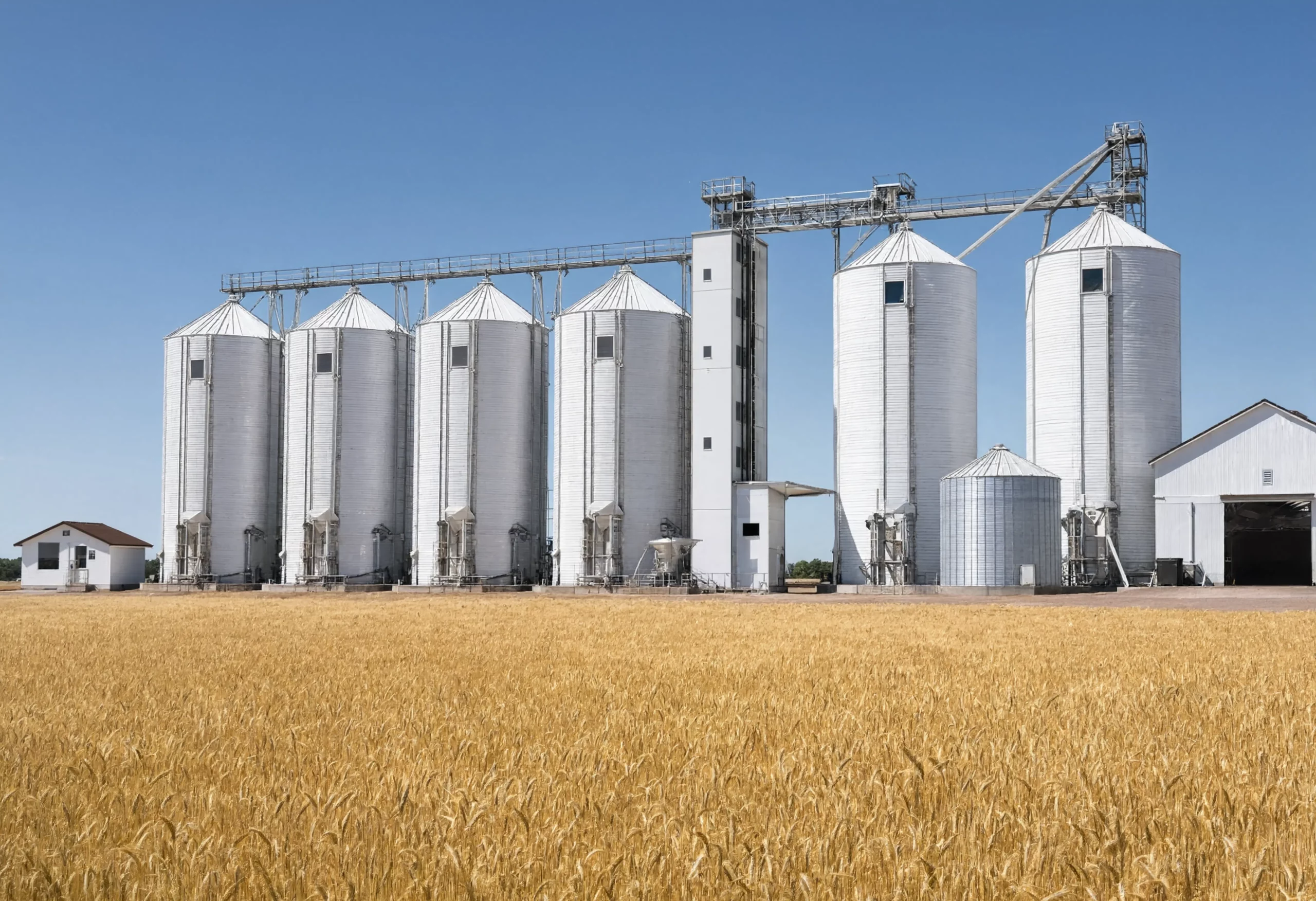
For food brands that depend on a consistent grain supply, corn wholesale distributors play a critical role in keeping production moving efficiently. Whether a company produces tortillas, cereals, snack foods, baking ingredients, beverages, extruded products, or specialty food items, dependable access to high-quality corn is essential. At a production scale, sourcing corn is not simply a matter of finding available grain. Food manufacturers need the right variety, the right specifications, the right documentation, and the right delivery schedule to meet customer demand without disrupting operations.
Corn is one of the most widely used ingredients in the food industry, but not all corn is the same. Food-grade corn must meet strict standards for quality, cleanliness, consistency, safety, and traceability. For brands working with organic, non-GMO, or specialty corn varieties, the sourcing process becomes even more important. A strong distribution partner helps bridge the gap between growers, processors, and manufacturers by making sure the corn supply is reliable, scalable, and aligned with production needs.
Wholesale corn distribution supports far more than procurement. It helps food brands manage ingredient availability, control quality, reduce supply chain uncertainty, and plan ahead with confidence. The right distributor can become a long-term strategic partner, especially for companies that need specialty grains, identity-preserved products, or food-grade corn varieties with dependable performance.
How Corn Wholesale Distributors Help Food Manufacturers
Food manufacturers operate on tight production schedules. Ingredient shortages, inconsistent quality, or delayed deliveries can create expensive problems, from halted production lines to missed customer orders. Corn wholesale distributors help reduce these risks by providing structured supply solutions designed for commercial food production.
A distributor typically works with growers, grain handlers, processors, mills, transportation providers, and food brands to coordinate the movement of corn from the field or storage facility to the manufacturing site. This coordination helps manufacturers avoid the complexity of managing every supplier relationship directly. Instead of sourcing from multiple farms or brokers, buyers can work through a distributor that understands food-grade requirements and production-scale logistics.
One of the biggest advantages distributors provide is access. A food brand may need yellow corn for one product line, white corn for another, and specialty blue corn for a premium snack or bakery item. Rather than searching for each variety separately, a qualified distributor can help identify available options, confirm specifications, and provide the volume needed for ongoing production.
Corn distributors also help manufacturers maintain product consistency. If a brand uses corn as a major ingredient, changes in color, texture, moisture, kernel quality, or flavor can affect the finished product. Consistency is especially important for consumer-facing food brands because customers expect the same quality every time they purchase a product. A reliable distributor helps support that consistency by sourcing from trusted supply networks and maintaining quality standards across orders.
What to Expect From Bulk Corn Distribution
Bulk corn distribution is designed to support larger-volume buyers that need a dependable supply on a recurring basis. The process often begins with identifying the buyer’s product requirements. These may include corn type, color, variety, grade, organic or non-GMO status, moisture range, delivery format, packaging, volume, shipping frequency, and food safety documentation.
Once the requirements are clear, the distributor helps match the buyer with the right supply. For food brands, this step is especially important because corn used in food production must be suitable for its intended application. For example, corn used in tortilla manufacturing may require different characteristics than corn used for cereal, cornmeal, flour, snack production, or brewing applications. The distributor’s knowledge of grain characteristics can help buyers make more informed sourcing decisions.
Bulk distribution may include whole kernel corn, specialty corn varieties, cleaned grain, or other forms, depending on the distributor’s capabilities and the customer’s needs. In many cases, buyers also need clear communication about lead times, minimum order quantities, seasonal availability, and projected supply. A dependable distributor should be able to discuss these details early so food brands can plan accurately.
Food brands should also expect documentation and quality controls to be part of the bulk distribution process. For organic and non-GMO corn, buyers may need certificates, lot information, traceability records, or other supporting documentation. These records help support internal quality systems, customer audits, labeling requirements, and food safety programs.
Bulk corn distribution is not just about shipping large amounts of grain. It is about creating a repeatable supply process that helps manufacturers receive the right product at the right time and in the right condition.
Choosing a Distribution Partner for Grain Supply
Selecting a corn distributor is a significant decision for any food brand. Ingredient quality affects finished product quality, and supply reliability affects production stability. The right partner should understand the food industry, provide transparent communication, and demonstrate a proven ability to support commercial grain needs.
Buyers should begin by evaluating whether a distributor has experience with food-grade corn. Commodity grain and food-grade grain are not always handled the same way. Food manufacturers often require higher levels of documentation, product integrity, cleanliness, and consistency. A distributor that understands these requirements can help reduce risk and simplify the sourcing process.
It is also important to consider the distributor’s product range. Many food brands need flexibility as their product lines grow. A company may start with one type of corn and later need additional varieties for new formulations. Working with a supplier that offers yellow, white, blue, purple, pink, organic, and non-GMO corn options can make it easier to expand without rebuilding the supply chain from scratch.
Communication is another key factor. Food production teams need to know when the product is available, when it will ship, and whether any supply issues are expected. A strong distribution partner communicates clearly and proactively. This helps manufacturers adjust purchasing plans, schedule production runs, and avoid last-minute disruptions.
Services Corn Wholesale Distributors Should Offer
A qualified corn wholesale distributor should provide more than product availability. The best partners offer services that support the full sourcing and delivery process. These services may include product consultation, variety selection, quality documentation, volume planning, logistics coordination, and ongoing account support.
Product consultation is especially valuable for brands working with specialty corn. Not every variety performs the same way in production. Color, kernel size, flavor profile, starch content, and processing behavior may all influence the final product. A knowledgeable distributor can help buyers understand which corn variety may be best suited for their application.
Quality documentation is another important service. Food manufacturers often need proof that their corn meets specific standards. This may include organic certification, non-GMO verification, food-grade documentation, lot tracking, or safety-related records. A reliable distributor should be prepared to support these needs and provide documentation in a timely manner.
Logistics coordination is also essential. Distribution partners should be able to help arrange deliveries that align with the buyer’s receiving capacity and production schedule. Depending on the order size and destination, this may involve truckload shipments, scheduled deliveries, or other transportation arrangements. Effective logistics support helps reduce downtime and keeps inventory moving smoothly.
Delivery, Volume, and Product Consistency
At production scale, delivery reliability is one of the most important parts of grain supply. Even high-quality corn can create problems if it does not arrive when needed. Food manufacturers often work with planned production windows, labor schedules, warehouse limits, and customer deadlines. Late or inconsistent deliveries can affect all of these areas.
A strong corn distribution partner helps buyers plan around realistic lead times and dependable delivery schedules. This includes understanding how much product the buyer needs, how often they need it, and whether demand changes seasonally. For growing food brands, the ability to scale volume over time is especially important. A distributor should be able to support both current demand and future growth whenever possible.
Product consistency matters just as much as delivery. Food brands need corn that performs consistently from batch to batch. Differences in quality can affect flavor, color, texture, processing efficiency, and finished product appearance. For specialty products, color consistency can be especially important. A blue corn chip, white corn tortilla, or purple corn ingredient must meet consumer expectations visually as well as functionally.
Distributors help support consistency by working with trusted sources, maintaining clear specifications, and monitoring supply quality. While natural agricultural variation can occur, experienced distributors understand how to manage expectations and help buyers maintain dependable ingredient standards.
How Distribution Impacts Food Production Planning
Corn distribution has a direct effect on food production planning. Manufacturers need to know what ingredients are available, when they will arrive, and how much can be secured for future use. Without this visibility, production teams may struggle to schedule runs, manage inventory, or commit to customer orders.
A reliable distribution partner helps manufacturers plan with greater confidence. By discussing forecasted demand, seasonal needs, and expected purchasing patterns, buyers and distributors can create a more stable supply process. This is especially important for brands that rely on organic or non-GMO corn, since these supply chains may require more planning than conventional commodity sourcing.
Distribution also affects cash flow and storage planning. Ordering too much corn can create storage challenges, while ordering too little can increase the risk of shortages. A distributor can help buyers think through order frequency, shipment size, and volume commitments so they can balance availability with operational efficiency.
For brands launching new products, distribution support can be especially valuable. New product development often requires ingredient testing, sample evaluation, pilot runs, and eventual scale-up. A distributor that understands this process can help support the transition from product development to commercial production. This makes it easier for food brands to bring new corn-based products to market without supply issues slowing progress.
FAQ
What do corn wholesale distributors do?
Corn wholesale distributors help food brands source, manage, and receive corn in larger commercial volumes. They coordinate supply, documentation, logistics, and delivery so manufacturers can maintain reliable production.
Why should food brands work with a corn distributor instead of buying directly?
Working with a distributor can simplify sourcing, reduce vendor management, improve supply reliability, and provide access to multiple corn varieties through one partner. Distributors can also help with quality documentation and delivery coordination.
What types of corn can food brands source through wholesale distributors?
Depending on the supplier, food brands may be able to source yellow, white, blue, purple, pink, organic, non-GMO, and other specialty corn varieties. Availability may vary based on season, volume, and product specifications.
Is non-GMO corn important for food manufacturers?
Non-GMO corn is important for brands that want to meet consumer demand, support specific label claims, or align with retailer and customer requirements. It also requires careful sourcing and documentation to maintain product integrity.
How does corn distribution support production planning?
Reliable distribution helps manufacturers forecast ingredient supply, schedule production runs, manage inventory, and reduce the risk of delays. This is especially important for brands with recurring production needs or growing customer demand.
What should buyers look for in a corn wholesale distributor?
Buyers should look for food-grade expertise, product consistency, clear documentation, reliable delivery, strong communication, and the ability to support both current and future volume needs.
Can distributors support specialty corn products?
Yes. Experienced distributors can help food brands source specialty corn varieties such as blue, white, purple, pink, and organic or non-GMO corn. These varieties are often used in premium foods, snacks, tortillas, baked goods, cereals, and specialty ingredients.
Partner With Clark Specialty Grains for Premium Corn Supply
When your food brand depends on consistent, high-quality corn, choosing the right distribution partner matters. We are your premier non-GMO corn and grain supplier in the US, proudly serving the food industry with exceptional specialty grain products. As a family-owned business with over 18 years of experience, we are committed to delivering the highest quality organic and non-GMO corn varieties with a focus on excellence, sustainability, safety, and customer trust.
From yellow and white corn to blue, purple, and pink varieties, we offer a diverse range of food-grade corn options for manufacturers that need dependable quality at a production scale. Whether you are sourcing the finest blue corn, expanding a specialty product line, or looking for a trusted long-term grain supply partner, we are ready to help you meet your production goals.
Contact us today to learn more about premium organic and non-GMO corn varieties for your food brand.