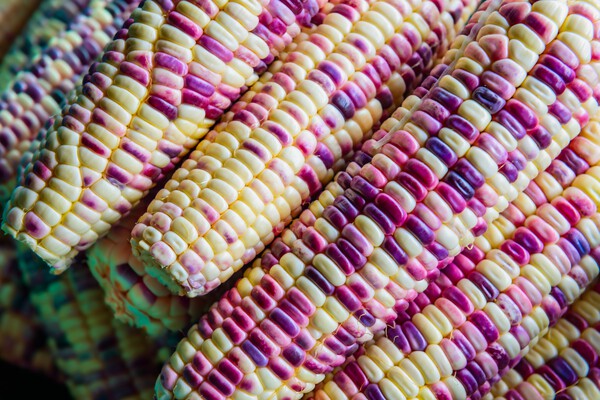
In recent years, the agricultural landscape has undergone a transformation, one driven by a combination of ecological awareness, consumer demand, and the need for food security in the face of climate change. At the forefront of this shift are sustainable farming practices and the increasing popularity of specialty grains. Together, they represent a powerful synergy that benefits not only the environment but also farmers and food producers who seek to meet the rising demand for healthy, responsibly grown ingredients.
Principles of Sustainable Farming
Sustainable farming practices are more than a trend—they are a necessary evolution of traditional agriculture. These practices aim to reduce environmental impact, conserve natural resources, and support farmers’ economic viability.
Eco-Friendly Cultivation Techniques
Eco-friendly cultivation focuses on minimizing chemical inputs and maximizing ecological balance. These techniques include:
Crop Rotation: Rotating crops helps manage soil fertility and pest control without synthetic fertilizers or pesticides. For example, rotating legumes with grains naturally replenishes nitrogen in the soil.
Cover Cropping: Cover crops like clover or rye are planted during off-seasons to prevent soil erosion, suppress weeds, and improve soil structure.
Conservation Tillage: Reducing the frequency and intensity of plowing preserves soil organic matter, improves water retention, and reduces erosion.
Integrated Pest Management (IPM): IPM promotes biological pest control using beneficial insects and careful monitoring, minimizing pesticide use.
Organic Inputs: Sustainable farms often rely on compost, manure, and organic mulches instead of synthetic fertilizers and herbicides.
These methods work together to build resilient agricultural systems capable of withstanding climate variability while producing high-quality yields.
Benefits for Soil and Water Conservation
Healthy soil and clean water are the lifeblood of agriculture. Sustainable farming practices contribute directly to preserving both.
Soil Health: Practices like reduced tillage, organic amendments, and biological diversity increase the microbial life and organic matter in soil, boosting its fertility and resilience.
Water Efficiency: By improving soil structure, sustainable practices enhance the soil’s ability to absorb and retain moisture, reducing the need for irrigation. Additionally, techniques like drip irrigation reduce water waste.
Reduced Runoff: Cover cropping and organic inputs reduce surface runoff, thereby lowering the risk of water contamination from pesticides and fertilizers.
How Specialty Grains Contribute to Sustainability
Specialty grains—including ancient grains, heirloom varieties, and non-GMO corn—play a crucial role in promoting and enabling sustainable agriculture. Their resurgence aligns with shifting consumer values and the need for environmentally friendly food systems.
Nutritional and Environmental Advantages
Specialty grains often boast higher nutritional profiles and are grown using methods that support sustainable goals.
Diverse Genetics: These grains maintain genetic diversity, making crops more resilient to pests, diseases, and climate fluctuations.
Lower Input Requirements: Many specialty grains thrive with fewer synthetic inputs, making them ideal candidates for organic and regenerative farming systems.
Adaptability: Heirloom and ancient grains are often well-suited to specific local climates, reducing the need for intensive irrigation or chemical support.
Carbon Sequestration: Some specialty grain crops, particularly those grown with cover cropping and minimal tillage, help sequester carbon in the soil.
Market Demand and Economic Incentives
As consumers become more health-conscious and environmentally aware, the demand for sustainably grown specialty grains has surged. This demand translates to:
Premium Pricing: Farmers growing specialty grains can command higher prices, creating financial incentives for sustainable farming.
Value-Added Products: Specialty grains open opportunities for niche products such as organic tortillas, artisan breads, and natural snack foods.
Direct-to-Consumer Sales: Farmers markets, co-ops, and farm-to-table programs allow growers to bypass middlemen and retain more of their profits.
Real-World Success Stories in Sustainable Agriculture
The synergy between sustainable farming and specialty grain cultivation is more than theoretical—it is actively shaping the future of agriculture through innovative farmers and visionary enterprises.
Examples from Leading Farms
Across the U.S., pioneering farms are showcasing what’s possible when sustainability meets specialty grain cultivation.
Blue Corn in the Southwest: Indigenous communities and eco-conscious farms are reviving traditional blue corn varieties using dryland farming techniques, preserving heritage while minimizing water usage.
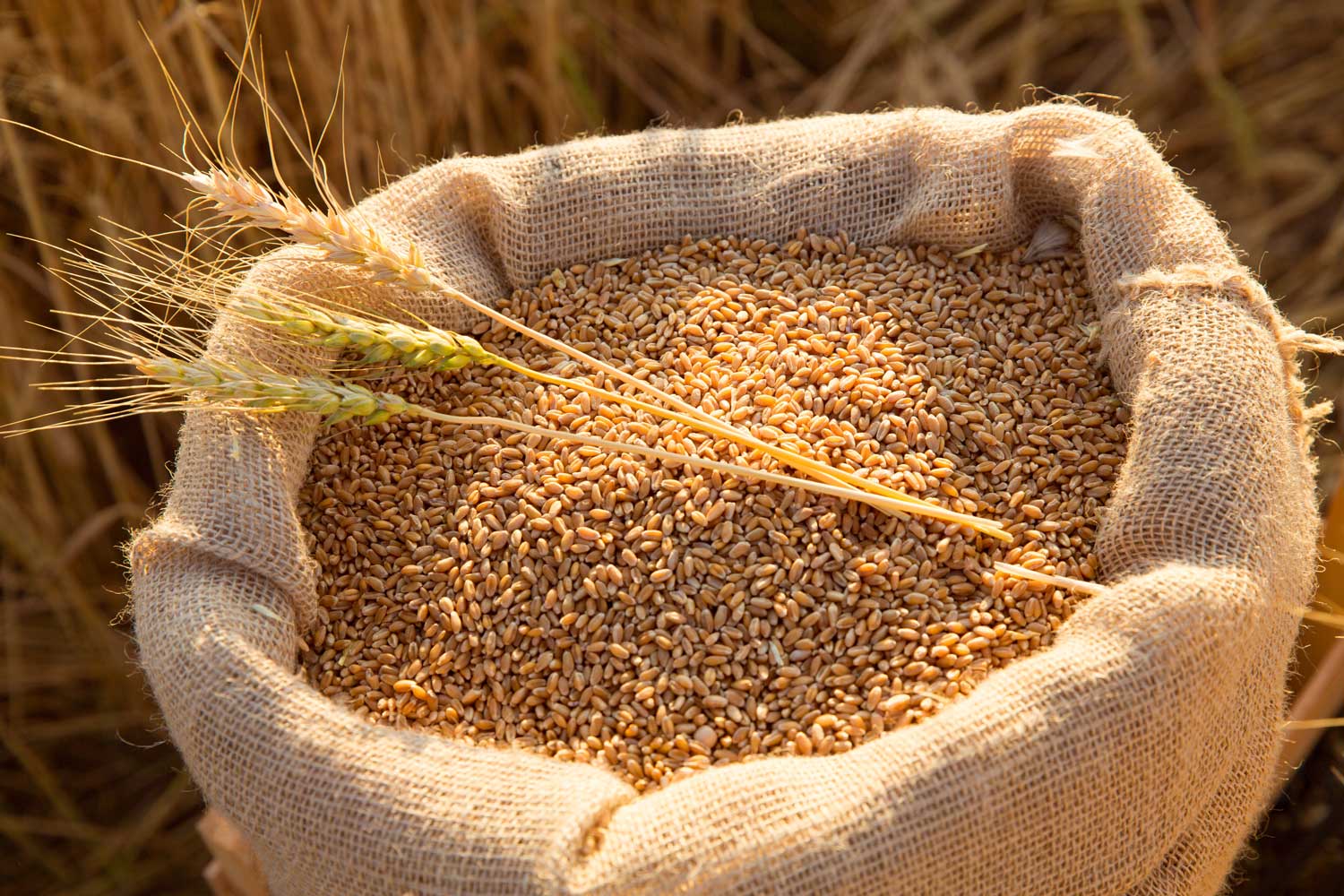
Regenerative Wheat in the Midwest: Some family farms have transitioned to regenerative systems using heritage wheat varieties. These systems emphasize soil regeneration, reduced chemical inputs, and carbon capture.
Organic Heirloom Grains in the Northeast: Small-scale operations in New England are growing ancient grains like emmer and einkorn using organic methods. These grains are prized for their digestibility and rich flavor, supporting local bakeries and health food producers.
The Clark Specialty Grains Model
Among the leaders in this field is Clark Specialty Grains, a family-owned enterprise with over 18 years of experience in supplying the U.S. food industry with premium organic and non-GMO corn varieties. Our dedication to sustainable farming practices has helped elevate the profile of specialty grains while promoting agricultural responsibility.
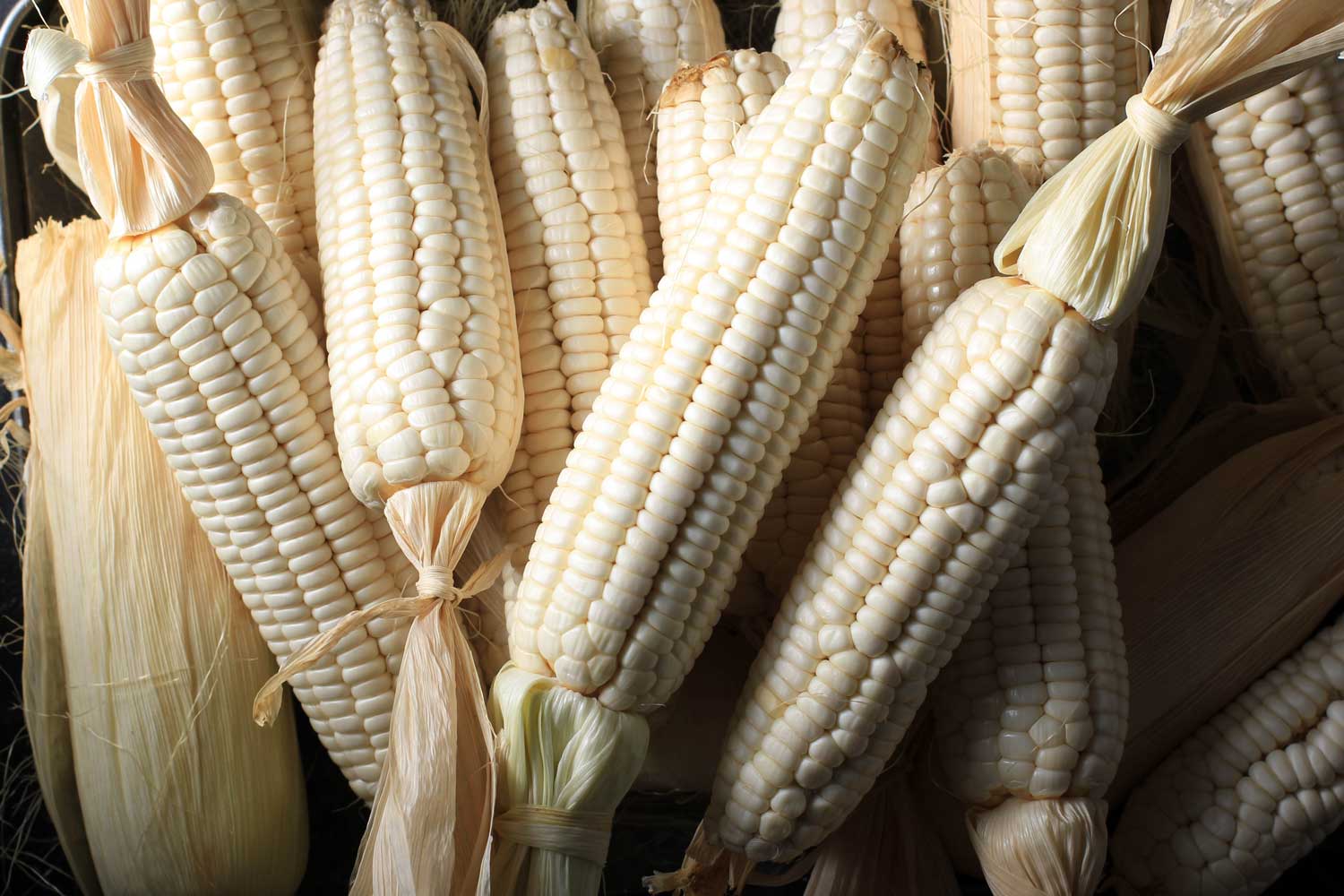
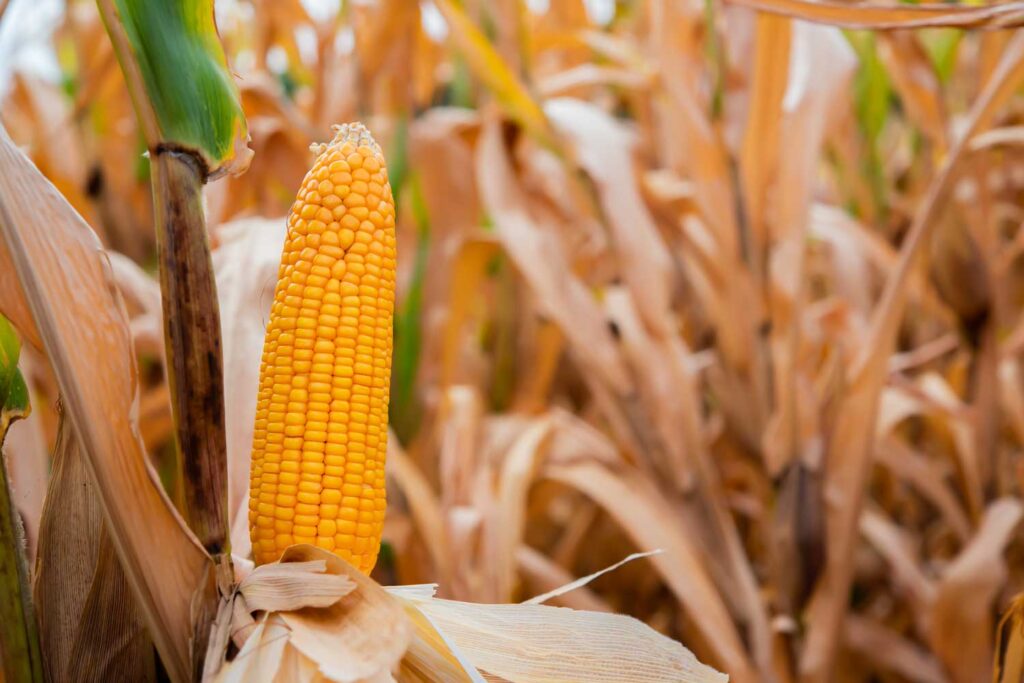
Clark Specialty Grains works directly with farmers committed to soil health, biodiversity, and ecological stewardship. By sourcing and distributing varieties such as blue, purple, yellow, white, and even pink corn, we offer food producers not only visual and flavor diversity but also the assurance that our ingredients are grown responsibly.
Our partnerships support growers who prioritize:
Non-GMO Integrity: Avoiding genetically modified organisms aligns with consumer demand for transparency and health.
Regional Resilience: Sourcing grain varieties suited to specific climates ensures long-term viability and reduced ecological strain.
Clark Specialty Grains exemplifies the potential of merging traditional values with modern sustainability goals.
Moving Toward a More Sustainable Future
Sustainable farming practices and specialty grains represent a powerful duo as we face global challenges, including climate change, soil degradation, and water scarcity. Their adoption supports a food system that is resilient, equitable, and environmentally sound.
For stakeholders across the agricultural spectrum—whether you are a consumer, farmer, food manufacturer, or policymaker—the rise of specialty grains grown using eco-friendly methods is a call to action. It is a reminder that the choices we make in the field and on our plates ripple outward, impacting ecosystems, economies, and future generations.
Partner with Clark Specialty Grains: Your Trusted Non-GMO Corn Supplier
At Clark Specialty Grains, we believe that sustainability and quality go hand in hand. As a family-owned company with nearly two decades of experience, we take pride in delivering the finest organic and non-GMO corn varieties to discerning clients across the U.S. Our product lineup includes a rich spectrum of corn varieties—yellow, white, blue, purple, and pink—each cultivated with a commitment to environmental responsibility and food safety.
Whether you’re a food manufacturer seeking unique, high-quality ingredients or a farmer looking for a trusted partner in sustainable grain sourcing, Clark Specialty Grains is here to help you thrive.
Ready to join the sustainable farming revolution?
Contact us to learn more about our premium non-GMO corn products and how we can support your sustainability goals. Let’s build a better food system together—one kernel at a time.
The world of nutrition has seen a significant shift over the last decade, with rising demand for gluten-free grains and health-conscious alternatives taking center stage. Whether due to medical necessity, dietary preference, or a desire for clean eating, more people are exploring the benefits of gluten-free living, and specialty grains are emerging as powerful players in this movement.
For those with celiac disease, gluten intolerance, or sensitivities, removing gluten from the diet is not optional—it’s vital. But even for those without specific medical issues, gluten-free grains offer unique nutritional benefits that can elevate your health and diversify your meals.
What Makes Grains Gluten-Free?
Gluten is a protein found in certain cereal grains, primarily wheat, barley, and rye. When mixed with water, gluten forms an elastic network that gives dough its chewiness and structure. While it’s harmless to many, gluten can trigger serious health problems for some individuals.
Grains are considered gluten-free if they do not contain this protein or have not been cross-contaminated during processing. Some of the most popular naturally gluten-free grains include:
Corn (maize) – One of the most widely consumed gluten-free grains, corn is incredibly versatile and rich in nutrients.
Rice – Particularly brown and wild rice varieties, which contain more fiber and antioxidants.
Quinoa – A complete protein and a staple among gluten-free eaters.
Millet – Mild in flavor and high in magnesium.
Amaranth – Packed with protein, fiber, and iron.
Sorghum – High in antioxidants and gluten-free by nature.
Teff – A tiny grain with huge nutritional benefits, especially calcium.
Buckwheat – Despite its name, it’s not related to wheat and is entirely gluten-free.
Gluten-Free vs. Traditional Grains
When comparing gluten-free grains to traditional gluten-containing grains like wheat or barley, it becomes clear that gluten-free options can offer just as much, if not more, nutritional value. Many gluten-free grains are whole grains, retaining their bran and germ, which means they’re naturally higher in fiber, vitamins, and minerals.
In contrast, refined wheat products are often stripped of these nutrients during processing. For those aiming to boost nutrient intake while avoiding gluten, specialty grains offer a powerhouse of benefits.
Nutritional Advantages of Gluten-Free Specialty Grains
Beyond the basic need to avoid gluten, many people turn to gluten-free grains for their impressive nutritional profiles. These grains provide a rich tapestry of vitamins, minerals, fiber, and even protein.
Fiber-Rich and Gut-Friendly
Most specialty grains retain their whole-grain status, meaning they’re high in dietary fiber. Fiber is essential for digestive health, helping to maintain regular bowel movements and promoting beneficial gut bacteria. Sorghum, quinoa, and amaranth are particularly high in fiber.
Complete Proteins and Amino Acids
Quinoa and amaranth are considered complete proteins, containing all nine essential amino acids. This is rare among plant foods and incredibly beneficial for vegetarians, vegans, and gluten-free eaters seeking to maintain muscle mass and support immune function.
Vitamins and Minerals Galore
Magnesium (found in millet, teff, and amaranth) helps regulate blood pressure and supports muscle and nerve function.
Iron (high in teff and amaranth) is vital for oxygen transport and energy levels.
Zinc and B vitamins found in whole grains support metabolism and cellular repair.
Calcium, notably present in teff, aids in bone strength—particularly important for gluten-sensitive individuals who may be at higher risk of osteoporosis.
Antioxidants and Phytonutrients
Colorful specialty grains like blue corn and purple corn are rich in anthocyanins—potent antioxidants that may help reduce inflammation and protect against chronic diseases. These grains are not only functional in meals but also visually striking, making them a great addition to your culinary repertoire.
Health Benefits for Sensitive Diets
For those with gluten intolerance or celiac disease, eating gluten-free is essential to prevent intestinal damage and nutrient malabsorption. But even people without diagnosed conditions report feeling lighter, more energetic, and less bloated on a gluten-free diet.
Specialty grains can:
Reduce inflammation
Improve digestion
Support healthy weight management
Stabilize blood sugar levels
Promote heart health through fiber and phytonutrient intake
Incorporating Gluten-Free Grains into Your Diet
Adopting a gluten-free lifestyle doesn’t mean sacrificing taste, texture, or variety. Specialty grains provide exciting ways to enrich your diet, whether in savory entrees, hearty breakfasts, or nutrient-dense snacks.
Simple Swaps for Everyday Meals
Swap wheat pasta for quinoa pasta or brown rice noodles.
Use cornmeal or blue corn flour in place of wheat flour for cornbread, tortillas, or pancakes.
Try millet or teff as a breakfast porridge alternative to oats (many commercial oats are cross-contaminated unless labeled gluten-free).
Substitute sorghum or wild rice in grain bowls or pilafs.
Bake with amaranth flour or blend it with almond or coconut flour for added protein and fiber.
Simple Recipes and Meal Plans
Here are a few easy ways to introduce gluten-free grains into your weekly rotation:
1. Blue Corn Pancakes
Ingredients: Blue cornmeal, baking powder, eggs, milk (or dairy-free alternative), and a touch of maple syrup.
Benefits: High in anthocyanins, visually striking, and kid-friendly.
2. Quinoa Stuffed Peppers
Ingredients: Cooked quinoa, black beans, corn, diced tomatoes, cumin, and bell peppers.
Benefits: A complete protein meal with vibrant colors and Mexican-inspired flavors.
3. Millet Porridge with Berries
Ingredients: Cooked millet, almond milk, cinnamon, honey, and fresh berries.
Benefits: Gut-soothing and nutrient-dense breakfast.
4. Teff Tacos with Purple Corn Tortillas
Ingredients: Teff-based veggie filling (sautéed with onion, garlic, and spices), served in soft purple corn tortillas.
Benefits: Iron- and calcium-rich, plus fun to make and eat.
Benefits: High in fiber, great for meal prepping, and satisfying for lunches.
Meal planning with gluten-free grains ensures you get a variety of essential nutrients while keeping meals fresh and exciting. Most of these grains are easy to cook, just like rice, and can be made in batches for the week.
Specialty Grains: A Delicious Future for Gluten-Free Living
As the demand for nutritious, gluten-free options grows, more people are discovering the value of specialty grains—not just as replacements for gluten, but as better, smarter choices for health. The diversity of grain types, textures, and colors creates endless possibilities for creative and nourishing meals.
Sustainability also plays a key role. Many specialty grains are more drought-tolerant and environmentally friendly than traditional wheat, meaning your diet can also help support agricultural resilience and responsible farming practices.
Discovering the Best Gluten-Free Grains
Whether you’re just beginning to explore a list of gluten free grains or you’ve been living grain-free for years, knowing the best gluten free grains is key to both taste and nutrition. From hearty gluten free whole grains like brown rice and buckwheat to gluten free ancient grains such as quinoa and teff, each variety brings its own unique texture and flavor. By understanding what sets these grains apart—whether it’s their protein profile, fiber content, or antioxidant levels—you’ll feel confident choosing the right base for any meal.
Creative Cooking with Gluten-Free Grains
When it comes to cooking with gluten free grains, a little experimentation goes a long way. Try swapping traditional wheat in your favorite dishes for:
Quinoa gluten free bowls topped with roasted veggies
Amaranth gluten free porridge sweetened with honey and fruit
Millet gluten free pilafs studded with nuts and herbs
Buckwheat gluten free pancakes drizzled in maple syrup
Teff gluten free flatbreads or sorghum gluten free salads for a crunchy twist
If you’re eager to dive into gluten free grain recipes, you’ll quickly discover that these ingredients aren’t just for breakfast. Their versatility spans from gluten free grains for baking—think fluffy muffins made with gluten free flour alternatives—to savory loaves of gluten free grain bread that rival any sandwich loaf. Beyond taste, the gluten free grains nutrition profile shines: they’re packed with fiber, minerals, and often complete proteins, making them perfect for gluten free grains for breakfast, hearty snacks, or even creative gluten free grains and seeds toppings. And for anyone dealing with gluten intolerance grains, these substitutes ensure you never have to compromise on variety or health.
Why Choose Clark Specialty Grains?
When it comes to sourcing the best gluten-free grains, Clark Specialty Grains is your go-to partner. As a family-owned business with over 18 years of experience, we are committed to providing premium, food-grade, non-GMO corn and grain varieties that meet the highest standards of quality, safety, and sustainability.
From yellow and white corn to vibrant blue, purple, and pink varieties, Clark Specialty Grains delivers flavor, color, and nutrition with every batch. Our organic and specialty products are ideal for food manufacturers, health-conscious consumers, and culinary innovators looking to stand out.
Whether you’re a business seeking reliable wholesale partners or a health food enthusiast looking to enhance your pantry, Clark Specialty Grains offers:
Certified non-GMO and organic options
Superior food-grade corn quality
A trusted reputation across the industry
Sustainable sourcing and family-driven values
Discover the Power of Specialty Grains Today
Going gluten-free doesn’t have to be limiting—it can be a delicious, health-enhancing adventure when you harness the potential of specialty grains. Whether you’re managing gluten sensitivity or simply exploring new superfoods, grains like quinoa, sorghum, teff, and colorful corn varieties offer unmatched benefits.
Are you ready to explore the world of gluten-free grains and elevate your nutrition? Trust Clark Specialty Grains to supply the finest specialty corn and grains in the U.S. Contact us to learn more about our products, commitment to quality, and how we can help you bring flavorful, healthful innovation to your kitchen or business.
Currently, modern agriculture is undergoing a renaissance. While conventional row crops like corn, wheat, and soybeans continue to dominate much of the global landscape, a quiet revolution is underway. Indeed, this revolution is led by specialty grains. Moreover, these unique and diverse crops are transforming how we think about productivity, sustainability, and food quality. For example, from driving forward modern agriculture trends to creating resilient, ecologically balanced farming systems, specialty grains are reshaping the future of food and farming.
Modern Agriculture Trends: Evolution of Farming Practices
For decades, agriculture followed a path of mechanization, chemical dependency, and monoculture. While this approach helped feed a growing global population, it had trade-offs: soil degradation, water resource strain, and reduced biodiversity. In recent years, however, awareness around these issues has driven a significant shift in agricultural thinking.
Farmers, agronomists, and investors are now seeking smarter, more sustainable approaches to farming. As a result, they have embraced specialty grains. Indeed, these grains are valuable for their unique nutritional profiles and aesthetic appeal. Furthermore, they support regenerative farming systems. Overall, these trends define current modern agriculture trends.
Specialty Grains in Sustainable Farming
Specialty grains, such as blue, purple, red, and white corn, as well as ancient grains like quinoa, millet, amaranth, and sorghum, offer a compelling case for sustainable agriculture. In addition, they present a pathway toward ecological balance and long-term productivity. Indeed, they are central to many current modern agriculture trends.
Modern Agriculture Trends for Soil Health and Biodiversity
One primary benefit of incorporating specialty grains into crop rotations is their positive impact on soil health. Traditional corn and soybean rotations often strip the soil of nutrients. Consequently, they require synthetic fertilizers that can harm microbial life and pollute waterways.
In contrast, many specialty grains have deeper root systems and different nutrient requirements. Therefore, they help:
Reduce soil erosion
Improve organic matter content
Foster microbial activity
Break disease cycles in continuous monoculture systems
Additionally, diverse planting systems that include specialty grains create habitats for pollinators and beneficial insects. This contributes to on-farm biodiversity. Indeed, biodiversity supports the ecosystem and enhances farm resilience against pests, diseases, and climate volatility. These outcomes reflect top modern agriculture trends in action.
Case Studies in Specialty Grain Farming
Several progressive farms across the U.S. have demonstrated the power of specialty grains. For example:
Iowa, a farm transitioning from conventional corn to organic blue corn saw a 25% increase in profitability due to access to premium markets.
Kansas, growers of food-grade white corn reported improved soil tilth and reduced reliance on herbicides after three seasons.
New Mexico, indigenous communities cultivating heritage purple corn have revived traditional practices while generating income through specialty markets.
These success stories illustrate that specialty grains are more than niche crops. Indeed, they are vital components of a modern, resilient agricultural strategy. Ultimately, they reflect leading modern agriculture trends.
Modern Agriculture Trends: Future of Crop Diversity and Innovation
As the agricultural landscape evolves, key trends are pushing specialty grains into the mainstream. Moreover, technology and consumer demand both play critical roles in these modern agriculture trends.
Modern Agriculture Trends: Innovations in Farming Technology
Advancements in agricultural technology make it easier than ever to grow, monitor, and market specialty grains. For instance, precision farming tools, such as drone imaging, GPS-guided equipment, and soil moisture sensors, enable farmers to manage diverse crop systems efficiently. Furthermore, these tools support key modern agriculture trends.
Remote sensing allows early detection of disease or nutrient deficiencies in specialty grain fields.
Data analytics platforms identify optimal planting schedules and harvest windows.
Specialized cleaning, drying, and processing equipment now costs less, making it feasible for smaller operations to produce food-grade specialty grains.
Furthermore, blockchain technology and traceability platforms help farmers differentiate their products. Indeed, these platforms certify crops as non-GMO, organic, or sustainably grown. Consequently, buyers in the food and beverage industry can trust ingredient quality—another hallmark of modern agriculture trends.
Modern Agriculture Trends: Expanding Consumer Demand
Consumer preferences are shifting rapidly toward healthier, more nutritious, and ethically produced food. Thus, specialty grains meet these demands in multiple ways:
Many are naturally gluten-free and high in fiber, antioxidants, and essential nutrients.
Vibrant varieties like blue and purple corn are rich in anthocyanins, a group of health-promoting flavonoids.
Consumers are increasingly drawn to food stories, and specialty grains often carry cultural and historical narratives.
Restaurants, craft food producers, and health-conscious brands now incorporate specialty grains into products. Consequently, they offer items like tortillas, chips, breakfast cereals, and snacks. As a result, this growing market represents one of the most dynamic modern agriculture trends.
Modern Agriculture Trends: Enhancing Food Security
Crop diversity is key to food security in an era marked by climate change and global supply chain disruptions. Moreover, specialty grains with unique adaptations to different climates and soil types offer a buffer against extreme weather events and monoculture failures—another defining feature of modern agriculture trends.
For instance, millets and sorghum are drought-tolerant. Therefore, they thrive in arid regions with minimal water input. Consequently, they suit areas facing water scarcity or erratic rainfall patterns—critical modern agriculture trends for resilience.
Modern Agriculture Trends: The Commercial Edge of Specialty Grains
While sustainability and ecological benefits are compelling, the commercial potential of specialty grains cannot be overlooked. Indeed, food manufacturers, distributors, and retailers pay a premium for unique, traceable, high-quality grains—another trend in modern agriculture trends.
Modern Agriculture Trends: Access to Niche and Premium Markets
By tapping into specialty grains, farmers escape low-margin commodity traps. Indeed, these grains open doors to:
Export markets seeking premium U.S. agricultural products
Moreover, this premium pricing offsets higher production costs associated with specialty grain crops—further evidence of modern agriculture trends.
Modern Agriculture Trends: Building Resilient Farm Enterprises
Diversifying into specialty grains protects farm income by reducing reliance on volatile commodity markets. Farms growing multiple grain types are better insulated from market swings, pest outbreaks, and weather-related losses. Furthermore, partnering with trusted specialty grain suppliers ensures consistent quality, support in agronomic practices, and access to reliable buyers—a core principle of modern agriculture trends.
Partnering for Modern Agriculture Trends: Clark Specialty Grains
For those ready to explore the specialty grain market, finding the right partner is essential. That’s where Clark Specialty Grains comes in. As a premier non-GMO corn and grain supplier in the U.S., Clark Specialty Grains is proud to be a family-owned business with over 18 years of experience. We specialize in delivering the highest quality organic and non-GMO corn varieties to the food industry. These include:
Yellow corn
White corn
Blue corn
Purple corn
Pink corn
Our commitment to excellence and sustainability has earned us a reputation as a trusted supplier to food manufacturers and processors nationwide. Indeed, we pride ourselves on transparent sourcing, strict quality control, and personalized customer support—key elements of evolving modern agriculture trends.
Why Choose Clark Specialty Grains?
Quality Assurance: We rigorously test and certify our grains to meet food-grade and non-GMO standards.
Sustainability First: Our practices promote soil health, water conservation, and ecological balance.
Product Diversity: We offer a broad spectrum of vibrant, nutritious grain varieties.
Proven Expertise: With nearly two decades of experience, we understand the challenges and rewards of specialty grain production.
Growing the Future Together
Specialty grains are not just a passing trend. They represent a fundamental shift in how we grow food, steward land, and build resilient agricultural economies. In fact, their environmental sustainability and commercial viability make them essential to the next generation of farming—central to ongoing modern agriculture trends.
Embracing specialty grains allows farmers to adapt to modern agriculture trends. Moreover, it helps them differentiate their products and participate in a growing movement toward healthier, more sustainable food systems.
If you’re ready to be part of this agricultural transformation, partner with Clark Specialty Grains. Explore our full range of high-quality, organic, and non-GMO corn varieties. Discover how we can help you achieve your goals in specialty agriculture, all focused on key modern agriculture trends.
In a world focused on holistic wellness and sustainable eating, specialty grains health benefits matter more than ever. These nutrient-rich grains go beyond wheat and rice, offering key advantages that can enhance nutrition, support wellness, and inspire mindful choices.
Specialty Grains Health Benefits: Nutritional Profile
Essential Nutrients in Specialty Grains
Grains like blue corn, quinoa, amaranth, millet, spelt, and teff retain their whole structure—bran, germ, and endosperm—unlike refined options. As a result, they deliver more vitamins, minerals, fiber, and protein per serving.
Here are key nutrients in whole specialty grains:
Dietary Fiber: Supports healthy digestion and blood sugar control.
Protein: Often higher than refined grains; some offer complete protein profiles.
B Vitamins: Niacin, thiamine, and folate aid metabolism and nerve function.
Minerals: Magnesium, zinc, iron, and phosphorus support bone strength and immunity.
These grains are also non-GMO and often organic, combining nutrition and purity.
Specialty Grains Health Benefits: Heart & Metabolic Support
Functional foods like these have strong evidence for long-term wellness. Here are the top heart and metabolic advantages.
Cholesterol Reduction & Blood Pressure
Soluble fiber in barley and oats can lower LDL cholesterol. Grains rich in potassium and magnesium help maintain healthy blood pressure.
Glycemic Control & Weight Management
Whole grains digest slowly, preventing big blood sugar spikes. Additionally, fiber and protein increase satiety, helping curb overeating and support weight goals.
Specialty Grains Health Benefits: Digestive and Anti-Inflammatory Effects
These grains foster gut health and fight inflammation—core benefits every wellness plan should include.
Gut Health & Regularity
Prebiotic Fiber: Feeds beneficial bacteria in the gut.
Colored grains—blue, purple, and red corn—contain anthocyanins and polyphenols. These fight oxidative stress linked to heart disease, Alzheimer’s, certain cancers, and obesity-related inflammation.
Specialty Grains Health Benefits: Nutrient Sources for Plant-Based Diets
Vegetarians and vegans gain critical proteins, vitamins, and minerals from these grains.
Complete Proteins & Iron
Quinoa alone offers all nine essential amino acids. Amaranth and millet supply iron often lacking in plant-based diets.
Calcium & Vitamin C
Teff delivers calcium and vitamin C—rare in most grains—supporting bone health and immunity.
How to Add Specialty Grains for Maximum Health Benefits
Integrating whole grains into meals is simple and rewarding, whether you cook at home or formulate new products.
Breakfast Recipes with Health Impact
Amaranth Porridge: Cook with almond milk and cinnamon for a protein-packed start.
Blue Corn Pancakes: Use blue cornmeal for antioxidants and fiber.
Lunch & Dinner Ideas
Quinoa Bowls: Mix quinoa with veggies, beans, and a simple dressing.
Millet-Stuffed Peppers: Combine millet, black beans, and spices for a hearty meal.
Healthy Snacking Options
Spelt Crackers: Bake with spelt flour and seeds for a nutrient-rich snack.
Popped Sorghum: Try as a popcorn alternative for extra fiber.
Specialty Grains Health Benefits: Trends in Health & Sustainability
Consumers now demand non-GMO, organic, and sustainable options. Whole grains align perfectly with these values, driving market appeal and supporting health.
Non-GMO & Organic Advantages
Clark Specialty Grains grows products without genetic modification or synthetic pesticides. This practice enhances biodiversity, regenerates soil, and adds to specialty grains health benefits.
Why Choose Clark Specialty Grains for Health Benefits?
As demand for clean-label, functional foods grows, sourcing from a trusted provider is essential. Clark Specialty Grains is America’s top non-GMO grain supplier, family-owned for over 18 years. We deliver premium quality that guarantees specialty grains health benefits.
What Sets Us Apart in Providing Health Benefits
Variety of Colors & Textures: From white to purple corn, our grains support both nutrition and innovation.
Food-Grade Purity: Rigorous standards ensure consistency, taste, and health impact.
Eco-Friendly Practices: Sustainable farming methods boost soil health and water conservation.
Responsive Customer Service: We cater to manufacturers, distributors, and chefs seeking maximum health value.
Final Thoughts on Specialty Grains Health Benefits
The era of bland, processed grains is over. Whole grains offer essential vitamins, minerals, antioxidants, and functional benefits—addressing heart disease, diabetes, and gut health. Whether you’re a consumer or a food business, these advantages are too compelling to ignore.
Ready to Experience Specialty Grains Health Benefits?
Clark Specialty Grains invites you to explore our non-GMO, organic, food-grade offerings. Contact us to learn more or start a collaboration that delivers real health advantages.
Discover the Clark difference—where quality, sustainability, and innovation meet.