
Grain moisture content for storage is one of the most critical factors in maintaining quality, protecting food safety, and preserving value throughout the supply chain. Whether you are handling corn, soybeans, wheat, or specialty food-grade varieties, moisture levels directly influence how well grain holds up in bins, railcars, trucks, and processing facilities. Even small deviations
READ MOREBlog
Blog
What Are the Best Bulk Grain Packaging Options?
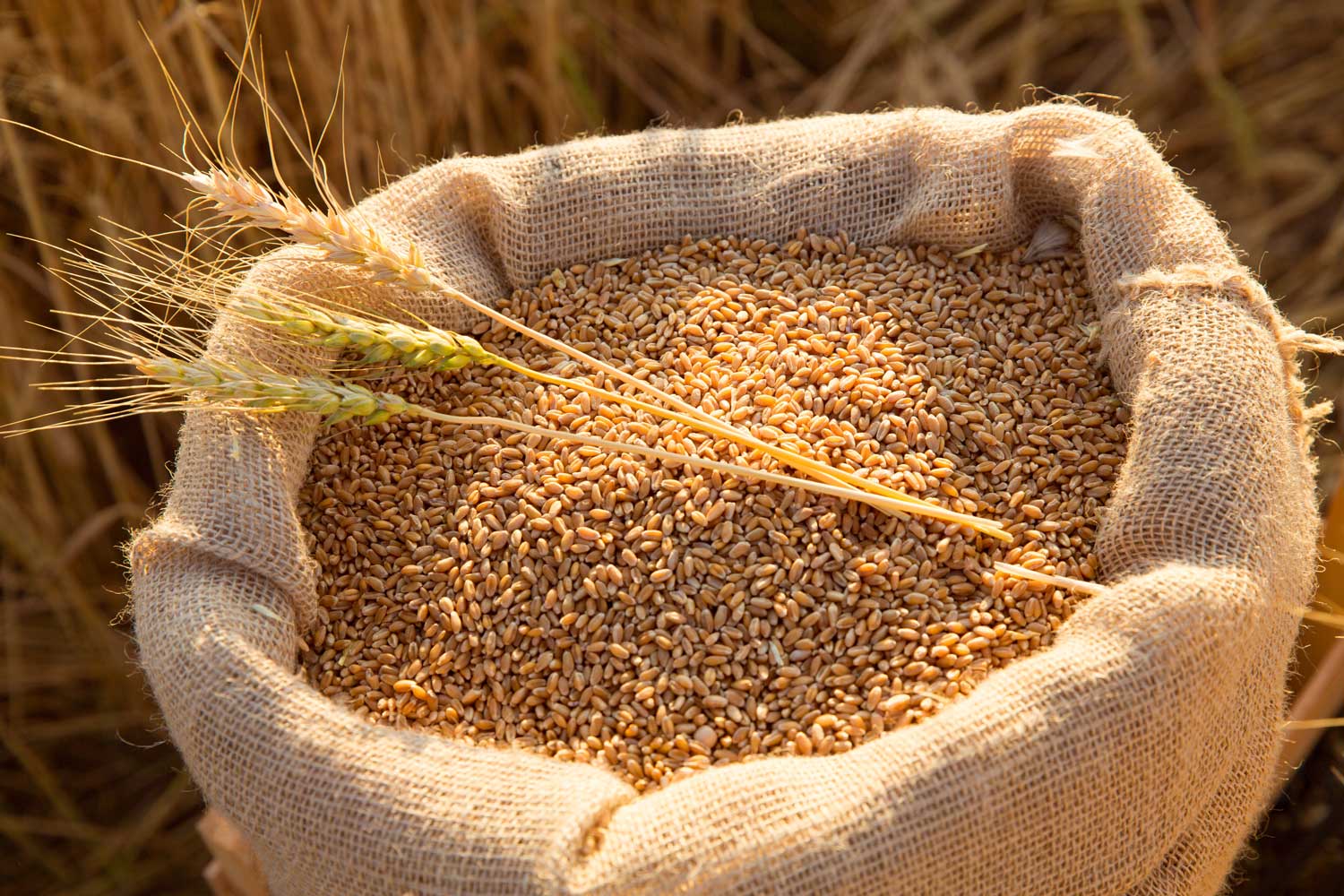
Selecting the right bulk grain packaging options is a critical decision for food manufacturers, processors, and distributors who rely on consistent quality, cost control, and food safety. The way grain is packaged and transported affects everything from freight efficiency and handling speed to contamination risk and shelf stability. Whether you are sourcing non-GMO corn, specialty
READ MOREWhat Is Mycotoxin Testing in Grains?
Mycotoxin testing in grains is a critical food safety practice designed to detect toxic compounds produced by certain molds that can grow on corn and other cereal grains. These naturally occurring toxins can pose serious health risks to humans and animals and can also create major regulatory, financial, and reputational risks for grain buyers, processors,
READ MOREWhat Are Aflatoxin Limits for Corn Used in Food?
Corn is a foundational ingredient across the global food system, appearing in everything from tortillas and cereals to snack foods and specialty ingredients. Because corn is grown in open field conditions and often stored for extended periods, it is also vulnerable to contamination by aflatoxins. For food manufacturers, millers, and ingredient buyers, understanding aflatoxin limits
READ MOREWhat Does “Identity Preserved Grains” Mean?
Understanding the identity preserved grains meaning is essential for food manufacturers, ingredient buyers, and processors who need consistent quality, traceability, and verifiable attributes in their grain supply. As consumer demand increases for transparency, non-GMO ingredients, and specific functional traits, identity preserved grains have become a critical part of modern food supply chains. Unlike conventional commodity
READ MORE