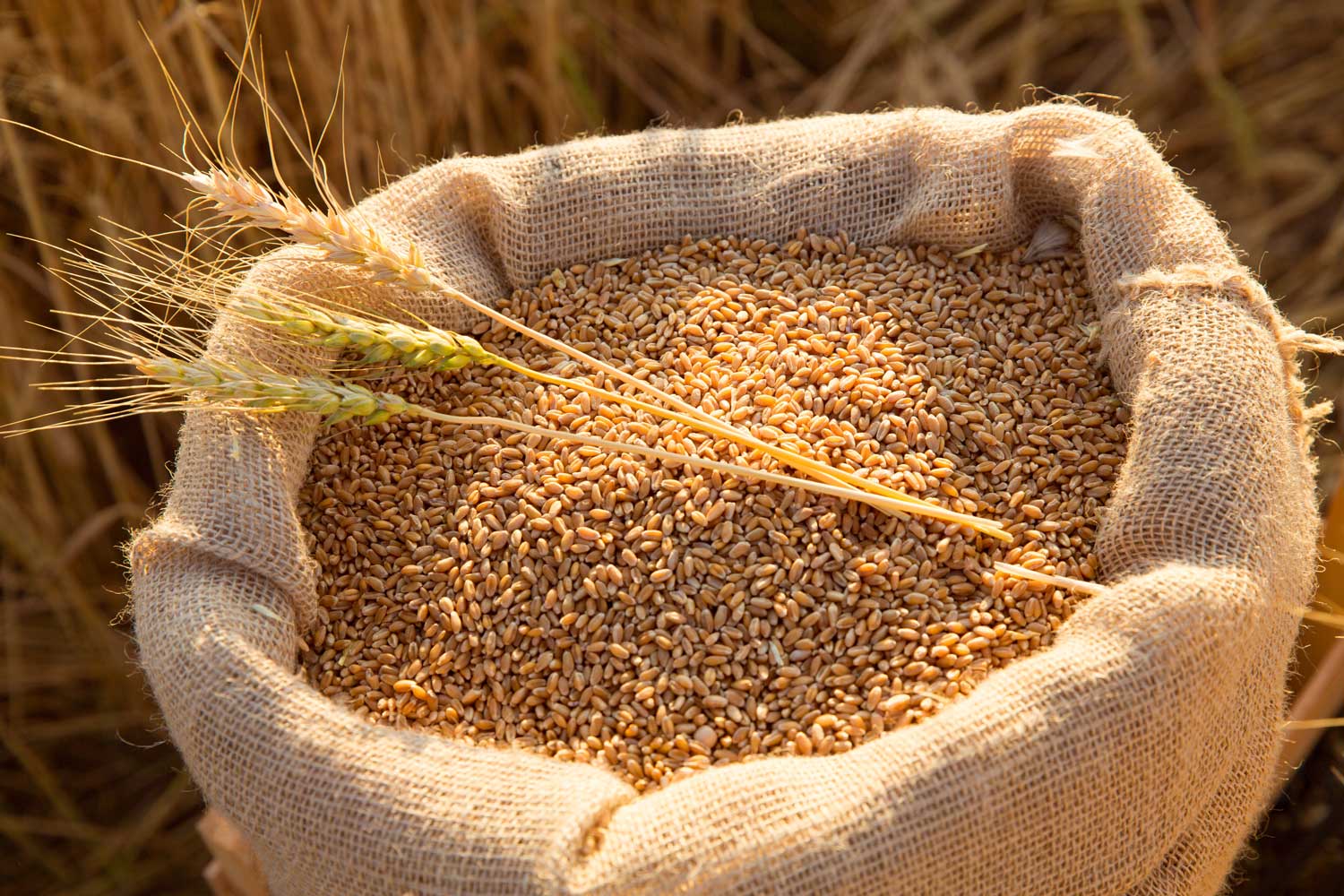
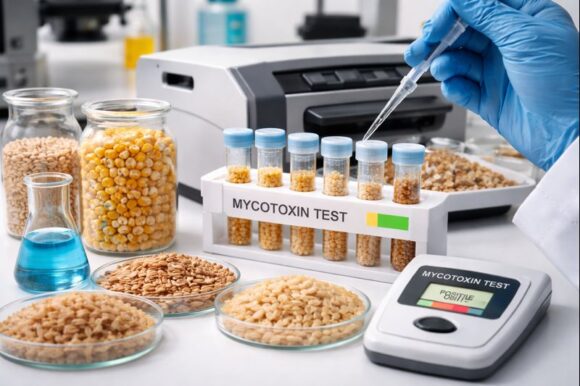
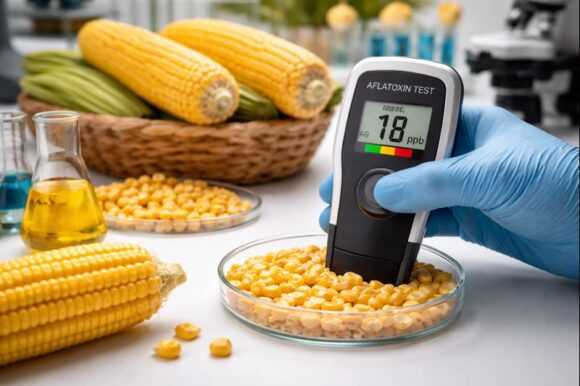
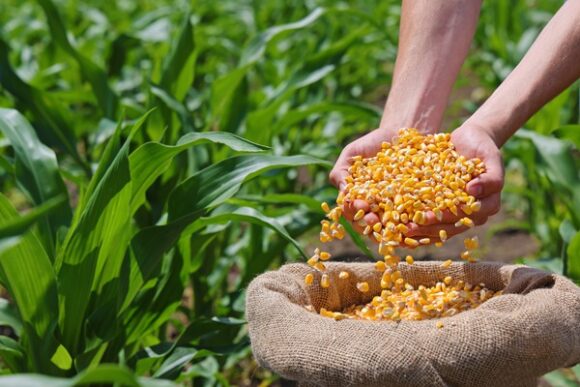
Grain moisture content for storage is one of the most critical factors in maintaining quality, protecting food safety, and preserving value throughout the supply chain. Whether you are handling corn, soybeans, wheat, or specialty food-grade varieties, moisture levels directly influence how well grain holds up in bins, railcars, trucks, and processing facilities. Even small deviations from recommended targets can result in spoilage, mold growth, shrinkage loss, and rejected loads. For buyers and suppliers alike, understanding proper moisture thresholds and verification practices is essential to ensuring long term storage stability and product integrity.
In this guide, we will break down recommended moisture targets by grain type, explain how moisture contributes to spoilage and mycotoxin risk, and outline best practices for shipping and receiving grain safely.
Grain Moisture Content for Storage: Why It Matters
Grain is hygroscopic, meaning it absorbs or releases moisture depending on surrounding conditions. When moisture levels exceed safe storage thresholds, grain becomes biologically active. Microorganisms such as molds and bacteria begin to grow, insects proliferate more rapidly, and the grain itself respires at higher rates.
Excess moisture in stored grain can lead to:
Mold development and mycotoxin formation
Heating and hot spots within storage bins
Caking and clumping
Increased insect activity
Reduced test weight and grade
Off odors and visible quality defects
Financial losses due to shrinkage and rejected shipments
Even grain that initially tests within acceptable ranges can become problematic if it absorbs moisture during transportation or storage. This is particularly important for food-grade and specialty grains, where buyers demand strict adherence to safety and quality standards.
How Moisture Leads to Mold, Heating, and Quality Loss
When grain moisture rises above recommended storage thresholds, the following chain reaction can occur:
Respiration increases. Grain kernels and microorganisms consume oxygen and release heat and carbon dioxide.
Temperature rises inside the bin or shipment.
Condensation forms in cooler areas, creating localized pockets of high moisture.
Mold growth accelerates, often beginning in hot spots.
Mycotoxins may develop, posing food safety risks.
Common mycotoxins include aflatoxin, fumonisin, and DON. These compounds are produced by certain molds and cannot be removed once formed. They are tightly regulated in food and feed markets, and loads exceeding allowable levels may be rejected outright.
The risk increases significantly when both moisture and temperature are elevated. For long term storage, maintaining appropriate grain moisture content for storage and monitoring temperature trends are both essential.
Grain Moisture Content for Storage Targets: What to Aim For
Moisture targets vary by grain type, intended storage duration, and end use. The following ranges represent general guidance for safe storage under typical conditions.
Corn
Short-term storage up to 6 months: 14 to 15 percent
Long-term storage beyond 6 months: 13 to 14 percent
Food-grade or specialty corn often targeted closer to 13 to 14 percent for maximum stability
Higher moisture corn above 15 percent is highly susceptible to heating and mold growth if not dried promptly.
Soybeans
Safe storage target: 13 percent or less
Long-term storage: 11 to 12 percent preferred
Soybeans are more prone to mechanical damage during drying, so careful handling is important.
Wheat
Safe storage target: 13.5 percent or less
Long-term storage: 12 to 13 percent
Moisture above 14 percent significantly increases spoilage risk in wheat.
Barley
Safe storage target: 13 to 14 percent
Malting barley may require stricter specifications depending on buyer requirements
Sorghum
Safe storage target: 13 to 14 percent
Specialty and Food Grade Grains
For specialty grains such as blue corn, white corn, or other identity-preserved varieties, buyers often require:
Moisture at or below 14 percent
Tight uniformity across the load
Documentation verifying moisture readings
In food processing markets, tighter controls are common because moisture impacts milling performance, shelf life, and finished product quality.
It is important to note that these are general guidelines. Environmental conditions, such as ambient temperature and humidity, influence how dry grain must be to remain stable. Warmer climates require lower moisture levels for safe storage.
Measuring Moisture Correctly: Tools and Best Practices
Accurate measurement is essential when determining grain moisture content for storage. Inaccurate readings can result in disputes, rejected loads, or unsafe storage conditions.
Key tools and practices include:
Calibrated moisture meters designed for the specific grain type
Regular calibration checks against official methods
Representative sampling from multiple points in the load
Temperature correction when required by the equipment
Best practices for moisture testing:
Collect samples from the top, middle, and bottom of trucks or bins.
Avoid relying on a single probe location.
Mix samples thoroughly before testing.
Record moisture results for traceability.
For high-value food-grade grain, many facilities verify moisture at both origin and destination to prevent disputes and ensure compliance with contract specifications.
Managing Moisture Risk During Shipping and Receiving
Even when grain leaves a facility within target moisture ranges, conditions during transit can affect quality. Temperature fluctuations, condensation, and improper covering can introduce additional moisture.
Risk factors during shipping include:
Temperature swings between day and night
Rain exposure during loading or unloading
High humidity environments
Poorly sealed railcars or trucks
Delays in transit
To mitigate these risks, suppliers and buyers should:
Confirm loads meet moisture specifications before departure
Ensure equipment is clean and dry
Use properly sealed covers and tarps
Minimize exposure to precipitation
Schedule prompt unloading upon arrival
Moisture migration is a common issue during temperature changes. Warm air inside a load rises and condenses against cooler surfaces, increasing localized moisture. This can create pockets of mold even when average moisture levels appear acceptable.
Receiving Checklist: What to Inspect Before Unloading
When grain arrives at a facility, receiving personnel should verify that the grain moisture content for storage remains within acceptable limits. A thorough inspection protects both quality and safety.
Before unloading, confirm:
Moisture level meets contract specifications
Temperature of the grain is within an acceptable range
Odor is clean and free of musty or sour smells
Visual condition shows no visible mold, caking, or insect activity
Test weight aligns with expected grade
Documentation matches the shipment, including identity-preserved certifications if applicable
Additional best practices include:
Pulling multiple probes for composite sampling
Testing for mycotoxins when required
Inspecting truck beds or railcars for leaks or condensation
Recording all findings for quality assurance records
If moisture exceeds agreed limits, buyers should follow established procedures for rejection, discount, or further testing. Acting quickly prevents contaminated grain from entering storage systems and affecting other inventory.
Protecting Quality from Field to Facility
Moisture management begins long before grain enters storage. Proper harvesting timing, drying practices, aeration management, and routine monitoring all play important roles.
Producers and suppliers should:
Harvest at appropriate moisture levels
Use controlled drying systems to avoid stress cracking
Monitor bin temperatures regularly
Aerate grain to equalize temperatures
Keep storage structures clean and well-maintained
For food-grade and specialty grain markets, consistency is especially critical. Buyers depend on suppliers who understand how moisture affects milling characteristics, flavor, color retention, and regulatory compliance.
Selecting the right partner can significantly reduce risk throughout the supply chain.
Partner with a Trusted Supplier for Premium Quality
Maintaining the proper grain moisture content for storage is essential to preserving quality, preventing spoilage, and meeting strict food safety standards. From understanding moisture targets by grain type to implementing best practices in shipping and receiving, every step matters in protecting the value of your grain investment.
If you are sourcing high-quality non-GMO or organic corn varieties for food applications, work with a supplier who prioritizes moisture management, safety, and consistency.
Clark Specialty Grains is your premier non-GMO corn and grain supplier in the US. As a proud family-owned business with over 18 years of experience, we deliver the highest quality organic and non-GMO corn varieties to the food industry. Our commitment to excellence and sustainability has earned us a reputation as a trusted source of food-grade corn. We offer a diverse range of varieties, including yellow, white, blue, purple, and pink corn to meet the needs of processors and manufacturers nationwide.
Whether you are searching for the finest blue corn or another specialty grain, our team is committed to providing products that meet the highest standards of quality and safety. Contact us today to learn how we can support your sourcing needs with reliable supply, consistent moisture control, and uncompromising quality.
Selecting the right bulk grain packaging options is a critical decision for food manufacturers, processors, and distributors who rely on consistent quality, cost control, and food safety. The way grain is packaged and transported affects everything from freight efficiency and handling speed to contamination risk and shelf stability. Whether you are sourcing non-GMO corn, specialty grains, or commodity crops, understanding the advantages and limitations of each packaging format will help you protect your product and your margins.
Today’s buyers have several primary formats to choose from, including totes, super sacks, bulk tankers, palletized bags, and rail. Each solution serves a different operational need depending on shipment size, facility capabilities, and quality standards. Below, we break down the most common bulk grain packaging options and examine how they compare across cost, handling, quality preservation, and food safety.
Bulk Grain Packaging Options: Common Formats and Uses
Grain packaging is designed to balance protection and practicality. The best format for your operation depends on how much grain you move, how you store it, and how it integrates into your production flow.
Totes and Super Sacks
Super sacks, also known as FIBCs or flexible intermediate bulk containers, typically hold between 1,000 and 2,500 pounds of grain. They are constructed from woven polypropylene and often include lifting loops for forklift handling.
Common uses include:
Specialty grains and identity-preserved crops
Mid-sized processors with limited bulk storage
Export shipments requiring flexible handling
Super sacks can be fitted with discharge spouts, liners, and tamper-evident seals, making them a versatile option for food-grade grain.
Palletized Bags
Palletized bags typically contain 25 to 100-pound paper or poly bags stacked and shrink-wrapped on a pallet. They are widely used in food manufacturing, bakeries, and ingredient distribution channels.
Common uses include:
Smaller batch production
Facilities without bulk handling equipment
Retail or co-pack environments
This format offers precise portioning and easier inventory control but requires more manual handling than larger bulk formats.
Bulk Tankers and Hoppers
Bulk hopper trucks and pneumatic tankers transport grain in loose form without individual packaging. Grain is loaded directly into the trailer and unloaded pneumatically or by gravity into storage silos.
Common uses include:
Large-scale food manufacturers
Ethanol plants
High volume grain processors
These formats maximize payload efficiency and minimize packaging waste.
Rail Shipments
Rail cars are ideal for very large volume shipments across long distances. Covered hopper railcars protect grain from weather while allowing efficient gravity unloading.
Common uses include:
National food brands
Export terminals
Industrial grain processors
Rail offers some of the lowest per-unit freight costs when shipping significant volumes.
Choosing Bulk Grain Packaging Options: Cost, Handling, and Quality
When evaluating packaging formats, buyers should weigh three primary considerations: cost efficiency, operational handling, and grain quality preservation.
Cost Considerations
Cost analysis should include more than just packaging material.
Key cost factors include:
Packaging material and labor
Freight efficiency and payload capacity
Loading and unloading time
Storage requirements
Waste disposal or recycling
Bulk tankers and rail typically offer the lowest per-pound shipping cost for large volumes because they eliminate bagging materials and maximize trailer capacity. Super sacks fall in the middle, offering flexibility without the high labor costs associated with palletized bags. Palletized bags generally carry higher packaging and labor expenses but may reduce internal handling costs for smaller operations.
Handling Efficiency
Operational efficiency depends heavily on your facility’s equipment.
Super sacks require:
Forklifts or hoists
Bulk bag unloaders for controlled discharge
Palletized bags require:
Manual labor or robotic depalletizers
More floor space
Bulk tankers and rail require:
Silos or bulk storage bins
Pneumatic or gravity receiving systems
If your plant is already configured for bulk receiving, tanker, or rail shipments, streamline the process. For facilities without silos, super sacks or palletized bags offer more flexibility.
Quality Preservation
Maintaining grain quality is especially important for non-GMO, organic, or specialty corn varieties. Exposure to moisture, oxygen, pests, or cross-contamination can compromise product integrity.
Bulk formats such as tankers and rail rely on the cleanliness and condition of the transport vehicle. Proper inspection and documentation are essential. Super sacks with food-grade liners provide added moisture protection and segregation, making them suitable for identity-preserved crops.
Palletized bags offer excellent lot separation and traceability, which can be advantageous for highly specialized ingredients.
Supersacks vs Palletized Bags: When Each Wins
Choosing between super sacks and palletized bags often comes down to balancing labor, flexibility, and volume.
Supersacks Win When:
You need larger quantities without full bulk infrastructure
Floor space is limited
Faster forklift-based handling is preferred
Reduced packaging waste is a priority
Super sacks also reduce repetitive manual lifting, lowering injury risk in warehouse environments.
Palletized Bags Win When:
You require smaller portion control
Manual addition to batching systems is common
Customers demand smaller resale units
Maximum lot segregation is critical
For specialty food applications where traceability and strict allergen separation are priorities, palletized bags may offer more granular control.
Bulk Hoppers and Tankers: Best for High Volume Buyers
For large food manufacturers processing thousands of pounds of grain daily, bulk hoppers and tankers offer significant advantages.
Key Benefits
Lower packaging material costs
Faster unloading times
Reduced labor requirements
Lower per-pound freight rates
However, this format requires investment in bulk storage infrastructure and strict cleaning verification procedures to prevent cross-contamination.
High volume buyers often combine tanker or rail shipments with long term supply agreements to stabilize pricing and ensure consistent quality.
Packaging and Food Safety: Keeping Grain Clean in Transit
Food safety remains a top priority in grain handling. Packaging plays a direct role in preventing contamination, pest intrusion, and moisture damage.
Critical Food Safety Factors
Clean and inspected transport vehicles
Tamper-evident seals
Moisture barriers and liners
Proper labeling and lot traceability
Compliance with FDA and food safety modernization standards
Super sacks with polyethylene liners help prevent moisture ingress and can protect against condensation during temperature fluctuations. Palletized bags often include multiwall paper or woven poly construction for durability.
Bulk tankers and railcars must be thoroughly cleaned between loads and verified as food grade. Documentation of prior loads and wash certificates should be standard practice.
Packaging Specs Buyers Should Standardize (Liners, Seals, Labels)
To maintain consistent quality across shipments, buyers should standardize packaging specifications with their suppliers.
Recommended specifications include:
Food-grade inner liners for super sacks
UV stabilized woven polypropylene bags for outdoor storage
Tamper-evident zip ties or seals
Clear lot codes and production dates
Country of origin labeling
Weight tolerances and fill accuracy standards
Standardization reduces variability and strengthens traceability in the event of a recall or quality issue.
Rail vs Truck: Long Distance Strategy
Rail becomes particularly advantageous for cross-country shipments or export operations.
Advantages of rail include:
Lower freight cost per ton
Reduced highway congestion impact
Efficient high-volume transport
Limitations include:
Longer transit times
Scheduling complexity
Limited flexibility for partial loads
Truck-based bulk tankers provide more scheduling flexibility and faster transit times for regional distribution.
Matching Packaging to Your Grain Type
Different grains and corn varieties may influence packaging decisions.
For example:
Blue, purple, or specialty corn varieties may require stronger identity preservation controls
Organic grain shipments may require certified clean transport documentation
High moisture grain may benefit from enhanced liners or moisture testing before shipment
Understanding the sensitivity of your grain product helps determine the appropriate level of packaging protection.
Partner with a Trusted Supplier for Bulk Grain Packaging Options
There is no universal solution when it comes to bulk grain packaging options. The best choice depends on your shipment size, facility setup, food safety requirements, and long-term cost strategy.
To summarize:
Palletized bags offer precision and flexibility but higher labor costs
Super sacks balance efficiency and protection for mid-range volumes
Bulk tankers reduce packaging waste and cost for large operations
Rail delivers strong economics for long-distance, high-volume shipments
Careful evaluation of these factors ensures you protect grain quality while optimizing logistics.
If you are sourcing premium non-GMO or organic corn varieties, partnering with an experienced supplier is just as important as choosing the right packaging format.
Clark Specialty Grains is your premier non-GMO corn and grain supplier in the United States. As a proud family-owned business with over 18 years of experience, we deliver the highest quality organic and non-GMO corn varieties to the food industry. Our commitment to excellence and sustainability has earned us a reputation as a trusted source of food-grade corn, offering a diverse range of varieties, including yellow, white, blue, purple, and pink.
Whether you are searching for exceptional blue corn or another specialty grain, our team is committed to providing products that meet the highest standards of quality and safety. Contact us today to discuss your volume needs and discover how the right packaging and the right supplier can elevate your grain supply chain.
Mycotoxin testing in grains is a critical food safety practice designed to detect toxic compounds produced by certain molds that can grow on corn and other cereal grains. These naturally occurring toxins can pose serious health risks to humans and animals and can also create major regulatory, financial, and reputational risks for grain buyers, processors, and food manufacturers. As global supply chains grow more complex and consumers demand higher transparency, understanding how mycotoxin testing works and how to manage risk through proper screening and documentation has become essential for anyone involved in sourcing grain.
Grains are particularly susceptible to mycotoxin contamination because they are grown in open environments where moisture, temperature fluctuations, and storage conditions can encourage mold growth. Even with careful farming practices, mycotoxins can develop in the field, during harvest, or while in storage. Because mycotoxins cannot be removed through normal processing once they are present, prevention and testing are the primary tools for protecting food safety and maintaining quality standards.
Mycotoxin Testing in Grains: What It Measures and Why
Mycotoxin testing in grains focuses on identifying and quantifying specific toxic compounds produced by molds such as Aspergillus, Fusarium, and Penicillium. These molds thrive under certain environmental conditions, especially warm temperatures and high humidity, which makes crops like corn particularly vulnerable.
Common mycotoxins tested in grains include aflatoxins, fumonisins, deoxynivalenol, commonly known as DON or vomitoxin, zearalenone, ochratoxin A, and T-2 and HT-2 toxins. Each of these mycotoxins presents different risks and regulatory thresholds depending on the grain type and intended end use.
Why these toxins matter goes beyond regulatory compliance. Mycotoxins can cause a range of health effects, including acute poisoning, immune suppression, digestive issues, and long-term chronic conditions when consumed over time. In livestock, mycotoxins can reduce feed efficiency, impair growth, and cause reproductive issues, which directly affect the food supply chain.
From a business standpoint, mycotoxin contamination can lead to rejected loads, product recalls, loss of customer trust, and financial losses. Because mycotoxins are invisible and odorless, testing is the only reliable way to confirm grain safety. For food-grade and specialty grain markets, consistent testing is often a baseline requirement rather than an optional quality check.
Sampling Matters: Why Bad Samples Cause Bad Results
One of the most overlooked aspects of mycotoxin testing in grains is sampling. Mycotoxins are not evenly distributed throughout a load of grain. They tend to occur in pockets or hot spots, which means a poorly collected sample can easily miss contamination or overestimate it.
Effective sampling requires collecting multiple incremental samples from different points within a truck, railcar, or storage bin and combining them into a representative composite sample. Industry guidelines often specify the number of increments needed based on the size of the lot, as well as proper grinding and mixing procedures before testing.
Common sampling mistakes include:
Taking too few samples
Sampling only from the surface
Failing to mix and grind samples thoroughly
Using non-calibrated or contaminated sampling tools
These errors can lead to inaccurate test results that do not reflect the true mycotoxin risk of the grain. For buyers and suppliers alike, investing in proper sampling protocols is just as important as choosing the right test method. Reliable data begins with representative samples.
Rapid Screens vs Lab Confirmation: When Each Makes Sense
There are several testing methods used in mycotoxin testing in grains, each with different strengths, limitations, and use cases. The two most common categories are rapid screening tests and laboratory-based confirmation tests.
Rapid screening tests, such as lateral flow assays or strip tests, are widely used at grain elevators, processing facilities, and receiving locations. These tests provide quick results, often within minutes, and are relatively easy to perform with minimal training. They are useful for:
Incoming load screening
Routine monitoring
Making quick accept or reject decisions
Identifying loads that require further testing
However, rapid tests may have higher variability and are generally designed to indicate whether mycotoxin levels are above or below a specific threshold rather than providing highly precise measurements.
Laboratory confirmation methods, such as high-performance liquid chromatography or liquid chromatography mass spectrometry, offer greater accuracy and sensitivity. These methods are typically used when:
Results will be used for regulatory compliance
Disputes or claims need to be resolved
Products are destined for human food or export markets
Detailed documentation is required
Many grain programs use a tiered approach, starting with rapid screening and following up with lab confirmation when results are near limits or when higher assurance is required. Understanding when each method makes sense helps balance cost, speed, and confidence in results.
Interpreting Results and Setting Accept-Reject Limits
Interpreting mycotoxin test results requires more than just reading a number. Accept and reject limits depend on multiple factors, including regulatory guidelines, customer specifications, intended use, and risk tolerance.
Regulatory limits for mycotoxins vary by country and by application. For example, allowable levels for animal feed may differ from those for human food. Some buyers also set internal limits that are more conservative than regulatory maximums to protect downstream customers and brands.
When setting accept reject limits, buyers and suppliers should consider:
Applicable federal and state regulations
End use of the grain
Historical performance of the supplier
Variability inherent in testing methods
Cumulative exposure risks
Clear communication around limits and decision rules is essential. Contracts and specifications should define how results are interpreted, what happens when results are borderline, and whether re-testing or confirmation testing is allowed. This clarity reduces disputes and builds stronger supplier relationships.
Mycotoxin Testing in Grains for Buyers: What to Request from Suppliers
For grain buyers, mycotoxin testing in grains is not just about internal quality control. It is also about managing supplier risk and ensuring traceability throughout the supply chain. Buyers should clearly define their expectations and request documentation that supports compliance and transparency.
Key items buyers often request from suppliers include:
Certificates of analysis for relevant mycotoxins
Description of sampling and testing protocols
Identification of test methods used
Lot-specific traceability documentation
Historical testing data or trends
Beyond paperwork, buyers benefit from working with suppliers who proactively manage mycotoxin risk rather than reacting only when problems arise. This includes suppliers who invest in good agronomic practices, proper storage, and ongoing monitoring.
Buyers may also conduct audits or assessments to verify that suppliers follow documented procedures. These audits often focus on sampling practices, storage conditions, equipment calibration, and corrective action processes when issues are identified.
Establishing clear expectations upfront reduces surprises and helps ensure that grain arriving at the facility meets safety and quality standards consistently.
Preventing Mycotoxin Issues: Storage, Handling, and Sourcing
While testing is essential, prevention remains the most effective way to manage mycotoxin risk. Mycotoxin testing in grains works best when combined with strong preventive practices across storage, handling, and sourcing.
Storage plays a major role in mycotoxin development. Even grain harvested in good condition can become contaminated if stored improperly. Key storage practices include:
Maintaining low moisture levels
Controlling temperature through aeration
Monitoring bins for hot spots or condensation
Cleaning bins and handling equipment regularly
Handling practices also matter. Minimizing kernel damage during harvest and transport reduces opportunities for mold growth. Prompt drying after harvest and avoiding delays in storage can significantly reduce risk.
Sourcing decisions are another important factor. Buyers who work with experienced, transparent suppliers often face fewer mycotoxin challenges. Suppliers who understand regional growing conditions, select appropriate varieties, and implement quality controls from field to shipment are better positioned to deliver consistent results.
Preventive strategies are most effective when they are documented and verified. Standard operating procedures, training programs, and continuous improvement efforts help ensure that prevention is not just a goal but a measurable practice.
Building Confidence Through Testing and Partnership
Mycotoxin testing in grains is not simply a technical requirement. It is a shared responsibility across the supply chain that supports food safety, regulatory compliance, and customer trust. Effective programs combine representative sampling, appropriate testing methods, clear interpretation of results, and proactive prevention strategies.
For buyers, the goal is confidence. Confidence that the grain meets specifications. Confidence that suppliers are managing risk responsibly. Confidence that documentation will stand up to scrutiny from regulators and customers alike.
For suppliers, robust testing and preventive practices demonstrate commitment to quality and help differentiate their products in a competitive market. Transparency and consistency build long-term partnerships that benefit both sides.
Work With a Supplier You Can Trust
When it comes to sourcing high-quality specialty grains, partnering with a supplier who prioritizes safety, transparency, and consistency makes all the difference. Clark Specialty Grains is your premier non-GMO corn and grain supplier in the US. As a family-owned business with over 18 years of experience, Clark Specialty Grains is proud to deliver the highest quality organic and non-GMO corn varieties to the food industry. Our commitment to excellence and sustainability has earned us a reputation as a trusted source of food-grade corn, offering a diverse range of varieties, including yellow, white, blue, purple, and pink. Whether you are looking for the finest blue corn or any other specialty grain, we are committed to providing products that meet the highest standards of quality and safety. Learn more about our approach to quality and sourcing and discover how a trusted supplier can support your mycotoxin risk management goals.
Corn is a foundational ingredient across the global food system, appearing in everything from tortillas and cereals to snack foods and specialty ingredients. Because corn is grown in open field conditions and often stored for extended periods, it is also vulnerable to contamination by aflatoxins. For food manufacturers, millers, and ingredient buyers, understanding aflatoxin limits in corn for human consumption is not optional. It is a critical part of food safety, regulatory compliance, brand protection, and consumer trust.
Aflatoxins are naturally occurring mycotoxins produced by certain molds, primarily Aspergillus flavus and Aspergillus parasiticus. These molds can grow on corn in the field, during harvest, or in storage when conditions are favorable. Because aflatoxins are toxic and carcinogenic, regulatory agencies set strict thresholds for how much is allowed in corn used for human food. Buyers who understand these limits and how they are enforced are far better positioned to protect their supply chain and avoid costly disruptions.
Aflatoxin Limits in Corn for Human Consumption: What Buyers Need to Know
Aflatoxin limits refer to the maximum allowable concentration of aflatoxins in corn that is intended for food use. In the United States, the Food and Drug Administration establishes action levels rather than formal tolerances. For corn used directly in human food, the FDA action level is 20 parts per billion total aflatoxins. This threshold is designed to protect public health while recognizing the practical realities of agricultural production.
For buyers, it is important to understand that limits are not abstract regulatory numbers. They are procurement requirements that determine whether a load of corn can be accepted, rejected, reworked, or diverted to a different use. When a contract specifies food-grade corn, it implicitly requires compliance with the aflatoxin limit applicable to human consumption. Loads that exceed this level are considered non-compliant for food use, even if they are otherwise clean and meet specifications for moisture, test weight, and appearance.
Aflatoxin limits matter at several levels of the supply chain. Growers must manage risk in the field. Elevators and processors must monitor storage and handling conditions. Buyers must verify compliance through documentation and testing. A failure at any point can result in rejected shipments, regulatory exposure, or downstream recalls.
From a procurement perspective, aflatoxin limits also influence pricing and availability. Corn that consistently tests well below the action level is more valuable for food applications, especially for specialty products such as non-GMO, organic, or identity-preserved varieties. Buyers sourcing these products should expect more rigorous testing and traceability as part of the value proposition.
What Drives Aflatoxin Risk (Weather, Storage, Damage)
Aflatoxin risk in corn is driven by a combination of environmental and handling factors. The weather is one of the most significant contributors. Hot, dry conditions during the growing season, particularly during pollination and grain fill, increase stress on the plant and make it more susceptible to Aspergillus infection. Drought followed by late-season rains can further elevate risk.
Physical damage to kernels is another major factor. Insect feeding, hail, and mechanical damage during harvest create entry points for mold growth. Once kernels are compromised, aflatoxin-producing molds can colonize more easily.
Storage conditions play a critical role after harvest. Corn that is stored at elevated moisture levels or exposed to temperature fluctuations is more likely to develop mold. Poor aeration, condensation, and long storage durations increase the likelihood that aflatoxin levels will rise over time, even if the corn tested low initially.
Key risk drivers include:
Prolonged heat and drought stress in the field
Insect pressure and kernel damage
Delayed harvest or late-season weather events
High moisture at storage
Inadequate aeration or temperature control
Extended storage periods without monitoring
Understanding these drivers helps buyers evaluate supplier practices and assess whether a supply program is built to consistently meet food-grade aflatoxin limits.
Aflatoxin Limits in Corn: How Testing and Compliance Work
Testing is the backbone of aflatoxin compliance. Because aflatoxins are invisible and unevenly distributed, visual inspection alone is not sufficient. Reliable testing depends on proper sampling, validated analytical methods, and clear documentation.
Sampling is often the most overlooked but most critical step. Aflatoxins tend to be highly heterogeneous, meaning a few contaminated kernels can significantly elevate the test result. Representative sampling requires collecting multiple incremental samples from a lot and combining them into a composite sample that accurately reflects the whole. Poor sampling practices can lead to false negatives or false positives, both of which create risk.
Once a representative sample is collected, it is analyzed using approved methods. Common testing approaches include rapid test kits such as lateral flow devices and enzyme-linked immunosorbent assays, as well as confirmatory laboratory methods like high-performance liquid chromatography. Rapid tests are widely used at receiving points because they provide quick results, while lab-based methods are often used for verification and dispute resolution.
Compliance is established by comparing test results to the applicable limit. For food-grade corn, results must be at or below 20 parts per billion total aflatoxins. Many buyers set internal specifications that are more conservative, such as targeting levels well below the action limit to provide a safety margin.
Documentation ties the entire process together. Test results must be linked to specific lots, dates, and shipments so that compliance can be demonstrated to auditors, regulators, and customers.
What to Ask For: COA Details, Lab Methods, Lot Traceability
Buyers play an active role in ensuring aflatoxin compliance by clearly defining documentation requirements. One of the most important documents is the Certificate of Analysis, or COA. A robust COA should provide more than just a pass or fail statement.
When reviewing COAs, buyers should look for:
The specific aflatoxin result reported in parts per billion
The test method used, including whether it was a rapid test or lab analysis
The name of the laboratory or test kit manufacturer
The date of testing
The lot or batch number associated with the result
Lot traceability is equally important. Each shipment should be traceable back to a defined lot that was tested. This allows buyers to isolate issues if a problem is discovered later and demonstrates control over the supply chain.
Asking the right questions upfront helps set expectations with suppliers and reduces the risk of surprises at delivery. It also signals that food safety is a priority, which encourages better practices throughout the chain.
How to Reduce Aflatoxin Risk in Corn Supply
Reducing aflatoxin risk requires a proactive, systems-based approach. There is no single intervention that guarantees compliance, but layered controls significantly improve outcomes. Buyers sourcing corn for human food should work with suppliers who understand and manage risk from field to finished ingredient.
Field-level practices are the first line of defense. These include selecting hybrids with good stress tolerance, managing irrigation where possible, controlling insects, and timing harvest to minimize damage. While buyers may not control these practices directly, they can prioritize suppliers who invest in agronomic best practices.
Post-harvest handling is the next critical stage. Rapid drying to safe moisture levels, careful handling to reduce breakage, and clean storage facilities all reduce the likelihood of aflatoxin development. Ongoing monitoring of stored corn allows issues to be identified early.
Testing strategies should be risk-based. Higher risk lots may require more frequent testing or confirmation by an independent laboratory. Maintaining historical data helps suppliers and buyers identify patterns and adjust sourcing strategies accordingly.
Even with strong controls, non-compliant loads can occur. How these situations are handled makes a significant difference in cost, compliance, and relationships. Buyers should have clear procedures in place before a problem arises.
Common steps include placing the load on hold while results are reviewed and confirmed. In some cases, a retest using a different method or laboratory may be appropriate, particularly if results are close to the limit. It is essential that retesting follows proper sampling protocols to avoid compounding errors.
If a load is confirmed to exceed the aflatoxin limit for human consumption, diversion plans should be executed. This may involve redirecting the corn to an approved non-food use where higher limits apply, provided regulatory requirements are met. Clear contracts and communication help ensure that diversion is handled legally and efficiently.
Best practices for managing non-compliant loads include:
Immediate isolation and hold procedures
Clear criteria for retesting
Predefined diversion channels
Thorough documentation of decisions and actions
Having these plans in place protects both buyers and suppliers and minimizes disruption.
Partnering for a Compliant Food Grade Corn Supply
Ultimately, managing aflatoxin limits in corn for human consumption is about partnership. Buyers who work closely with experienced, transparent suppliers are better equipped to navigate regulatory requirements and market variability. A strong supplier does more than provide test results. They build systems designed to consistently deliver safe, high-quality corn.
Clark Specialty Grains exemplifies this approach. As your premier non-GMO corn and grain supplier in the US, Clark Specialty Grains brings over 18 years of experience as a family-owned business dedicated to quality, safety, and sustainability. Our commitment to excellence has earned us a reputation as a trusted source of food-grade corn for the food industry. With a diverse range of organic and non-GMO varieties, including yellow, white, blue, purple, and pink corn, we understand the unique requirements of specialty applications and the importance of rigorous aflatoxin control. Whether you are sourcing the finest blue corn or another specialty grain, Clark Specialty Grains is committed to providing products that meet the highest standards of quality and safety. If you are looking to strengthen your supply chain and ensure compliance with aflatoxin limits, connect with us to learn how our expertise and dedication can support your food-grade corn needs.
Understanding the identity preserved grains meaning is essential for food manufacturers, ingredient buyers, and processors who need consistent quality, traceability, and verifiable attributes in their grain supply. As consumer demand increases for transparency, non-GMO ingredients, and specific functional traits, identity preserved grains have become a critical part of modern food supply chains. Unlike conventional commodity grains that are mixed and traded in bulk, identity preserved grains are carefully managed from seed selection through harvest, storage, processing, and shipment to maintain specific, documented characteristics.
Identity Preserved Grains Meaning: A Clear Definition
Identity preserved grains, often abbreviated as IP grains, are grains that are grown, handled, stored, and transported in a way that maintains the unique identity of the grain from seed to shipment. The identity preserved grains meaning goes beyond a simple label claim. It refers to a verified system that ensures specific attributes such as variety, genetic traits, non-GMO status, color, end-use functionality, or food-grade quality are protected throughout the supply chain.
At its core, identity preservation is about segregation and documentation. IP grains are not commingled with other varieties or commodity grain. Each lot is traceable back to its origin, including the specific seed planted, the grower, and the production practices used. This traceability allows buyers to verify that the grain they receive matches exactly what was contracted.
Identity preserved grains are commonly used in food manufacturing, specialty ingredients, brewing, distilling, pet food, and export markets where consistency and verification are critical. For example, blue corn for tortilla chips, specific starch profiles for milling, or non-GMO corn for clean-label products often require identity preserved sourcing rather than commodity grain.
Identity Preserved Grains Meaning for Buyers: What You’re Actually Paying For
For buyers, the identity preserved grains meaning directly impacts value, risk management, and brand protection. When purchasing IP grains, buyers are not just paying for the physical grain. They are paying for the systems, controls, and accountability that ensure the grain meets defined specifications every time.
One major component of value is risk reduction. Identity preserved programs reduce the risk of contamination from unwanted traits such as GMOs, foreign varieties, or off-spec grain. This is especially important for manufacturers making non-GMO, organic, or allergen-sensitive products, where a single failure can result in recalls, lost certifications, or reputational damage.
Another factor buyers pay for is consistency. Commodity grains are blended to meet broad grade standards, but they vary widely in functional performance. Identity preserved grains deliver predictable outcomes such as consistent color, flavor, protein content, or processing behavior. This consistency improves manufacturing efficiency and reduces formulation adjustments.
Buyers also gain transparency and auditability. IP suppliers provide documentation that supports label claims, regulatory compliance, and customer audits. This documentation is increasingly required by retailers, certification bodies, and global food brands. In many cases, identity preserved grains allow buyers to access premium markets and meet customer expectations that cannot be satisfied with commodity grain.
Identity Preserved vs. Commodity Grains: Key Differences
The most important difference between identity preserved grains and commodity grains is segregation. Commodity grains are pooled together in elevators and transportation systems where individual farm identities are lost. The grain is traded based on general grade factors such as moisture, test weight, and damage, rather than specific genetic or functional attributes.
Identity preserved grains, by contrast, are kept separate at every stage. From planting to storage, dedicated equipment, bins, and handling procedures are used to prevent commingling. Each lot maintains its unique identity and documentation.
Another key difference is traceability. Commodity grain systems are designed for volume and efficiency, not traceability. Once grain enters the commodity stream, it is nearly impossible to trace it back to a specific farm or seed variety. Identity preserved systems are built around traceability, allowing buyers to trace grain back through contracts, lot numbers, and production records.
Finally, quality expectations differ. Commodity grains meet minimum standards for general use. Identity preserved grains meet specific, buyer-defined specifications. These may include non-GMO thresholds, specific varieties, color profiles, or food-grade handling requirements.
Identity Preserved Grains Meaning in Practice: Chain of Custody
To fully understand the identity preserved grains meaning, it helps to look at how the chain of custody works in practice. Chain of custody refers to the documented and physical control of grain as it moves from seed selection to final shipment.
The process begins with seed selection. Identity preserved programs start by choosing approved seed varieties that meet the buyer’s specifications. These seeds may be non-GMO, have specific traits, or be selected for color, flavor, or processing performance. Growers sign contracts that specify how the crop must be planted, managed, and harvested.
During the growing season, fields may be isolated by distance or buffer zones to reduce the risk of cross-pollination. Equipment is cleaned to prevent contamination from other crops or varieties. Harvested grain is kept separate and clearly identified.
Storage is another critical control point. IP grain is stored in dedicated bins or facilities that are cleaned and inspected before use. Each lot is labeled and tracked with unique identifiers. Transportation follows similar rules, with cleaned trucks or railcars and sealed loads where required.
At every step, records are maintained to document compliance with the identity preserved program. This ensures that the grain delivered to the buyer is the same grain that was originally contracted.
Identity Preserved Grains Meaning and Documentation: COAs, Lot IDs, Contracts
Documentation is the backbone of any identity preserved program. Without proper records, identity preservation cannot be verified or trusted.
Contracts define the requirements upfront. These agreements specify seed varieties, production practices, segregation requirements, testing protocols, and delivery specifications. They also outline responsibilities for both growers and suppliers.
Lot identification is used to track grain throughout the supply chain. Each lot is assigned a unique ID that follows it from harvest through storage, processing, and shipment. This allows suppliers to trace grain quickly and accurately if questions arise.
Certificates of Analysis, or COAs, provide analytical verification of key attributes. COAs may include results for non-GMO testing, moisture, protein, mycotoxins, or other quality parameters. For non-GMO IP grains, testing is often conducted using PCR-based methods to verify compliance with accepted thresholds.
Additional documentation may include cleaning logs, storage records, transportation records, and third-party audit reports. Together, these documents support the integrity of the identity preserved claim and provide buyers with confidence.
Common IP Grain Claims to Verify (Non-GMO, Variety, Trait)
Not all IP claims are equal, and buyers should know what to verify when evaluating suppliers. One of the most common claims associated with identity preserved grains is non-GMO status. True IP non-GMO grain is backed by seed selection, segregation, and testing. Buyers should ask about testing frequency, methods, and thresholds.
Variety-specific claims are another important category. Some products require a specific corn variety for flavor, color, or processing characteristics. Identity preserved programs ensure that only the contracted variety is delivered, rather than a blend of similar types.
Trait-based claims may include starch functionality, protein levels, or specialty characteristics such as waxy or high-amylose corn. These traits must be protected through segregation and verified through documentation and testing.
Buyers should also verify food-grade handling practices, including cleaning procedures, pest control, and compliance with food safety standards. Identity preserved grains intended for food use should be handled differently from feed-grade commodities.
Understanding the identity preserved grains meaning helps buyers ask the right questions and select suppliers who can consistently meet their requirements.
Partner with Clark Specialty Grains Today
Identity preserved grains play a vital role in today’s food and ingredient markets by delivering traceability, consistency, and verified attributes that commodity grains cannot provide. From seed selection and chain of custody to documentation and testing, identity preserved systems protect the integrity of the grain and the value of the finished product. For buyers, understanding these systems is essential when evaluating suppliers and managing risk.
If you are sourcing specialty or non-GMO grains and need a partner you can trust, Clark Specialty Grains is your premier non-GMO corn and grain supplier in the US. We are proud to be a family-owned business with over 18 years of experience delivering the highest quality organic and non-GMO corn varieties to the food industry. Our commitment to excellence and sustainability has earned us a reputation as a trusted source of food-grade corn, offering yellow, white, blue, purple, and pink varieties. Whether you are looking for the finest blue corn or any other specialty grain, we are committed to providing products that meet the highest standards of quality and safety. Contact us to learn more and start a conversation about your identity preserved grain needs today.