
What Are the Best Bulk Grain Packaging Options?
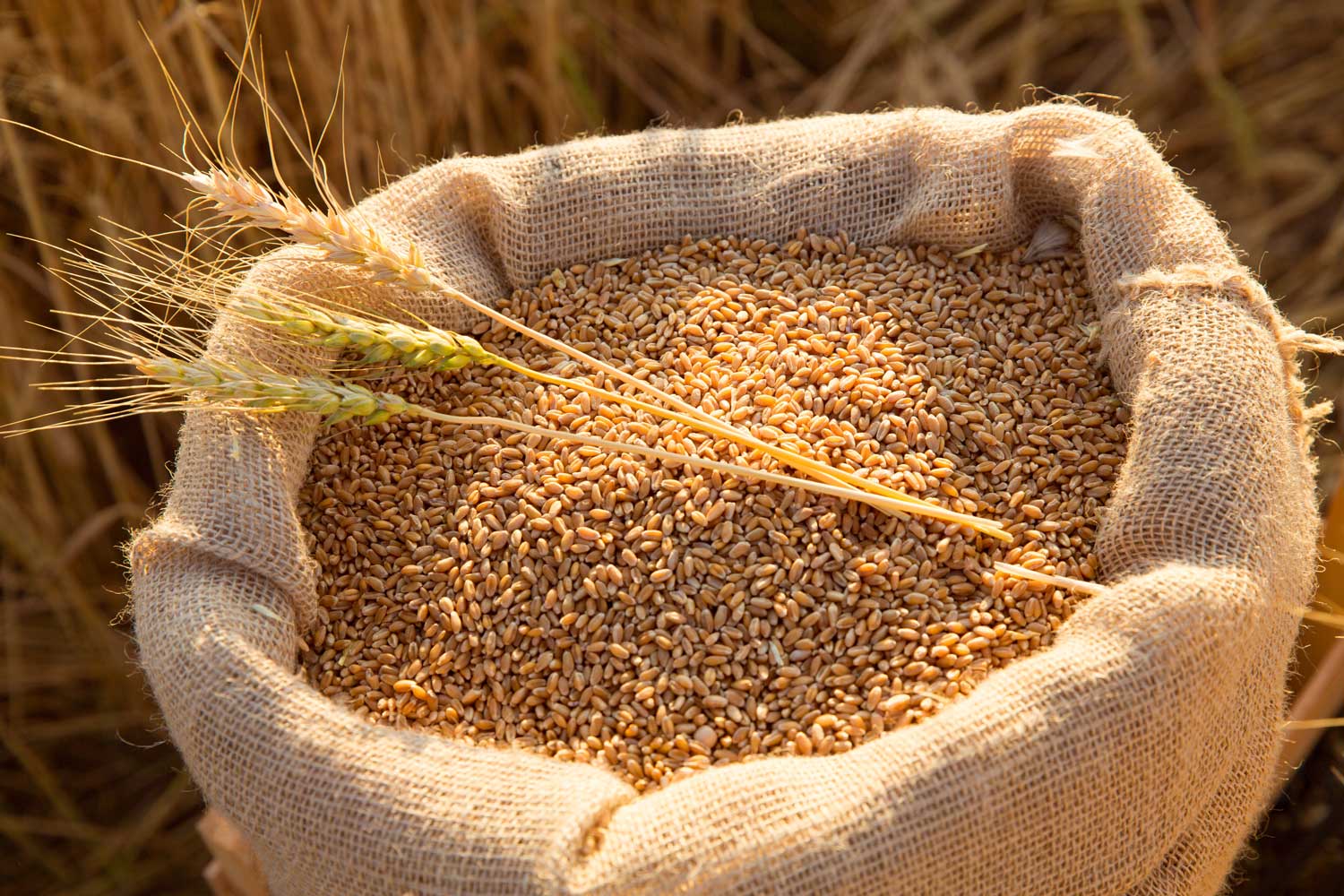
Selecting the right bulk grain packaging options is a critical decision for food manufacturers, processors, and distributors who rely on consistent quality, cost control, and food safety. The way grain is packaged and transported affects everything from freight efficiency and handling speed to contamination risk and shelf stability. Whether you are sourcing non-GMO corn, specialty grains, or commodity crops, understanding the advantages and limitations of each packaging format will help you protect your product and your margins.
Today’s buyers have several primary formats to choose from, including totes, super sacks, bulk tankers, palletized bags, and rail. Each solution serves a different operational need depending on shipment size, facility capabilities, and quality standards. Below, we break down the most common bulk grain packaging options and examine how they compare across cost, handling, quality preservation, and food safety.
Bulk Grain Packaging Options: Common Formats and Uses
Grain packaging is designed to balance protection and practicality. The best format for your operation depends on how much grain you move, how you store it, and how it integrates into your production flow.
Totes and Super Sacks
Super sacks, also known as FIBCs or flexible intermediate bulk containers, typically hold between 1,000 and 2,500 pounds of grain. They are constructed from woven polypropylene and often include lifting loops for forklift handling.
Common uses include:
- Specialty grains and identity-preserved crops
- Mid-sized processors with limited bulk storage
- Export shipments requiring flexible handling
Super sacks can be fitted with discharge spouts, liners, and tamper-evident seals, making them a versatile option for food-grade grain.
Palletized Bags
Palletized bags typically contain 25 to 100-pound paper or poly bags stacked and shrink-wrapped on a pallet. They are widely used in food manufacturing, bakeries, and ingredient distribution channels.
Common uses include:
- Smaller batch production
- Facilities without bulk handling equipment
- Retail or co-pack environments
This format offers precise portioning and easier inventory control but requires more manual handling than larger bulk formats.
Bulk Tankers and Hoppers
Bulk hopper trucks and pneumatic tankers transport grain in loose form without individual packaging. Grain is loaded directly into the trailer and unloaded pneumatically or by gravity into storage silos.
Common uses include:
- Large-scale food manufacturers
- Ethanol plants
- High volume grain processors
These formats maximize payload efficiency and minimize packaging waste.
Rail Shipments
Rail cars are ideal for very large volume shipments across long distances. Covered hopper railcars protect grain from weather while allowing efficient gravity unloading.
Common uses include:
- National food brands
- Export terminals
- Industrial grain processors
Rail offers some of the lowest per-unit freight costs when shipping significant volumes.
Choosing Bulk Grain Packaging Options: Cost, Handling, and Quality
When evaluating packaging formats, buyers should weigh three primary considerations: cost efficiency, operational handling, and grain quality preservation.
Cost Considerations
Cost analysis should include more than just packaging material.
Key cost factors include:
- Packaging material and labor
- Freight efficiency and payload capacity
- Loading and unloading time
- Storage requirements
- Waste disposal or recycling
Bulk tankers and rail typically offer the lowest per-pound shipping cost for large volumes because they eliminate bagging materials and maximize trailer capacity. Super sacks fall in the middle, offering flexibility without the high labor costs associated with palletized bags. Palletized bags generally carry higher packaging and labor expenses but may reduce internal handling costs for smaller operations.
Handling Efficiency
Operational efficiency depends heavily on your facility’s equipment.
Super sacks require:
- Forklifts or hoists
- Bulk bag unloaders for controlled discharge
Palletized bags require:
- Manual labor or robotic depalletizers
- More floor space
Bulk tankers and rail require:
- Silos or bulk storage bins
- Pneumatic or gravity receiving systems
If your plant is already configured for bulk receiving, tanker, or rail shipments, streamline the process. For facilities without silos, super sacks or palletized bags offer more flexibility.
Quality Preservation
Maintaining grain quality is especially important for non-GMO, organic, or specialty corn varieties. Exposure to moisture, oxygen, pests, or cross-contamination can compromise product integrity.
Bulk formats such as tankers and rail rely on the cleanliness and condition of the transport vehicle. Proper inspection and documentation are essential. Super sacks with food-grade liners provide added moisture protection and segregation, making them suitable for identity-preserved crops.
Palletized bags offer excellent lot separation and traceability, which can be advantageous for highly specialized ingredients.
Supersacks vs Palletized Bags: When Each Wins
Choosing between super sacks and palletized bags often comes down to balancing labor, flexibility, and volume.
Supersacks Win When:
- You need larger quantities without full bulk infrastructure
- Floor space is limited
- Faster forklift-based handling is preferred
- Reduced packaging waste is a priority
Super sacks also reduce repetitive manual lifting, lowering injury risk in warehouse environments.
Palletized Bags Win When:
- You require smaller portion control
- Manual addition to batching systems is common
- Customers demand smaller resale units
- Maximum lot segregation is critical
For specialty food applications where traceability and strict allergen separation are priorities, palletized bags may offer more granular control.
Bulk Hoppers and Tankers: Best for High Volume Buyers
For large food manufacturers processing thousands of pounds of grain daily, bulk hoppers and tankers offer significant advantages.
Key Benefits
- Lower packaging material costs
- Faster unloading times
- Reduced labor requirements
- Lower per-pound freight rates
However, this format requires investment in bulk storage infrastructure and strict cleaning verification procedures to prevent cross-contamination.
High volume buyers often combine tanker or rail shipments with long term supply agreements to stabilize pricing and ensure consistent quality.
Packaging and Food Safety: Keeping Grain Clean in Transit
Food safety remains a top priority in grain handling. Packaging plays a direct role in preventing contamination, pest intrusion, and moisture damage.
Critical Food Safety Factors
- Clean and inspected transport vehicles
- Tamper-evident seals
- Moisture barriers and liners
- Proper labeling and lot traceability
- Compliance with FDA and food safety modernization standards
Super sacks with polyethylene liners help prevent moisture ingress and can protect against condensation during temperature fluctuations. Palletized bags often include multiwall paper or woven poly construction for durability.
Bulk tankers and railcars must be thoroughly cleaned between loads and verified as food grade. Documentation of prior loads and wash certificates should be standard practice.
Packaging Specs Buyers Should Standardize (Liners, Seals, Labels)
To maintain consistent quality across shipments, buyers should standardize packaging specifications with their suppliers.
Recommended specifications include:
- Food-grade inner liners for super sacks
- UV stabilized woven polypropylene bags for outdoor storage
- Tamper-evident zip ties or seals
- Clear lot codes and production dates
- Country of origin labeling
- Weight tolerances and fill accuracy standards
Standardization reduces variability and strengthens traceability in the event of a recall or quality issue.
Rail vs Truck: Long Distance Strategy
Rail becomes particularly advantageous for cross-country shipments or export operations.
Advantages of rail include:
- Lower freight cost per ton
- Reduced highway congestion impact
- Efficient high-volume transport
Limitations include:
- Longer transit times
- Scheduling complexity
- Limited flexibility for partial loads
Truck-based bulk tankers provide more scheduling flexibility and faster transit times for regional distribution.
Matching Packaging to Your Grain Type
Different grains and corn varieties may influence packaging decisions.
For example:
- Blue, purple, or specialty corn varieties may require stronger identity preservation controls
- Organic grain shipments may require certified clean transport documentation
- High moisture grain may benefit from enhanced liners or moisture testing before shipment
Understanding the sensitivity of your grain product helps determine the appropriate level of packaging protection.
Partner with a Trusted Supplier for Bulk Grain Packaging Options
There is no universal solution when it comes to bulk grain packaging options. The best choice depends on your shipment size, facility setup, food safety requirements, and long-term cost strategy.
To summarize:
- Palletized bags offer precision and flexibility but higher labor costs
- Super sacks balance efficiency and protection for mid-range volumes
- Bulk tankers reduce packaging waste and cost for large operations
- Rail delivers strong economics for long-distance, high-volume shipments
Careful evaluation of these factors ensures you protect grain quality while optimizing logistics.
If you are sourcing premium non-GMO or organic corn varieties, partnering with an experienced supplier is just as important as choosing the right packaging format.
Clark Specialty Grains is your premier non-GMO corn and grain supplier in the United States. As a proud family-owned business with over 18 years of experience, we deliver the highest quality organic and non-GMO corn varieties to the food industry. Our commitment to excellence and sustainability has earned us a reputation as a trusted source of food-grade corn, offering a diverse range of varieties, including yellow, white, blue, purple, and pink.
Whether you are searching for exceptional blue corn or another specialty grain, our team is committed to providing products that meet the highest standards of quality and safety. Contact us today to discuss your volume needs and discover how the right packaging and the right supplier can elevate your grain supply chain.