
What Are the Best Pest Control Methods for Stored Grains?
Protecting bulk grain after harvest requires a careful balance between safety, preservation, and long-term quality. Effective pest control in stored grains is essential not only for minimizing financial losses but also for ensuring that the product remains safe for food-grade use. Whether you operate a grain storage facility, manage a food manufacturing pipeline, or handle specialty non-GMO grain varieties, understanding how to control insects and prevent infestation is a critical part of responsible grain management. Stored grain pests can quickly multiply in enclosed environments, thrive in temperature-controlled bins, and cause extensive damage before issues become visible. The most successful approach blends prevention, monitoring, and targeted treatment options that protect both the grain and the end consumer. This comprehensive guide explores the best pest control methods for stored grains, including natural and chemical solutions, proper handling practices, and preventive strategies that ensure long-term grain health and safety.
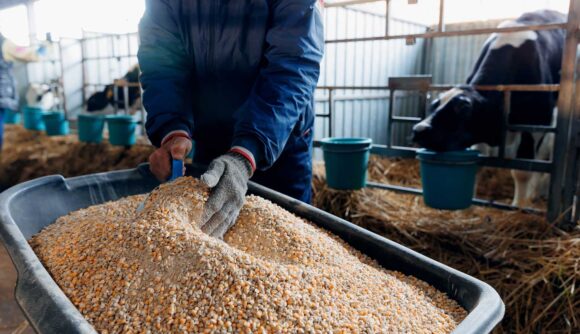
Best Pest Control Methods for Stored Grains
When it comes to safeguarding stored grains, a combination of strategies offers the best defense. Relying on a single method is rarely effective because pests adapt quickly, environmental conditions change, and storage needs vary by grain type. The most recommended pest control methods include integrated pest management, temperature and moisture control, proper sanitation, aeration, and selective use of approved treatments. Integrated pest management, often called IPM, remains the industry standard. It focuses on prevention first, monitoring second, and treatment only as needed. This approach helps storage professionals reduce reliance on chemical treatments and maintain food safety standards. Temperature control is also one of the simplest and most effective methods. Many pests cannot survive in extreme cold, and grain that is properly dried and cooled creates an environment that is hostile to infestations. Aeration fans help maintain consistent grain temperature, reducing the likelihood of hotspots that attract insects. Cleaning storage bins and handling equipment before filling is another essential practice. Even a small amount of old grain or debris can become a breeding ground for pests and could contaminate a new batch. Chemical treatments may be used in certain situations, but they must meet food safety guidelines and be applied properly to avoid contamination. For food-grade grains, minimizing chemical exposure is critical, making natural and mechanical methods especially valuable.
Why Stored Grain Pest Control Matters
Effective stored grain pest control protects more than just product inventory. The long-term financial health of an operation, the integrity of food supply chains, and the safety of end consumers all hinge on proper storage practices. Pests such as weevils, moths, beetles, and grain mites can cause significant quality degradation. They feed on kernels, produce heat and moisture that accelerate spoilage, and leave behind waste that can compromise entire storage units. Even a small infestation can spread rapidly and lead to widespread losses if left untreated. Grain destined for human consumption requires an even higher degree of protection. Contamination from insects, residues, or mold can render specialty grains unusable. Food-grade grain buyers expect consistent quality, and processors rely on predictable moisture levels and clean kernels to ensure efficiency. Regulatory compliance is another important factor. Storage facilities that handle organic or non-GMO grains must follow strict guidelines that limit or prohibit certain chemical treatments. This requires a disciplined approach to non-chemical pest prevention and monitoring. Ultimately, maintaining clean, pest-free grain storage is a matter of preserving quality, protecting health, and ensuring the reliability of the food chain from farm to processing facility.
Preventive Steps for Grain Storage Safety
Prevention is the cornerstone of safe grain storage. While treatment methods can address active infestations, preventive strategies significantly reduce the likelihood of pests entering, breeding, or spreading within storage areas. By implementing proper handling techniques, facility maintenance, and environmental control, grain storage professionals can minimize risks and support long-term quality.
Using Natural Pest Control in Stored Grains
Natural pest control methods are increasingly popular due to demand for cleaner, safer grain handling practices. These approaches avoid synthetic chemicals and can be integrated seamlessly into organic and non-GMO grain programs. One of the most effective natural methods is temperature manipulation. Pests struggle to survive when grain temperatures fall below 50 degrees Fahrenheit. Cooling grain through aeration during colder months is a simple yet powerful form of natural pest control. Another method is maintaining proper dryness. Most pests thrive in warm, humid environments. Keeping grain moisture below recommended thresholds creates a physical barrier to infestation. Diatomaceous earth is also commonly used as a natural treatment. This fine, powder-like substance is made from fossilized algae and is harmless to humans but lethal to insects. While not suitable for every grain type, it can be a valuable tool for certain non-food-contact applications. Some operations also incorporate natural predators. Tiny, beneficial insects can help reduce populations of specific grain pests, though this method is generally more specialized. The key advantage of natural pest control is its compatibility with food safety standards and its minimal environmental impact. These methods support long-term sustainability while effectively preventing outbreaks.
Monitoring Grain Storage for Infestation
Monitoring is a crucial part of any stored grain management program. Early detection can prevent small issues from becoming costly infestations. Regular inspection schedules should be established year-round, regardless of storage duration. One of the most reliable monitoring techniques is grain sampling. Pulling samples from various depths and locations helps assess temperature, moisture, and the presence of insects. This data provides valuable insight into grain conditions and potential risks. Temperature monitoring is equally important. Spikes in temperature typically indicate metabolic activity from insects or mold. Modern digital monitoring systems provide continuous data and alert operators to changes immediately. Visual inspections also contribute to early detection. Look for clumping, webbing, or feed dust that may indicate insect activity. Even unusual odors can be early warning signs of spoilage. Many facilities also use probe traps, pitfall traps, or pheromone traps to monitor specific insect species. These tools help determine whether populations are increasing and guide decisions on whether treatment is necessary. Effective monitoring allows operators to take action quickly, protecting grain quality and reducing the need for more invasive interventions.
Chemical vs Non-Chemical Pest Solutions
Choosing between chemical and non-chemical pest solutions depends on the grain type, storage conditions, regulatory requirements, and customer expectations. For food-grade, non-GMO, or organic grains, non-chemical solutions are often the preferred choice. Non-chemical methods include aeration, cooling, cleaning, proper moisture control, and natural treatments such as diatomaceous earth. These techniques reduce risks and support compliance with strict quality standards. Chemical treatments, however, do have applications in certain commercial environments. Grain protectants, fumigants, and insect growth regulators may be used when infestations are severe or when regulations permit. Fumigation is one of the most powerful chemical solutions, but it must be performed by licensed professionals due to safety risks. It is typically reserved for emergencies and must follow strict withdrawal periods before grain can be used. In all cases, the goal is to balance effective pest control with consumer safety and regulatory compliance. Whether using chemical or non-chemical solutions, proper application, documentation, and monitoring are essential.
Protect Your Stored Grains with a Trusted Supplier
When it comes to ensuring grain quality and safety, choosing a reliable supplier is just as important as proper storage and pest management. Clark Specialty Grains is your premier non-GMO corn and specialty grain supplier in the United States. As a proud family-owned business with more than 18 years of experience, we are dedicated to delivering organic food-grade and non-GMO corn varieties that meet the highest standards of quality and purity. Our diverse selection includes yellow, white, blue, purple, and pink corn varieties, all cultivated with a focus on sustainability and excellence. Whether you are searching for the finest blue corn or any other specialty grain, we provide products that are grown, handled, and delivered with exceptional attention to food safety and storage integrity. Partner with Clark Specialty Grains to ensure that your grain supply remains consistent, clean, and dependable from farm to facility. Explore our premium selection and discover why we are a trusted leader in non-GMO and specialty grains for the food industry.